American Foundation Specialists | The Health Risks of a Wet Basement: Mold & Air Quality

Health Risks of a Wet Basement: Understanding Mold Exposure and Indoor Air Quality Impacts

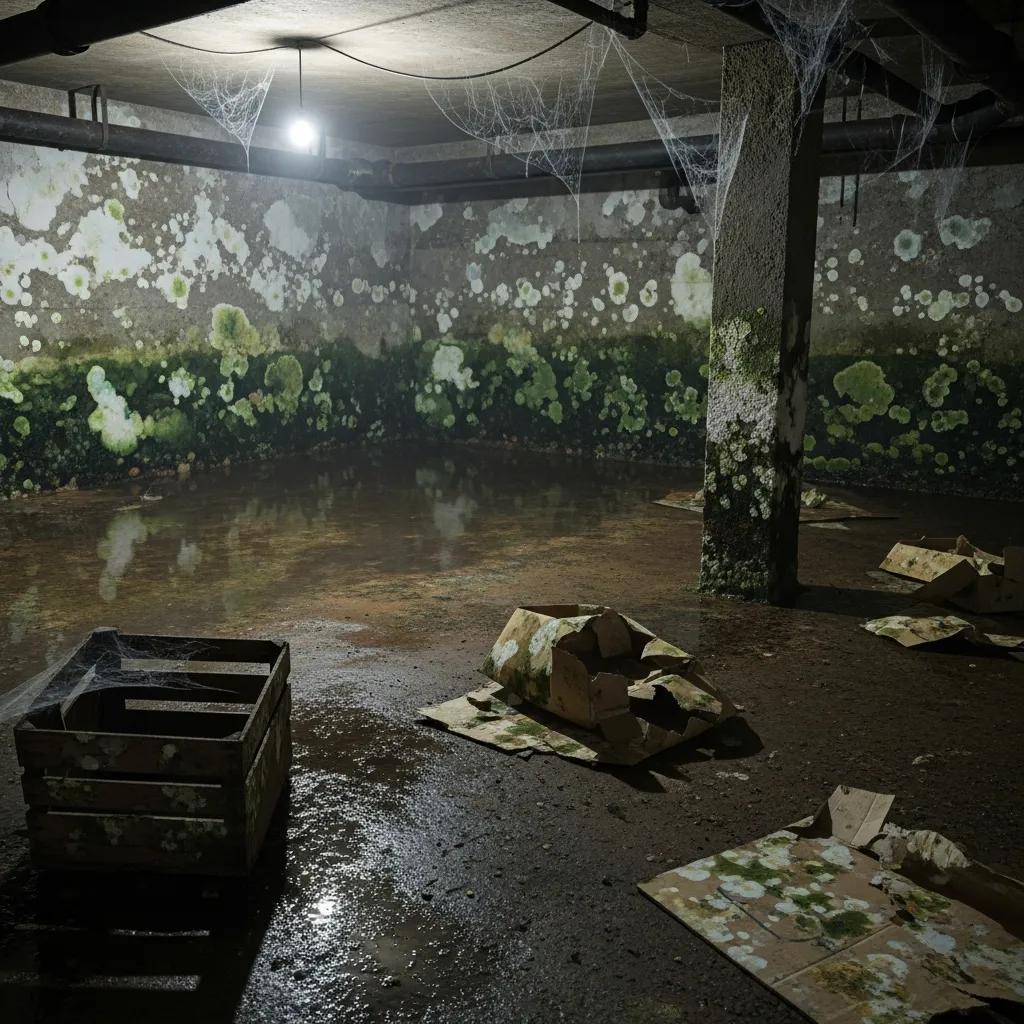
A wet basement poses significant health risks, primarily due to mold exposure and its impact on indoor air quality. Mold thrives in damp environments, releasing spores that can lead to various health issues. This article will explore the health effects of mold exposure, common symptoms, prevention strategies, and remediation options. Understanding these aspects is crucial for homeowners to maintain a safe living environment. By addressing the risks associated with wet basements, individuals can protect their health and improve indoor air quality. We will delve into the health effects of mold, identify symptoms to watch for, discuss effective prevention strategies, and outline remediation options available to homeowners.

Health Effects of Mold Exposure

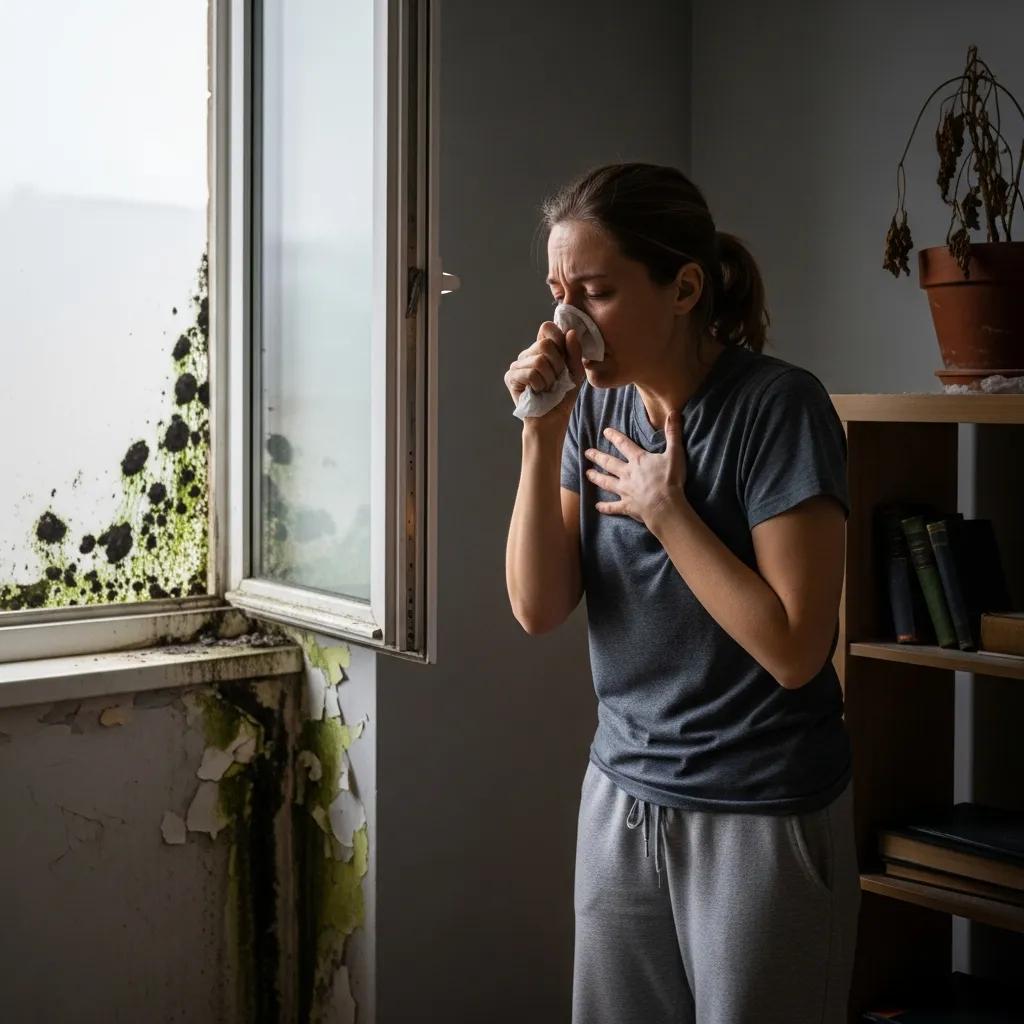
Mold exposure can lead to a range of health effects, particularly for individuals with allergies or respiratory conditions. Mold spores can trigger allergic reactions, respiratory issues, and even serious complications for vulnerable populations, such as children and the elderly. The presence of mold in a wet basement can exacerbate asthma symptoms and lead to chronic respiratory problems. Understanding these health effects is essential for homeowners to recognize the importance of addressing mold growth promptly.

Common Symptoms of Mold Exposure

American Foundation Specialists | The Health Risks of a Wet Basement: Mold & Air Quality

Identifying the symptoms associated with mold exposure is crucial for early intervention. Common symptoms include:

  1. Allergic Reactions: Sneezing, runny nose, and itchy eyes are typical allergic responses to mold spores.
  2. Respiratory Problems: Coughing, wheezing, and difficulty breathing can occur, especially in individuals with pre-existing conditions.
  3. Neurological Symptoms: Some individuals may experience headaches, fatigue, and difficulty concentrating due to mold exposure.

Recognizing these symptoms can help homeowners take action before more severe health issues develop.

Research further highlights the complex neurological and neuropsychiatric symptoms that can arise from mold and mycotoxin exposure.

Mold Exposure: Neurologic & Neuropsychiatric Symptoms

Many of these clinical features can partly mimic or be similar to classic neurologic disorders the signs and symptoms of a syndrome precipitated by mold and mycotoxin exposure

Characterization of mold and moisture indicators in the home, 2004

Prevention Strategies
American Foundation Specialists | The Health Risks of a Wet Basement: Mold & Air Quality

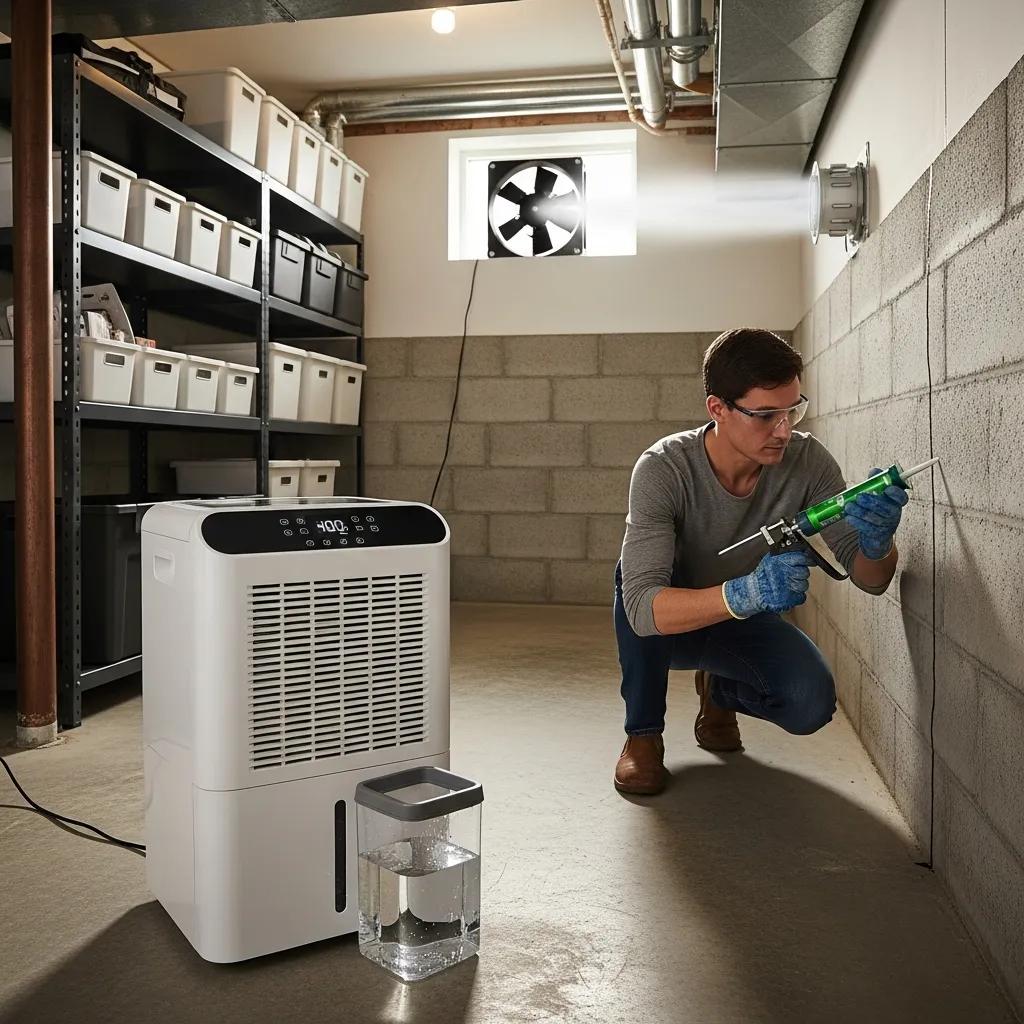
Preventing mold growth in basements is essential for maintaining a healthy home environment. Effective strategies include:

  1. Maintain a Dry Environment: Regularly check for leaks and ensure proper drainage around the foundation to keep the basement dry.
  2. Improve Ventilation: Use dehumidifiers and ensure adequate airflow to reduce humidity levels in the basement.
  3. Seal Cracks: Inspect and seal any cracks in the foundation to prevent water intrusion.

Implementing these strategies can significantly reduce the risk of mold growth and improve indoor air quality. For homeowners seeking professional assistance, American Foundation Specialists offers services that address wet basement issues, ensuring a healthier living space.

Understanding mold prevention strategies and potential health effects, especially after significant water damage, is crucial for protecting public health.

Mold Prevention & Health Effects After Water Damage

Extensive water damage after major hurricanes and floods increases the likelihood of mold contamination in buildings. This report provides information on how to limit exposure to mold and how to identify and prevent mold-related health effects. Evidence is included about assessing exposure, clean-up and prevention, personal protective equipment, health effects, and public health strategies and recommendations.

Mold prevention strategies and possible health effects in the aftermath of hurricanes and major floods, 2006

Remediation Options

When mold is present, remediation is necessary to eliminate health risks. Effective remediation options include:

  1. Identify and Eliminate Moisture Sources: Addressing the root cause of moisture is crucial for successful mold remediation.
  2. Professional Mold Remediation: Hiring experts ensures thorough removal of mold and prevention of future growth.
  3. Use Mold-Resistant Products: Incorporating mold-resistant materials during repairs can help mitigate future risks.

American Foundation Specialists provides inspection and repair services that can assist homeowners in effectively remediating mold issues. Their expertise in foundation repair and basement waterproofing directly addresses the challenges posed by wet basements.

Which Mold Allergy Symptoms Should Homeowners Recognize?

Homeowners should be vigilant about recognizing mold allergy symptoms, which can include sneezing, nasal congestion, and skin rashes. These symptoms often worsen in damp environments, making it essential to address any signs of mold growth promptly.

How Does Mold Exposure Affect Respiratory and Immune Health?

Mold exposure can significantly impact respiratory health, leading to conditions such as asthma and chronic bronchitis. Additionally, it can weaken the immune system, making individuals more susceptible to infections and other health issues.

How Do Wet Basements Contribute to Mold Growth and Indoor Air Quality Deterioration?

Wet basements create an ideal environment for mold growth due to high humidity and moisture levels. This not only deteriorates indoor air quality but also poses serious health risks to occupants. Addressing water intrusion and maintaining a dry environment are critical steps in preventing mold proliferation.

Further studies emphasize that basements, with their inherent moisture and potential for musty odors, are significant sources of microbial contamination and mold growth.

Basement Mold: Odors, Growth, and Contamination Sources

to note mold or musty odors in the basement, mold growth in indoor relative humidity, water sources in the basement were basements may provide a source of microbial contamination

Neurologic and neuropsychiatric syndrome features of mold and mycotoxin exposure, 2009

What Structural Issues Cause Water Intrusion in Basements?

Common structural issues that lead to water intrusion include foundation cracks, poor drainage systems, and inadequate waterproofing. Identifying and repairing these issues is essential for preventing moisture buildup and subsequent mold growth.

How Does Basement Humidity Influence Mold Development and Air Pollutants?

High humidity levels in basements can accelerate mold development and increase the presence of air pollutants. Maintaining optimal humidity levels through ventilation and dehumidification is crucial for ensuring a healthy indoor environment.

What Basement Waterproofing and Foundation Repair Solutions Mitigate Health Risks?

Effective basement waterproofing and foundation repair solutions include installing drainage systems, sealing cracks, and using waterproofing membranes. These measures help prevent water intrusion and reduce the risk of mold growth, thereby protecting the health of occupants.

Which Waterproofing Methods Prevent Water Intrusion Effectively?

Several waterproofing methods can effectively prevent water intrusion, including exterior drainage systems, sump pumps, and interior sealants. Each method has its advantages, and homeowners should consider their specific needs when selecting a solution.

How Does Foundation Repair Reduce Mold-Related Health Hazards?

Foundation repair addresses structural issues that contribute to water intrusion, thereby reducing the likelihood of mold growth. By ensuring a stable and dry foundation, homeowners can significantly mitigate health hazards associated with mold exposure.

When Should Homeowners Request Indoor Air Quality Testing and Professional Inspections?

Homeowners should consider requesting indoor air quality testing and professional inspections if they notice persistent mold symptoms or suspect mold growth. Regular inspections can help identify potential issues before they escalate into significant health risks.

What Are the Indicators for Scheduling a Basement Inspection?

Indicators for scheduling a basement inspection include visible mold growth, musty odors, and increased humidity levels. Addressing these signs promptly can prevent further damage and health complications.

How Does Air Quality Testing Identify Mold and Pollutant Levels?

Air quality testing can identify the presence of mold spores and other pollutants in the indoor environment. This testing is essential for assessing the overall health of the indoor air and determining necessary remediation steps.