
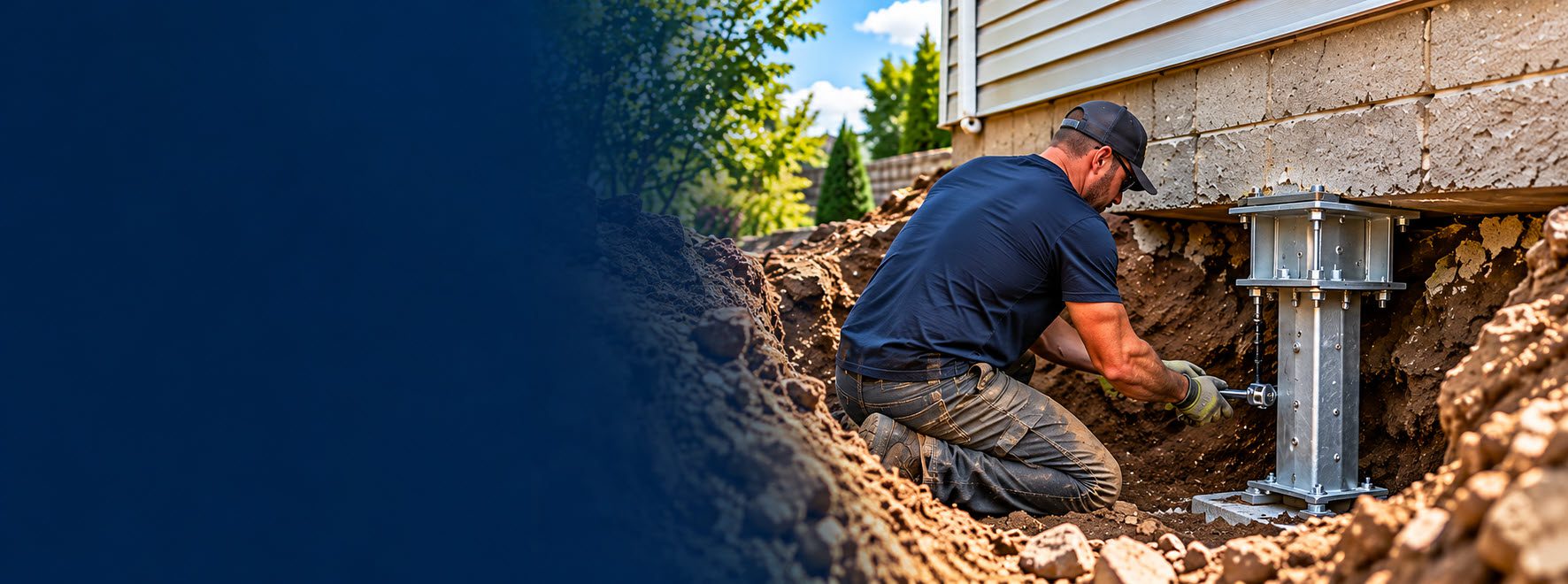
Foundation Repair in Southeastern Wisconsin
Protecting Your Home From Foundation Damage, Settlement & Structural Problems
From cracked foundation walls and bowing basement walls to foundation settlement and structural instability, American Foundation Specialists provides experienced foundation repair solutions for homeowners throughout Southeastern Wisconsin. Since 1947, we've helped homeowners identify foundation problems and make repairs designed to protect their homes.
- Free inspections
- Written estimates
- Family owned for 80 years
- Since 194780 Years of Experience
- Family Owned& Operated
- Warranty BackedUp to 20-Year Warranty
- Licensed & BondedFully Insured
- BBB A+ RatingBetter Business Bureau

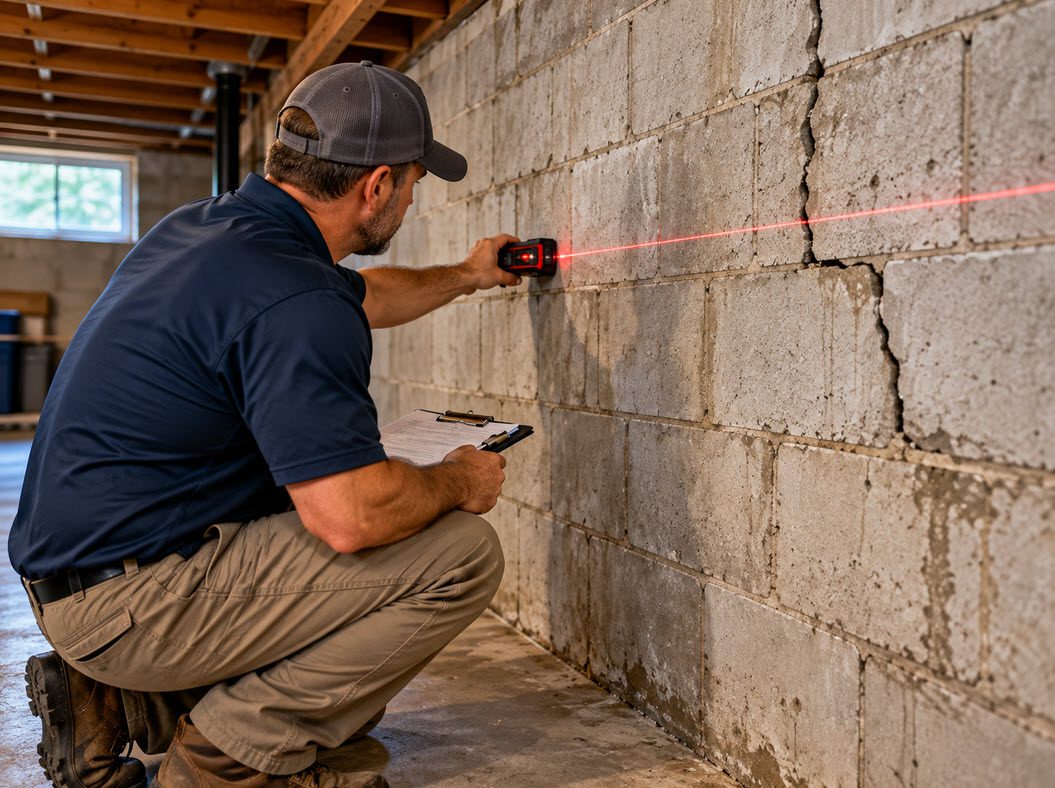
Experienced Foundation Repair Specialists
Foundation Problems Need More Than a Quick Fix
Southeastern Wisconsin is hard on foundations. Heavy clay soil swells when it's wet and shrinks when it's dry, frost pushes against basement walls every winter and many homes in Milwaukee, Waukesha, Racine and Kenosha counties sit on foundations that are 60 to 100 years old. Over time, that shows up as cracked walls, bowing basement walls, settling corners and structural movement.
The fix depends on the cause. A crack from soil pressure needs a different repair than a crack from settlement, and a block wall behaves differently than a poured concrete or older stone foundation. That's why every American Foundation Specialists repair starts with a careful inspection, a plain-English explanation and a written estimate for the repair your home actually needs.
Foundation problems we repair include:
Is Your Foundation Trying to Tell You Something?
Warning Signs of Foundation Problems
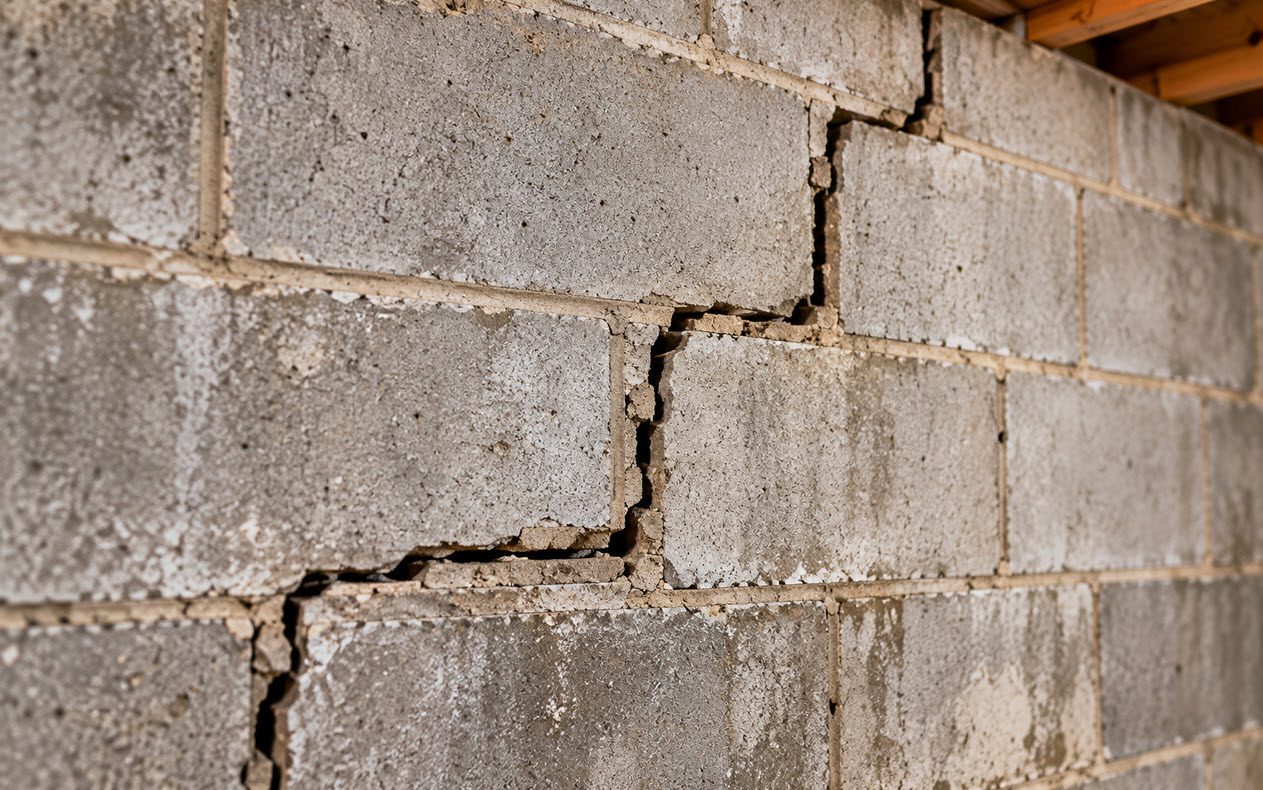 Cracks in Foundation WallsHorizontal, stair-step or widening cracks
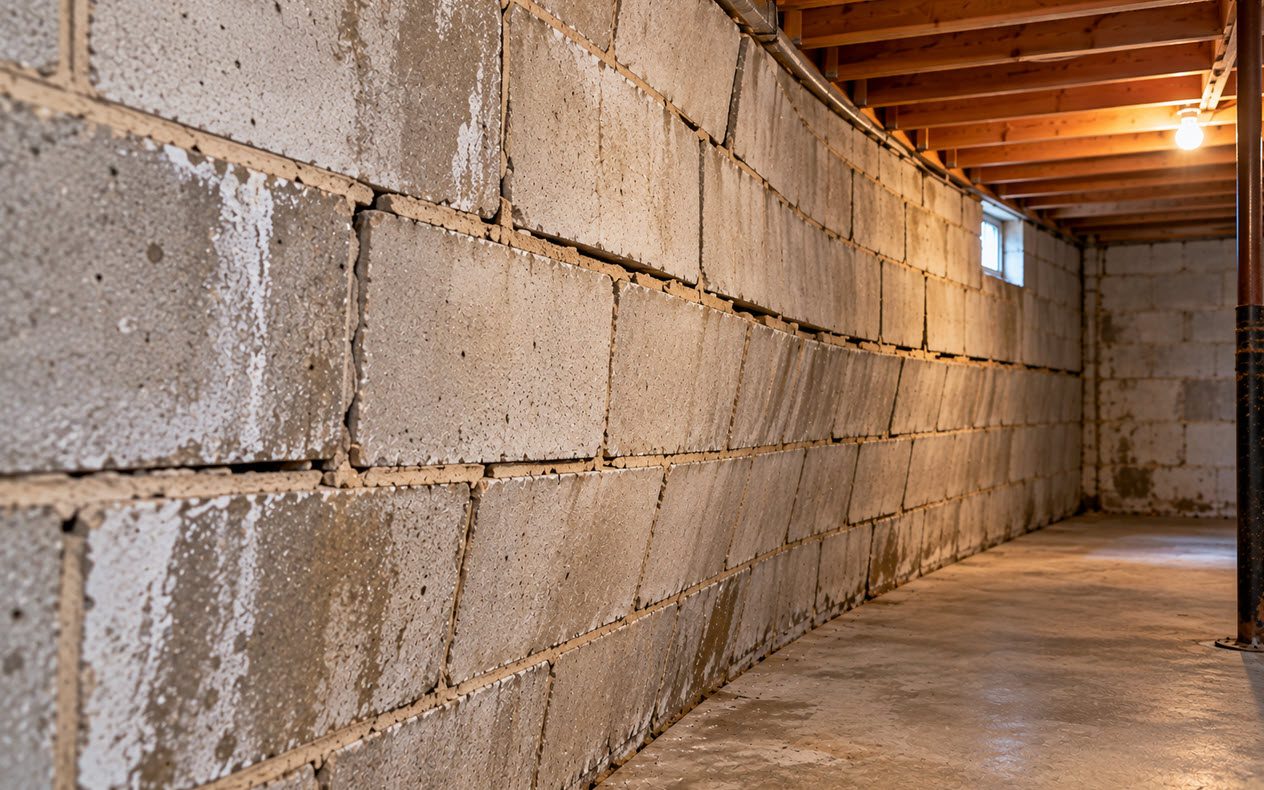 Bowing or Leaning WallsWalls pushing inward or out of plumb
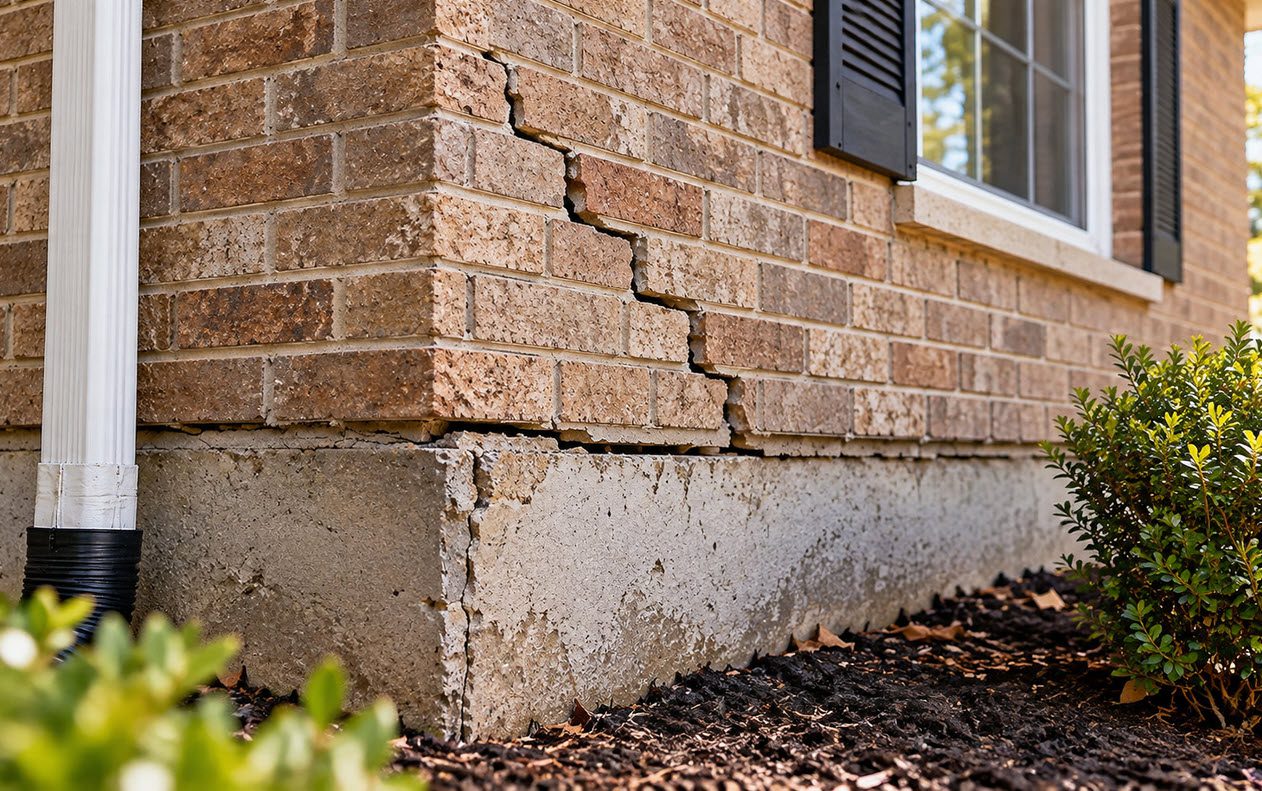 Foundation SettlementGaps and cracks at corners and brick
- Doors and windows that stick
- Floors that slope or feel uneven
- Drywall cracks above doors
- Gaps around exterior brick or siding
Foundation Repair Solutions
Foundation Repair Services for Southeastern Wisconsin Homes
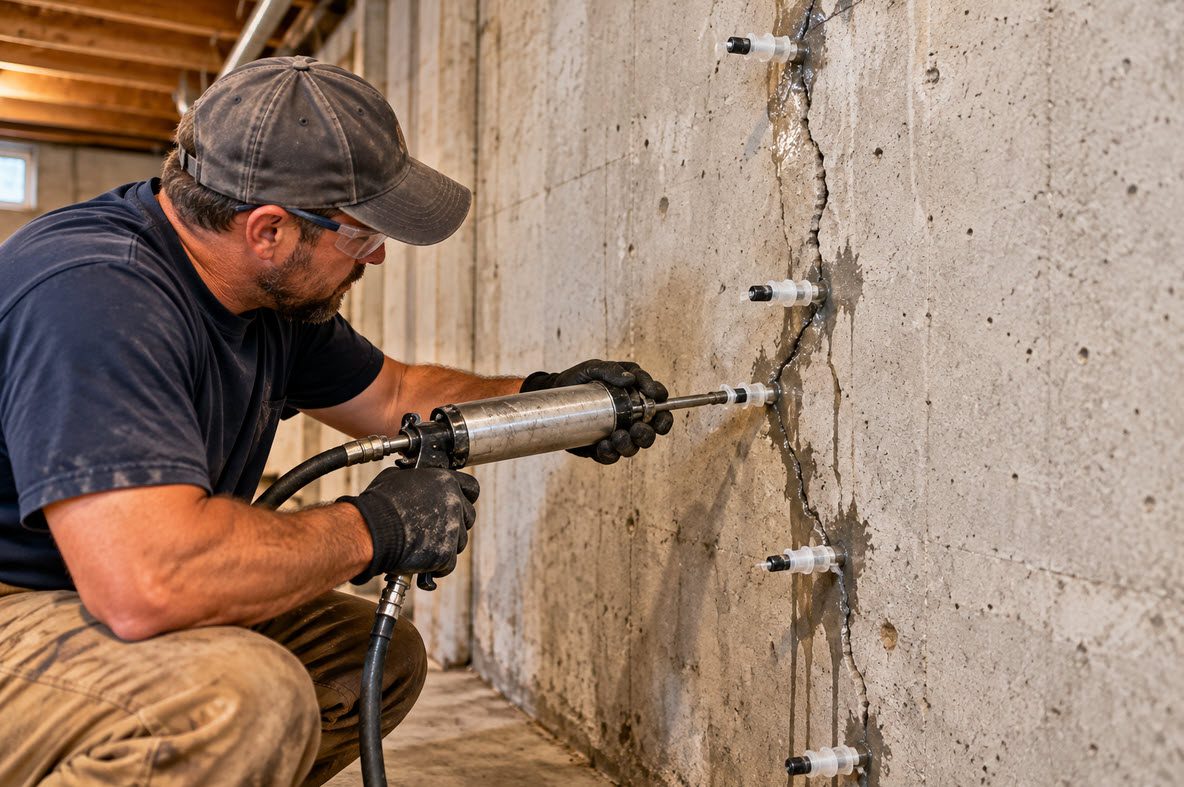
Cracked Foundation Wall Repair
Cracks are the most common foundation problem we see, and the hardest for homeowners to judge on their own. A thin vertical crack in a poured wall is often just the concrete shrinking as it cured. A horizontal crack in a block wall, a stair-step crack near a corner or a crack with one side pushed past the other usually means soil pressure or movement is at work.
We measure each crack, check the wall for movement and look for water. Cracks that only leak are sealed with injection from inside. Cracks that signal a moving wall get the structural repair the wall actually needs.
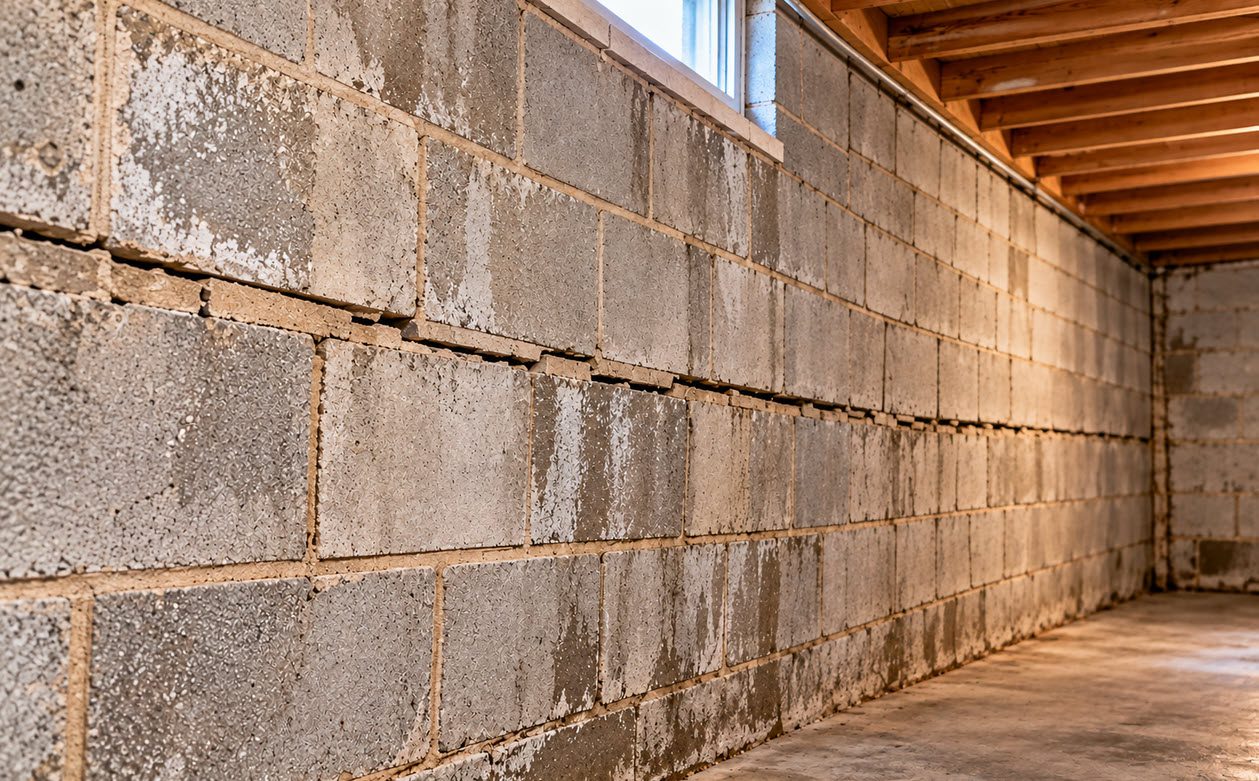
Bowing & Bulging Foundation Walls
When wet clay soil swells and frost pushes against a basement wall year after year, the wall can start moving inward. Concrete block walls are especially prone to it, usually starting with a long horizontal crack partway up the wall.
A bowing wall doesn't fix itself, and it gets more expensive the longer it moves. We measure how far the wall has traveled, then recommend the right approach: steel wall braces for many walls, or excavation and straightening when movement is severe.
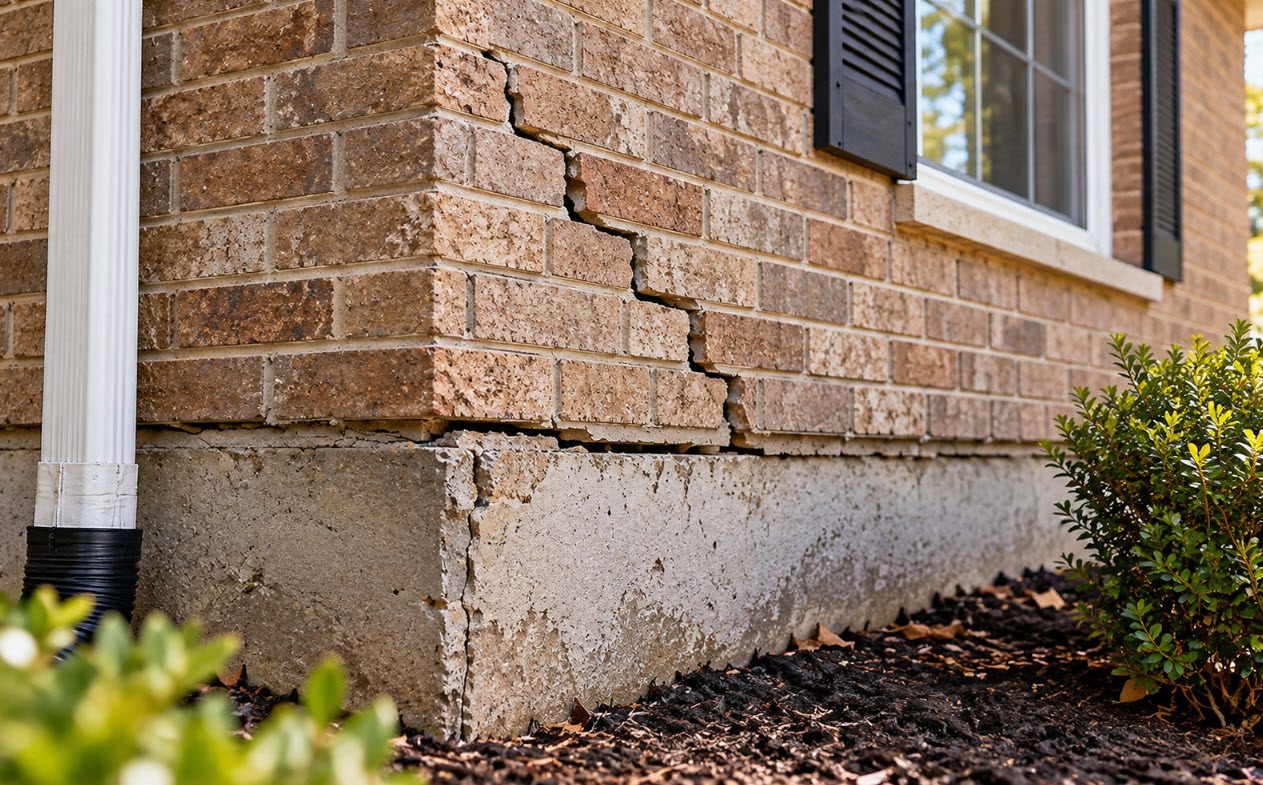
Settling Foundation Repair
When soil under part of a footing compresses, dries out or washes away, that section of the house drops. You'll often see it first above the basement: doors that stick, sloping floors, drywall cracks over doorways and diagonal cracks running up from a foundation corner.
We find out why the soil gave way, whether that's drainage, soft fill or an addition on a separate footing, and recommend a repair that stabilizes the home and corrects the cause so the movement doesn't keep coming back.
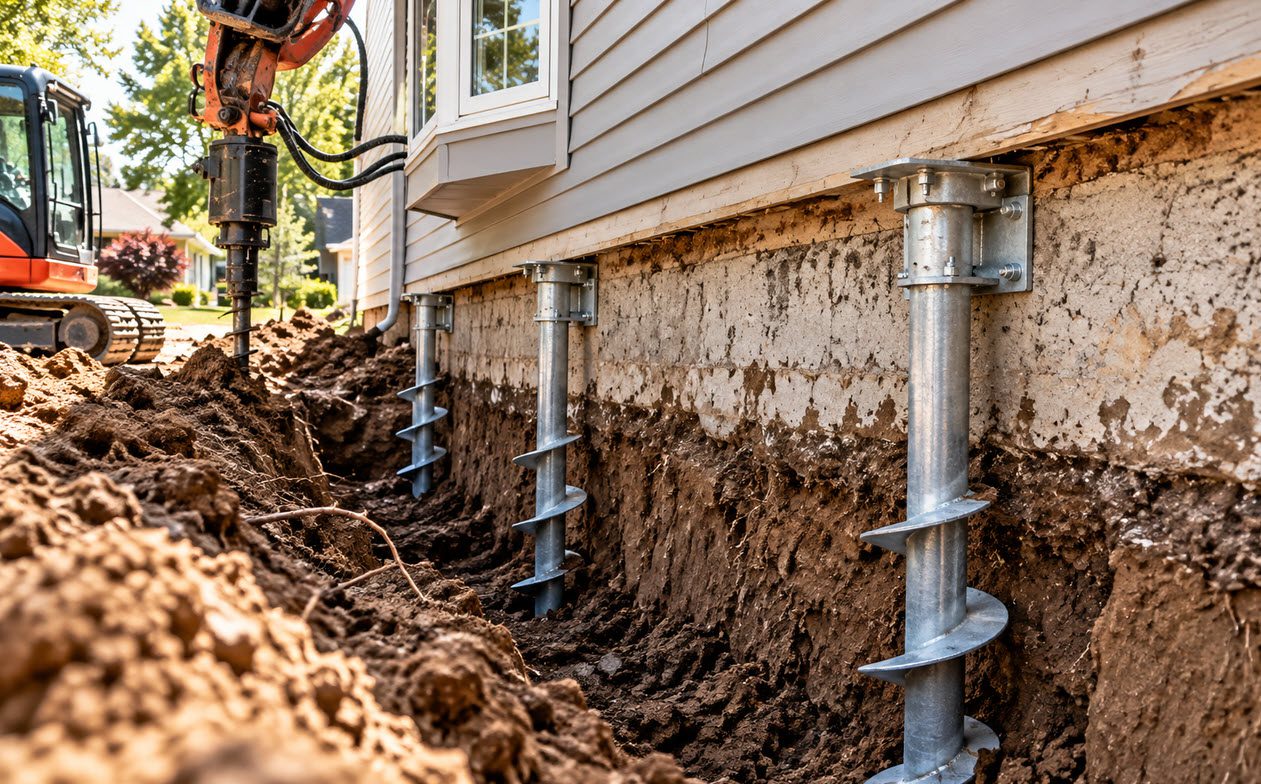
Foundation Stabilization & Helical Piers
Some foundations need support from below. Helical piers are steel shafts with screw-like plates that are turned deep into the ground until they reach soil capable of carrying the load. Brackets then connect them to the footing, transferring the home's weight off the weak soil near the surface.
Piers aren't the answer for every foundation, and we won't recommend them unless the conditions call for it. When they do, they're one of the most dependable ways to stop ongoing settlement.
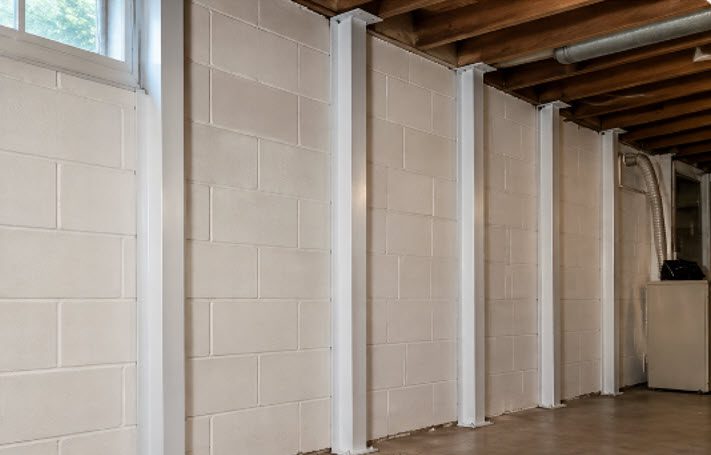
Basement Wall Straightening & Reinforcement
Walls that have already moved need to be held in place, and sometimes pushed back. Steel wall braces anchored to the basement floor and the framing above stop most bowing walls from moving further, and they take up very little room.
When a wall has moved too far to brace, we excavate outside, straighten it back toward plumb, add drainage and then reinforce it. It's a bigger project, but it saves a wall that would otherwise have to be rebuilt.
Why Wisconsin Foundations Develop Problems
Most foundation damage starts with water and soil. That's why foundation repair and basement waterproofing so often go hand in hand.
Our Foundation Repair Process
- 1InspectWe examine your foundation inside and out and measure what's moving.
- 2DiagnoseWe identify the likely cause, not just the symptom you can see.
- 3RecommendYou get a plain-English explanation and a written estimate.
- 4RepairOur crew completes the agreed work and cleans up when it's done.
Foundation Repair Questions
Foundation Repair FAQs
How do I know whether a foundation crack is serious?
Thin vertical cracks that stay dry are usually from concrete shrinkage. Horizontal cracks, stair-step cracks, cracks wider at one end, cracks that keep growing and any crack along a wall that's leaning inward point to pressure or movement and should be inspected.
Can a bowing basement wall be repaired?
Yes. Most bowing walls can be stabilized with steel wall braces installed from inside. Walls that have moved too far can be excavated, straightened and reinforced instead of rebuilt.
What causes foundation walls to move inward?
Pressure from the soil outside. Wisconsin's clay soil swells when it's wet, and frost pushes against walls every winter. Poor drainage makes both worse.
What are the signs of a settling foundation?
Doors and windows that stick, sloping floors, drywall cracks above doorways, diagonal cracks running up from foundation corners and gaps opening around exterior brick or siding.
Do small cracks always need repair?
No. Many small shrinkage cracks are cosmetic. Repair makes sense when a crack leaks, grows or is part of a pattern that shows the wall is moving.
What are helical piers used for?
Helical piers support a settling foundation by transferring its weight to stronger soil deeper in the ground. They're used when the soil near the surface can't reliably carry the load.
Can basement walls be straightened without replacing them?
Often, yes. Walls that have moved can usually be excavated, pushed back toward plumb and reinforced, which costs far less than rebuilding.
Does homeowner's insurance cover foundation repair?
Coverage varies by policy, and many policies exclude damage from settling or soil movement. Check with your insurance agent about your specific policy.
How long does foundation repair take?
Many wall bracing jobs take a day or two. Excavation and straightening or pier installation usually takes several days. You'll get a timeline with your written estimate.
Will foundation damage get worse if I wait?
Moving walls and active settlement usually keep moving, and repairs tend to become larger and more expensive over time. An inspection tells you whether yours needs attention now.
Thousands of Wisconsin Homeowners Have Trusted Their Foundations to American Foundation Specialists.
“Jayme and Scott came out on an urgent call today. Although there was no foundation issue, they correctly diagnosed a plumbing issue… I highly recommend their professional and friendly service.”
“The team at American Foundation did a great job installing steel beams to brace one of our basement walls… The work looks great and they did good cleaning up afterwards.”
“We worked with Lyle. He was great to work with, explained everything that needed to be done… Fair price and excellent work.”
Where We Work
Foundation Repair Throughout Southeastern Wisconsin
 Milwaukee County
 Waukesha County
 Racine County
 Kenosha County
Don't Wait for a Small Problem to Become a Bigger One.
Let's Find Out What's Happening With Your Foundation.
Tell us what you're seeing. We'll inspect the problem, explain what's causing it and help you understand your repair options.
American Foundation Specialists — Protecting Wisconsin Homes for 80 Years.