
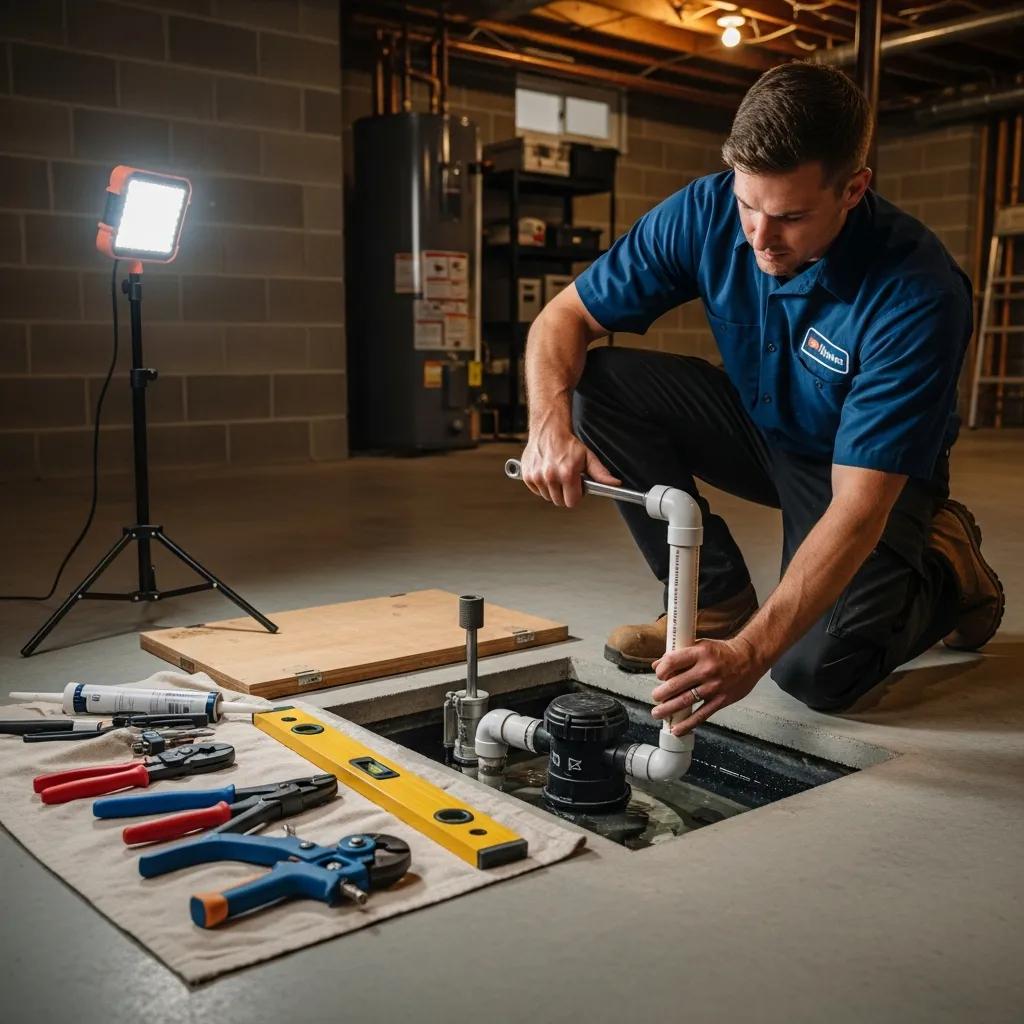
Significance of Sump Pump Services
Installation Techniques
Key Factors to Consider When Selecting a Sump Pump
- Capacity and Horsepower: Ensure the pump can handle the volume of water expected in your area.
- Durability: Choose a pump that can withstand harsh conditions, especially in colder climates.
- Automatic Features: Look for pumps with automatic float switches for hands-free operation.
What Are the Key Signs Indicating the Need for Sump Pump Installation or Replacement?
- Frequent Basement Flooding: If water regularly accumulates in your basement, it may be time to install a sump pump.
- Constant Running of the Pump: A sump pump that runs continuously may indicate inefficiency or an inability to handle the water load.
- Failure to Start When Needed: If the pump does not activate during heavy rainfall, it may need replacement.
How to Identify Basement Water Intrusion and Foundation Risks
- Damp Walls or Floors: Signs of moisture can indicate potential water intrusion issues.
- Visible Cracks: Cracks in walls or floors may signal structural problems exacerbated by water damage.
- Pooling Water: Any standing water around the foundation is a clear sign of leaks that need immediate attention.
What Are Common Indicators of Sump Pump Failure or Inefficiency?
- Strange Noises During Operation: Unusual sounds may indicate mechanical issues within the pump.
- Constant Running Without Effectiveness: If the pump runs continuously but does not remove water, it may be failing.
- Water Not Being Discharged: A pump that fails to discharge water can lead to flooding and damage.
Indicators of Sump Pump Failure and Replacement Needs
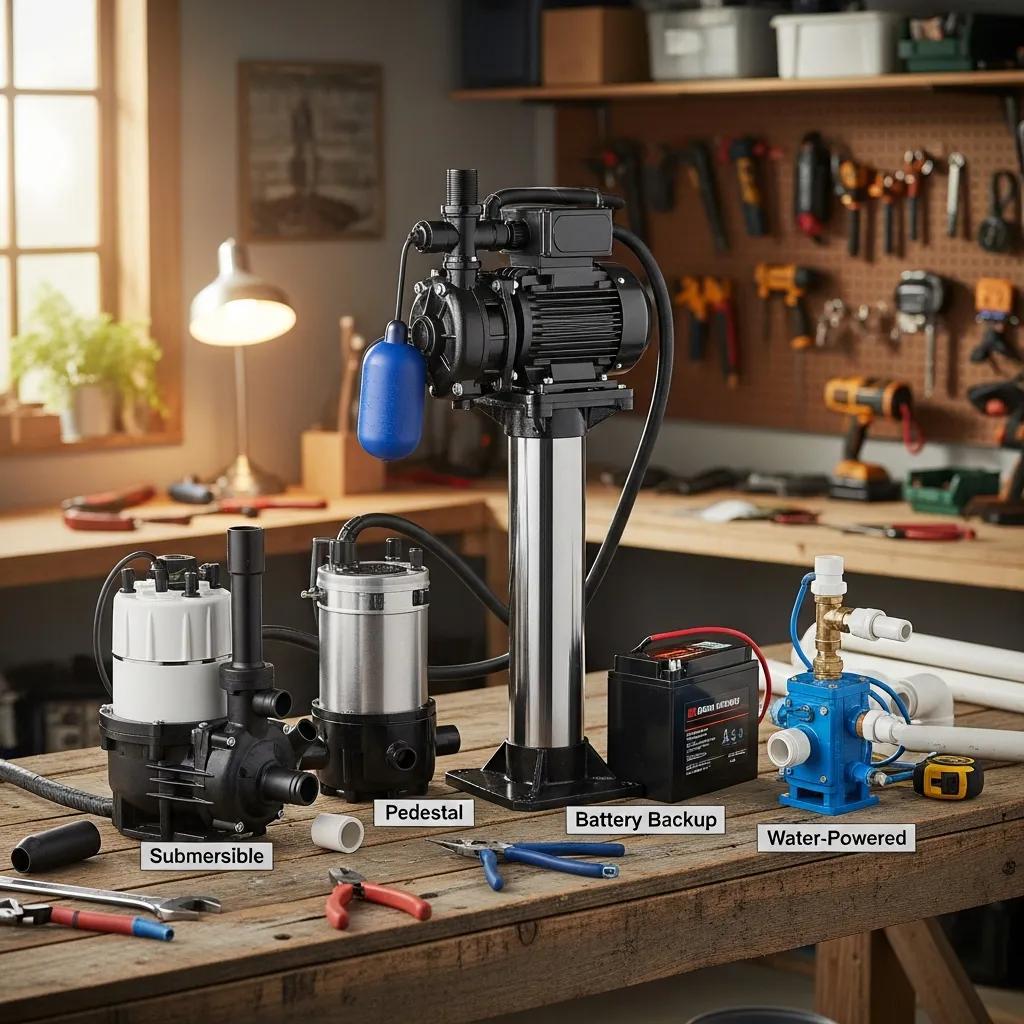
- Submersible Sump Pumps: These are efficient and can handle large volumes of water, making them ideal for areas prone to flooding.
- Pedestal Sump Pumps: Easier to service, these pumps are suitable for smaller basements and less severe flooding conditions.
- Water-Powered Sump Pumps: These provide backup options during power outages, ensuring continued operation.
What Are the Benefits of Battery Backup and Traditional Sump Pump Systems?
- Battery Backup Systems: Ensure operation during power outages, providing peace of mind during storms.
- Traditional Sump Pumps: Reliable for regular use, these systems are effective in managing water levels under normal conditions.
- Dual Systems: Combining both options provides extra protection, ensuring that homeowners are covered in any situation.
How to Choose the Best Sump Pump Brands for Long-Term Foundation Protection?
- Durability and Efficiency: Look for brands known for their reliable performance and longevity.
- Energy Efficiency Ratings: Choose pumps that consume less energy while providing effective water management.
- Warranty and Maintenance Options: Brands that offer comprehensive warranties and maintenance plans can provide added security.
What Is the Professional Process for Sump Pump Installation and Emergency Replacement?
- Assessment of the Site: A thorough evaluation of the property to determine the best installation location.
- Proper Installation Techniques: Following industry standards to ensure the pump operates efficiently.
- Emergency Replacements: Quick action is essential during emergencies to prevent water damage.
How Should Homeowners Maintain and Troubleshoot Their Sump Pump Systems?
- Conduct Monthly Inspections: Check for any signs of wear or malfunction.
- Schedule Annual Servicing: Professional servicing can identify potential issues before they become significant problems.
- Know the Signs of Malfunction: Being aware of common issues can help homeowners address problems promptly.
What Are Essential Sump Pump Maintenance Tips to Ensure Optimal Performance?
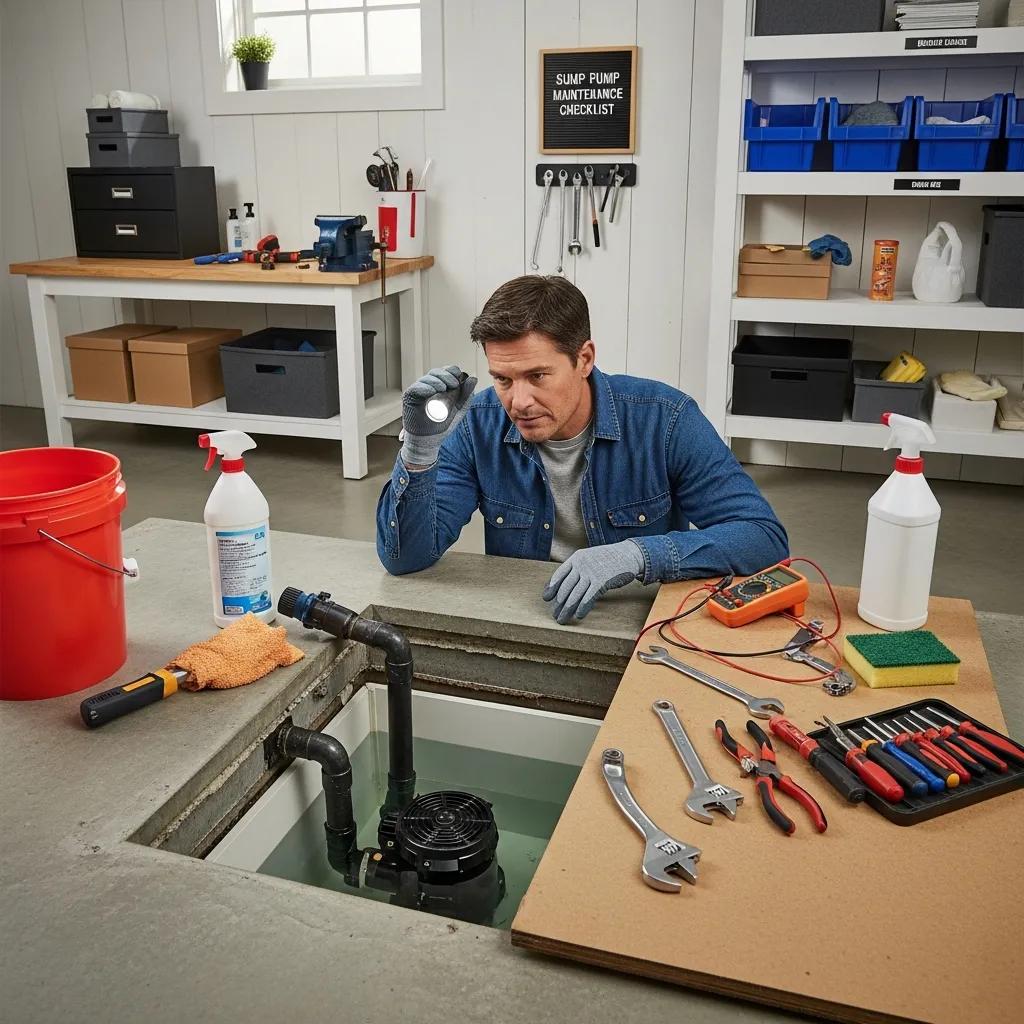
- Regular Cleaning: Prevent clogs by cleaning the sump pit and pump regularly.
- Monitor for Signs of Failure: Keep an eye out for unusual noises or operational issues.
- Test Backup Systems Regularly: Ensure that battery backup systems are functioning correctly.
How to Recognize and Address Common Sump Pump Malfunctions
- Check Power Supply and Float Switch: Ensure that the pump is receiving power and that the float switch is functioning correctly.
- Inspect Discharge Pipe for Clogs: Regularly check the discharge pipe to prevent blockages that can hinder performance.
- Look for Signs of Wear and Tear: Regular inspections can help identify components that may need replacement.