Understanding Foundation Settling in Milwaukee Homes
Foundation settling is a common issue for homeowners in Milwaukee, often caused by the region's soil conditions and freeze-thaw cycles. As the soil beneath your foundation expands and contracts with moisture and temperature changes, it can lead to gradual sinking or uneven settling of your home's base. This process can manifest in various ways, from minor cosmetic issues to significant structural compromises, making early detection and understanding crucial for maintaining your home's integrity.
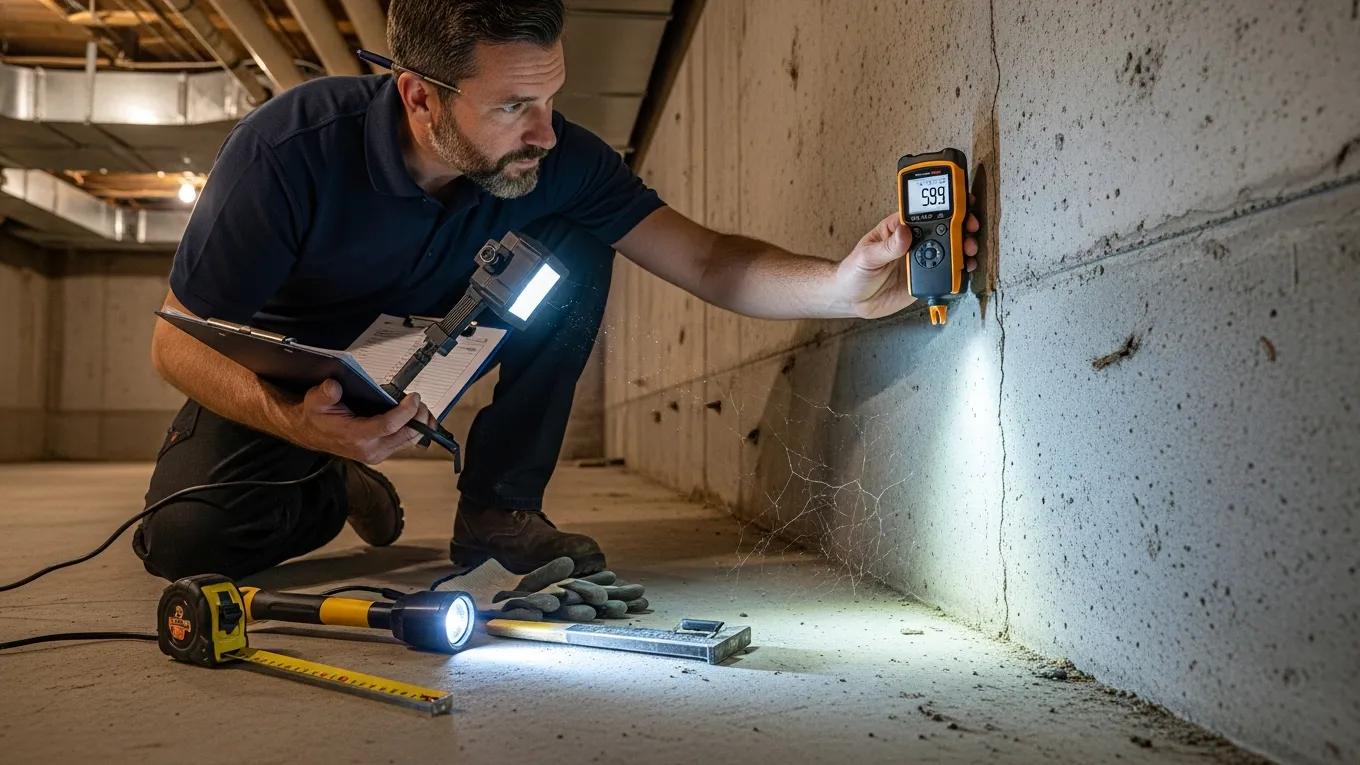
Signs of foundation settling can include diagonal cracks in drywall, particularly around doors and windows, as well as doors and windows that begin to stick or become difficult to open and close. You might also notice sloping floors, cracks in the foundation walls themselves, or even chimneys that appear to be leaning. Recognizing these subtle yet critical indicators is the first step toward addressing potential problems before they escalate into more costly and complex repairs.
The Role of Soil Conditions in Milwaukee Foundation Problems
Milwaukee's unique geological makeup, characterized by clay-rich soils, significantly impacts foundation stability. Clay soils have a high capacity to absorb water, causing them to expand. Conversely, when these soils dry out, they shrink, creating voids beneath the foundation. This constant cycle of expansion and contraction puts immense pressure on your home's foundation, making it susceptible to settling, cracking, and other structural damages over time.
Understanding the interplay between soil moisture and foundation integrity is vital for homeowners. Factors like heavy rainfall, poor drainage around the home, and even prolonged droughts can exacerbate soil movement. Professional foundation repair specialists in Milwaukee are adept at analyzing these soil conditions and implementing solutions, such as drainage improvements or underpinning techniques, to counteract the effects of soil-related foundation issues and ensure long-term stability.
Choosing the Right Foundation Repair Contractor in Milwaukee
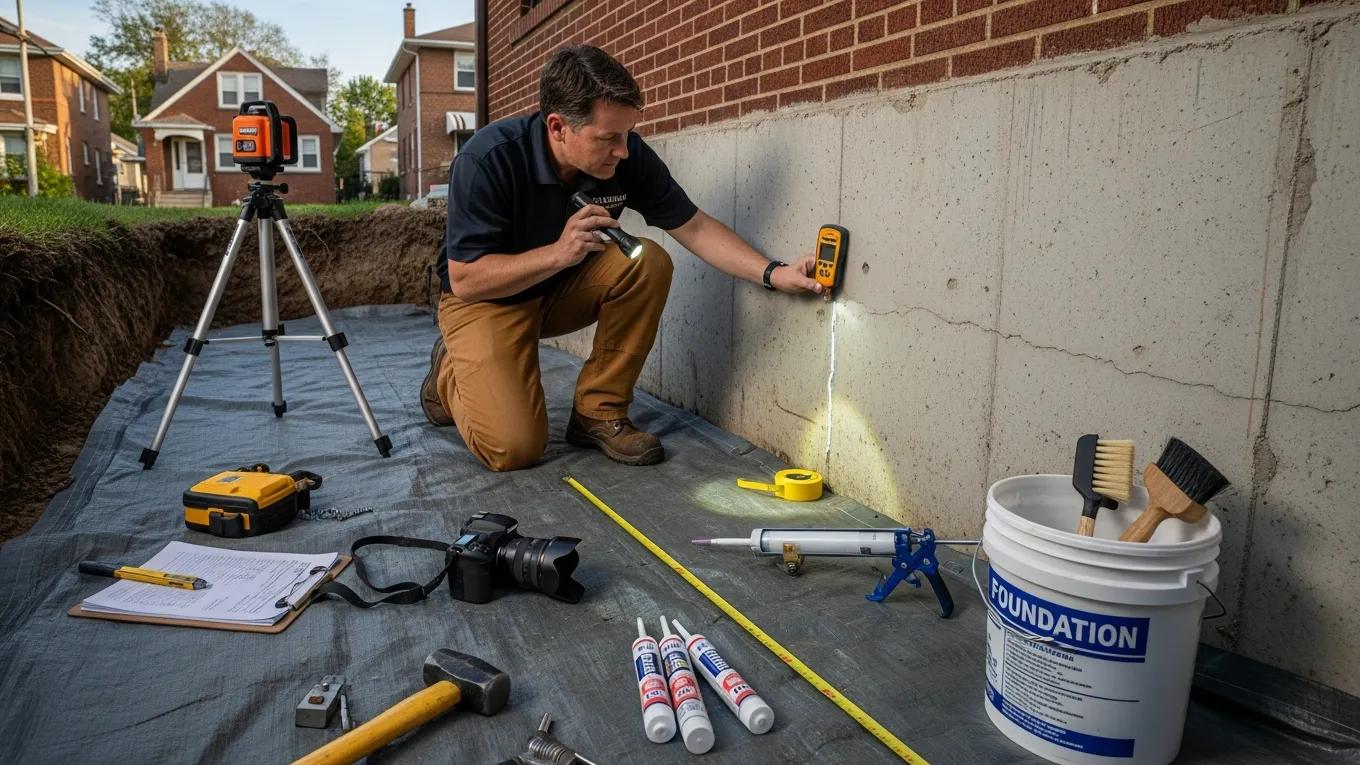
Selecting a reputable foundation repair contractor in Milwaukee is paramount to ensuring that your home receives the best possible care. Look for companies with a proven track record, extensive experience in dealing with local soil conditions, and a commitment to transparent communication. A good contractor will offer a thorough inspection, clearly explain the identified issues, and provide a detailed, itemized estimate for the proposed repairs, outlining the methods and materials they intend to use.
When vetting potential contractors, consider their certifications, insurance coverage, and customer reviews. Ask for references and check their standing with local consumer protection agencies. American Foundation Specialists, for instance, emphasizes a customer-centric approach, offering expert assessments and tailored solutions. Prioritizing a contractor who prioritizes your home's safety and your peace of mind will lead to a more successful and less stressful repair process.
Preventative Measures for Long-Term Foundation Health
While foundation repairs are often necessary to address existing issues, implementing preventative measures can significantly extend the life of your foundation and mitigate future problems. Proper landscaping and grading are crucial; ensuring that the ground slopes away from your home's foundation helps direct rainwater and melting snow away, preventing excess moisture from saturating the soil and causing expansion or erosion.
Regular maintenance, such as cleaning gutters and downspouts to ensure they are free of debris and directing water away from the foundation, is also essential. Inspecting your foundation periodically for any new cracks or signs of moisture intrusion allows for early detection of potential issues. For homeowners in Milwaukee, understanding the impact of seasonal changes on soil moisture and taking proactive steps can save considerable expense and effort in the long run, safeguarding your home's structural integrity.