
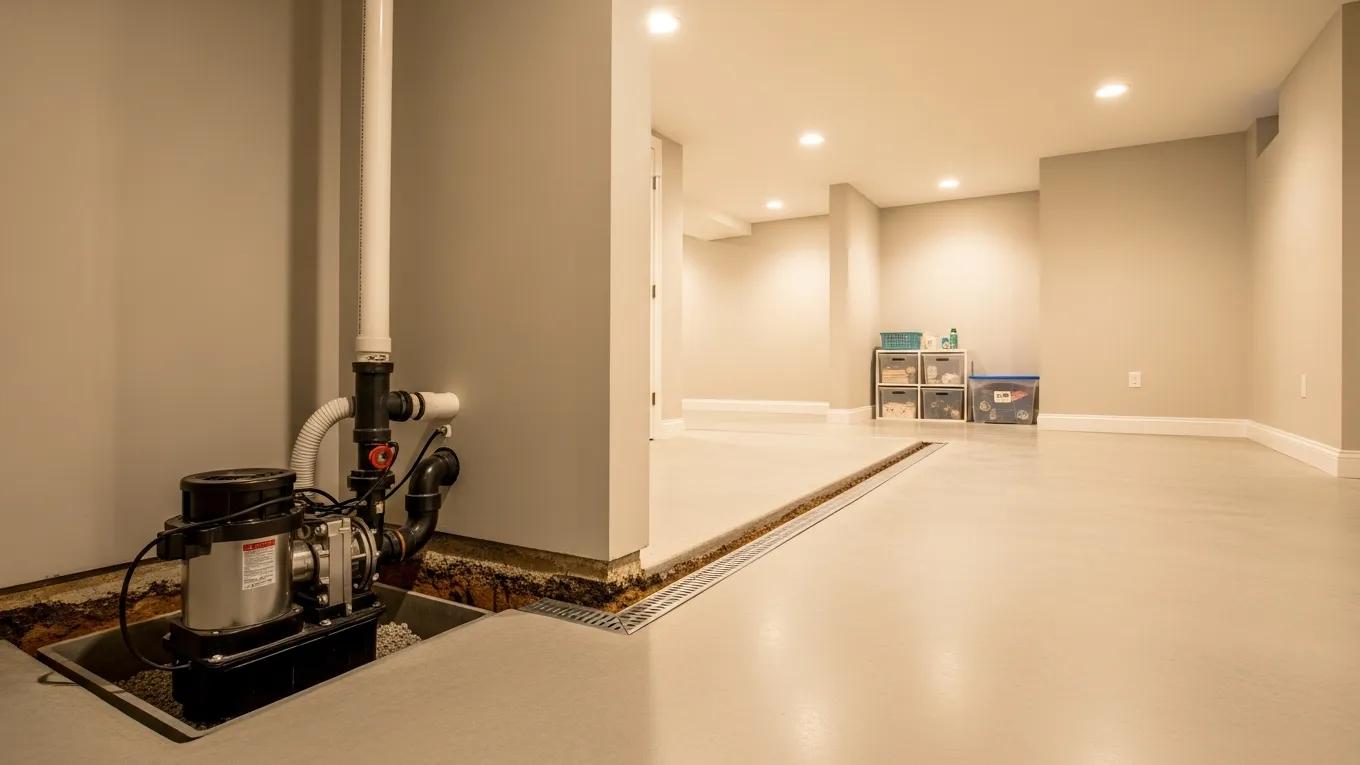
Techniques
- Interior Drainage Systems: These systems collect water that seeps into the basement and direct it to a "sump pump" for removal.
- Exterior Waterproofing: This involves applying a waterproof membrane to the outside of the foundation walls to prevent water from entering.
- Sump Pump Installation: A sump pump is essential for removing water that accumulates in the sump basin, especially during heavy rains or snowmelt.
Professional Basement Waterproofing Techniques and Methods
- Waterproof Membranes: These are applied to the exterior of the foundation to create a barrier against moisture.
- Drain Tiles: Installed around the foundation, drain tiles help redirect water away from the basement.
- Sealants and Epoxy: These materials are used to fill cracks and gaps in the foundation, preventing water from seeping through.
Best Practices
- Regular Inspections: Conduct routine checks for cracks and signs of moisture in the basement.
- Routine Maintenance: Ensure that gutters and downspouts are clear and functioning properly to direct water away from the foundation.
- Use of Dehumidifiers: Installing a dehumidifier can help control humidity levels and prevent mold growth.
What Are the Common Causes of Basement Water Leakage in Wisconsin?
- Wisconsin's Climate: The state experiences heavy rainfall and significant snowmelt, which can overwhelm drainage systems.
- Soil Conditions: Clay-rich soils retain water, increasing the likelihood of water seeping into basements.
- Construction Issues: Poorly constructed foundations or inadequate drainage systems can lead to water intrusion.
How Do Wisconsin Soil and Climate Conditions Affect Basement Moisture?
Exterior Basement Waterproofing for Clay Soils & Freeze-Thaw Climates
In a state where clay soils, elevated water tables, and over 80 annual freeze-thaw transitions converge on a single foundation, exterior basement waterproofing in Michigan represents the most technically defensible long-term investment a property owner can make.
Exterior Basement Waterproofing: The 2026 Definitive Solution Written by, 2026
Which Foundation Cracks Lead to Water Intrusion?
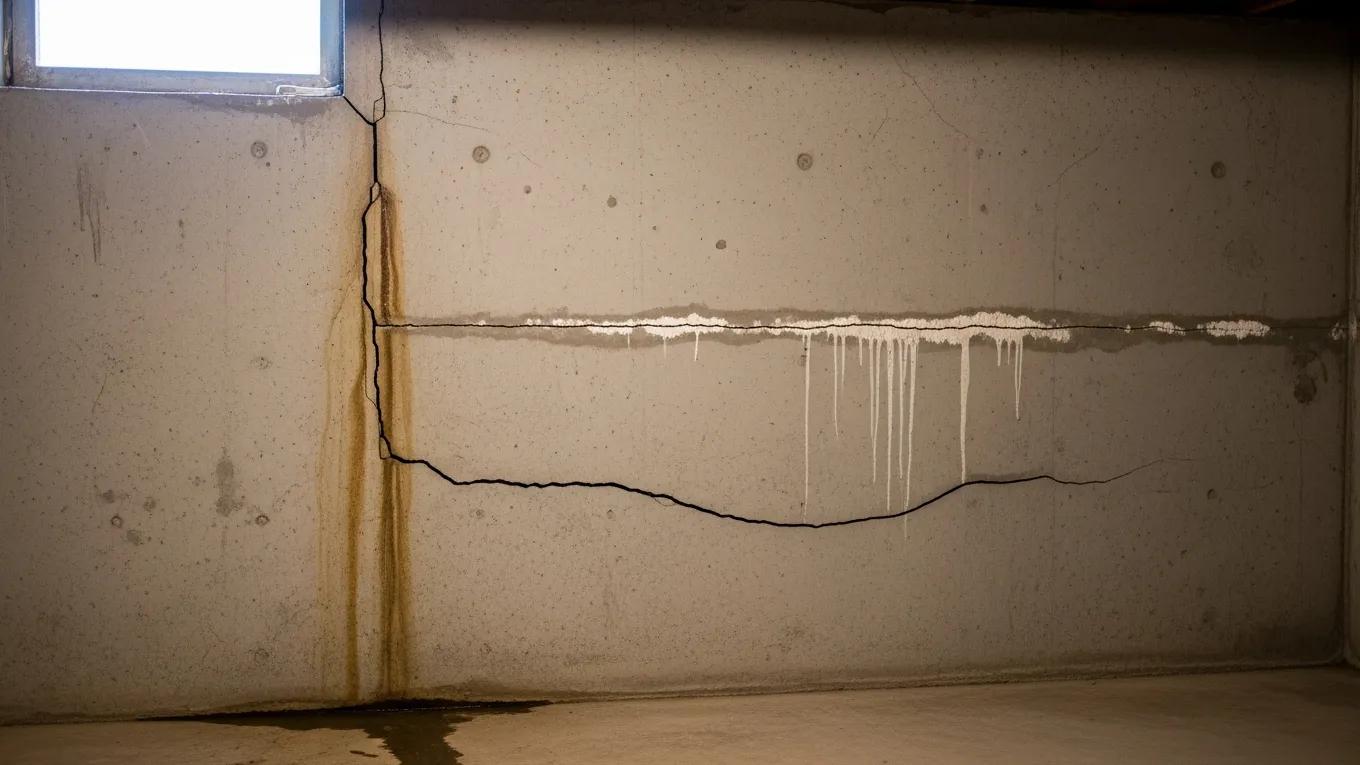
- Vertical Cracks: Often caused by settling, these cracks can allow water to seep through if not properly sealed.
- Horizontal Cracks: These are more serious and can indicate structural issues, allowing significant water entry.
- Bowed Walls: Walls that bow inward can create gaps that permit water to enter the basement.
What Are Effective Foundation Repair Solutions to Prevent Water Damage?
- Crack Repair: Filling and sealing cracks with appropriate materials can prevent water from entering.
- Underpinning: This method strengthens the foundation by extending it deeper into stable soil.
- Sump Pump Installation: Installing a sump pump can effectively remove water that accumulates in the basement.
How Are Foundation Cracks Identified and Repaired?
- Visible Cracks: Any cracks larger than a hairline should be examined further.
- Water Stains: Stains on walls or floors can indicate past water intrusion.
- Bowed Walls: Walls that appear to be bowing inward require immediate attention.
What Are the Costs and Benefits of Foundation Repair in Wisconsin?
- Cost Savings: Preventing water damage can save homeowners from expensive repairs down the line.
- Increased Property Value: A well-maintained foundation enhances the overall value of the home.
- Improved Safety: Addressing foundation issues reduces the risk of structural failure and associated hazards.
How Do Interior Drainage Systems and Sump Pumps Protect Basements?
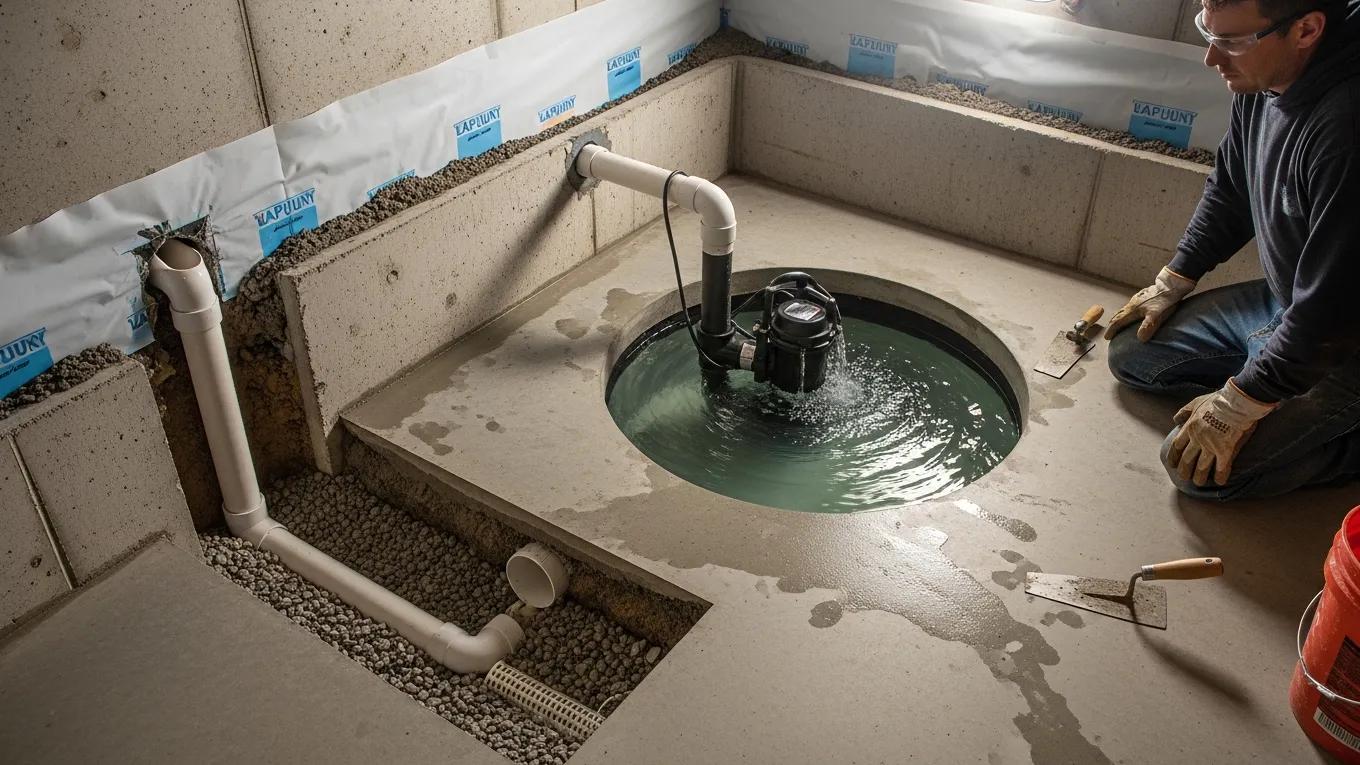
- Water Removal: Interior drainage systems collect water that seeps into the basement and direct it to the sump pump.
- First Line of Defense: Sump pumps act as the first line of defense against flooding by removing accumulated water.
- Installation Processes: Proper installation of these systems ensures they function effectively during heavy rains or snowmelt.
What Is the Role of Sump Pump Installation in Wisconsin Basements?
- Remove Water: It efficiently pumps out water that accumulates in the sump basin, preventing flooding.
- Prevent Flooding: By keeping the basement dry, sump pumps help to avoid the costly damage associated with water intrusion.
- Enhance Energy Efficiency: Modern sump pumps are designed to operate efficiently, reducing energy costs while providing reliable protection.
How Do Interior Drainage Systems Work to Control Basement Water?
- Drainage Pipes: Installed around the perimeter of the basement, these pipes collect water and direct it to a sump pump.
- Gravel or Rock Beds: These materials help filter water and prevent clogging of the drainage system.
- Sump Basin: The collected water is funneled into a sump basin, where it is pumped out of the basement.
What Are Best Practices for Mold Prevention and Moisture Control?
- Humidity Control: Keep humidity levels below 60% to inhibit mold growth.
- Waterproofing Solutions: Implement effective waterproofing measures to prevent moisture intrusion.
- Regular Maintenance: Conduct routine inspections and maintenance of drainage systems and sump pumps.
How Can Moisture Control Reduce Mold Growth in Basements?
- Using Dehumidifiers: These devices help maintain optimal humidity levels.
- Sealing Cracks: Properly sealing foundation cracks prevents moisture from entering.
- Regular Inspections: Routine checks can identify potential moisture issues before they escalate.
What Inspection and Repair Processes Ensure Long-Term Waterproofing?
- Regular Inspections: Schedule annual inspections to identify any signs of water intrusion or foundation issues.
- Identifying Issues: Look for cracks, water stains, and signs of mold during inspections.
- Repairing Cracks: Promptly address any identified cracks or issues to prevent further damage.