American Foundation Specialists | Compare Foundation Repair Techniques: Pier and Beam vs Slab

Compare Foundation Repair Techniques: Comprehensive Guide for Wisconsin Homeowners

Foundation issues can be a significant concern for homeowners, especially in regions like Wisconsin where soil conditions and weather can impact structural integrity. Understanding the various foundation repair techniques available is crucial for making informed decisions about maintaining your home. This comprehensive guide will explore common foundation problems, the best repair methods, and factors to consider when choosing a solution. By the end of this article, you will have a clearer understanding of how to address foundation issues effectively and the options available to you.

In this guide, we will cover the most common foundation problems in Wisconsin, compare different repair methods, and discuss the factors influencing your choices. We will also highlight the expertise of American Foundation Specialists, a trusted name in foundation repair since 1947, serving Southeastern Wisconsin.

What Are the Most Common Foundation Problems in Wisconsin?

Foundation problems can manifest in various ways, often due to the unique soil and climate conditions in Wisconsin. Homeowners may encounter issues such as cracked or bulging foundations, settling basements, and leaky basements. Understanding these problems is the first step in addressing them effectively.

How Do Soil Conditions Affect Foundation Stability?

Soil conditions play a critical role in foundation stability. In Wisconsin, the presence of clay soils can lead to significant expansion and contraction with moisture changes, causing stress on foundations. Additionally, poorly drained soils can exacerbate these issues, leading to settling or shifting foundations. Homeowners should be aware of their soil type and its impact on their foundation’s integrity.

What Signs Indicate Cracked, Settling, or Bowing Foundations?

Identifying the signs of foundation problems early can save homeowners from costly repairs. Common indicators include:

  • Cracks in walls or floors: Vertical or horizontal cracks can signal foundation movement.
  • Bowing walls: Walls that appear to be leaning or bulging may indicate pressure from surrounding soil.
  • Doors and windows that stick: Difficulty opening or closing doors and windows can be a sign of foundation settling.

Recognizing these signs early can help homeowners take timely action to prevent further damage.

Which Foundation Repair Methods Are Best for Wisconsin Homes?
American Foundation Specialists | Compare Foundation Repair Techniques: Pier and Beam vs Slab

When it comes to repairing foundation issues, several methods are available, each with its advantages and disadvantages. Understanding these methods can help homeowners make informed decisions based on their specific needs.

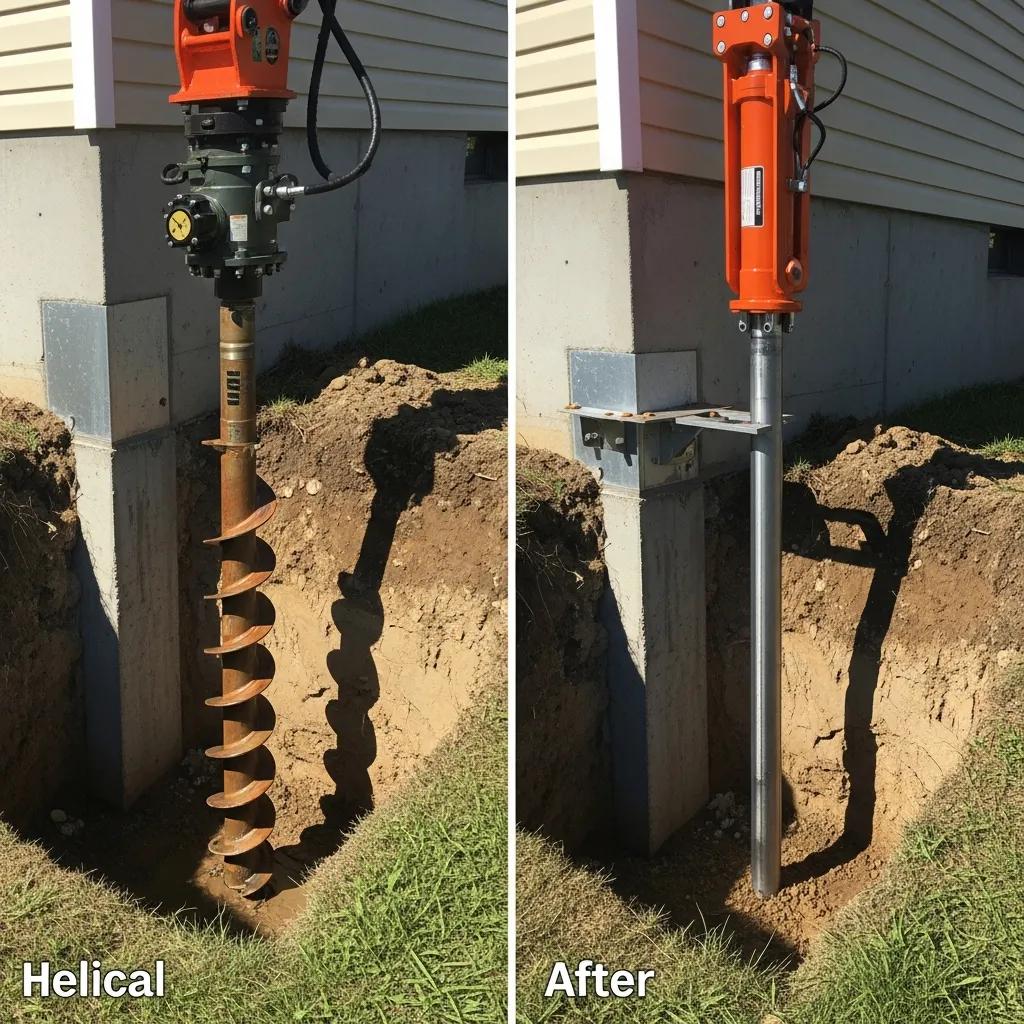
How Do Helical Piers Compare to Push Piers?

TechniqueProsCons
Helical Piers- Suitable for various soil types- Minimal disturbance to landscaping- Higher initial cost
Push Piers- Effective for deep foundation issues- Quick installation- May require more excavation

Helical piers are often preferred for lighter structures or where soil conditions are variable, while push piers are more effective for heavier loads and more severe settling. Homeowners should consult with professionals to determine the best option for their specific situation.

Further emphasizing their versatility, helical piles are also recognized for their role in underpinning and repairing compromised foundations.

Helical Piles for Foundation Underpinning & Repair

Helical piles also are used as underpinning elements for repair of failed foundations or to augment existing foundations for support of new loads.

Helical piles: a practical guide to design and installation, HA Perko, 2009

What Are the Differences Between Pier and Beam vs. Slab Foundation Repairs?

Foundation TypeRepair MethodKey Considerations
Pier and Beam- Adjusting piers- Replacing beams- Access to crawl space is necessary
Slab- Underpinning- Slab jacking- Requires careful lifting of the slab

Understanding these differences is essential for selecting the right repair method based on the foundation type.

How Do Foundation Crack Repair Techniques Differ?
American Foundation Specialists | Compare Foundation Repair Techniques: Pier and Beam vs Slab

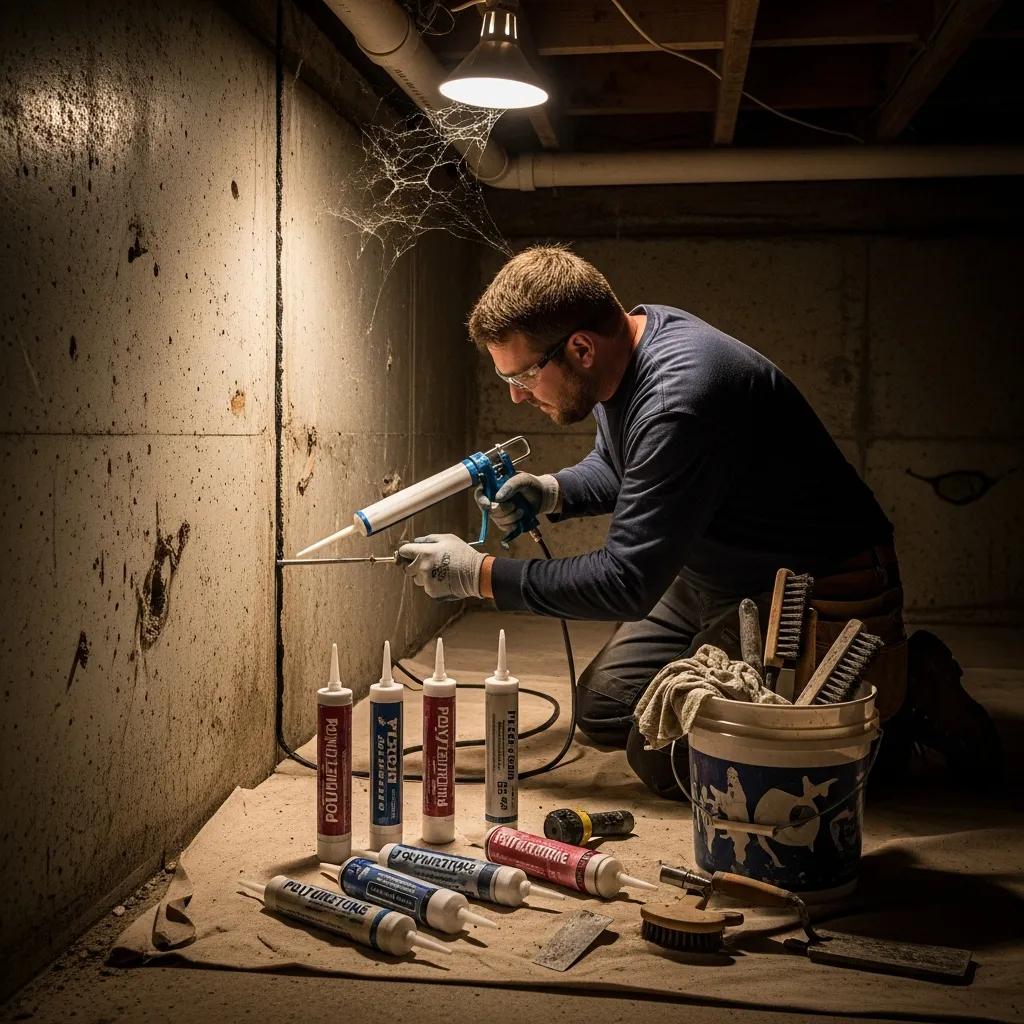
What Are the Benefits of Polyurethane and Epoxy Injections?

  • Polyurethane Injections: These are flexible and can expand to fill voids, making them ideal for active or leaking cracks.
  • Epoxy Injections: These provide a strong bond and are best for structural cracks that are stable, offering reinforcement.

Both methods can effectively seal cracks and prevent water intrusion, but the choice depends on the specific nature of the cracks.

Indeed, various methods exist for addressing concrete cracks, with injection techniques being a common approach, especially when dealing with foundation settlement.

Concrete Crack Repair Methods for Foundation Settlement

This section provides a survey of crack repair methods. If the cracks are due to a continuing foundation settlement, repair will be more complex. The other technique is to inject the cracks from one side and

Methods of crack repair in concrete structures, CA Issa, 2009

When Should Interior vs. Exterior Basement Waterproofing Be Used?

  • Interior Waterproofing: Best for managing minor leaks and moisture issues. It involves installing drainage systems and sump pumps inside the basement.
  • Exterior Waterproofing: More comprehensive, it involves excavating around the foundation to apply waterproof membranes and improve drainage.

Choosing the right method depends on the severity of the water issues and the overall condition of the foundation.

What Factors Influence Choosing the Right Foundation Repair Technique?

Several factors can influence the choice of foundation repair techniques, including soil type, damage severity, and budget.

How Do Soil Type, Damage Severity, and Budget Affect Repair Choices?

Soil type significantly impacts the choice of repair method. For instance, clay soils may require more robust solutions like helical piers. The severity of the damage also dictates the approach; minor cracks may only need injections, while severe settling may require underpinning. Budget constraints can limit options, making it essential to balance cost with the effectiveness of the repair.

Why Is Local Expertise Important for Wisconsin Foundation Repairs?

Local expertise is invaluable when it comes to foundation repairs. Professionals familiar with Wisconsin’s unique soil conditions and climate can provide tailored solutions that address specific challenges. American Foundation Specialists, with decades of experience, understands these local nuances and can offer effective repair strategies.

Why Choose American Foundation Specialists for Your Foundation Repair?

American Foundation Specialists has been a trusted name in foundation repair since 1947, providing quality service to homeowners in Southeastern Wisconsin. Their expertise in all types of structural repairs ensures that your foundation issues are addressed effectively.

How Does the 20-Year Transferable Warranty Provide Peace of Mind?

One of the standout features of American Foundation Specialists is their 20-year transferable warranty. This warranty not only covers the repairs but also adds value to your home, providing peace of mind for future buyers. Knowing that your foundation is backed by a solid warranty can alleviate concerns about long-term stability.

What Makes Our Repair Workmanship Exceed Industry Standards?

American Foundation Specialists prides itself on its high-quality workmanship. Their team is trained to adhere to industry standards, ensuring that every repair is done correctly and efficiently. Customer satisfaction is a top priority, and their commitment to excellence sets them apart in the foundation repair industry.

What Are Common Questions About Foundation Repair Techniques?

Homeowners often have questions regarding foundation repair techniques, especially when facing potential issues.

What Is the Most Effective Foundation Repair Method for Clay Soils?

For clay soils, helical piers are often the most effective solution. They provide stability by anchoring deep into stable soil layers, preventing further movement and settling.

The effectiveness of helical piers, particularly in challenging soil conditions like those found in Wisconsin, is often guided by specific engineering standards.

WisDOT Helical Pile Specifications for Foundation Repair

Specify the overall length and installed torque of a Helical Pile such that the required in-soil capacity is developed by end-bearing on the helix plate(s) in an appropriate strata(s).

Developing WisDOT standard specifications for helical piles, 2019

How Much Does Foundation Repair Typically Cost in Wisconsin?

The cost of foundation repair in Wisconsin can vary widely based on the method used and the extent of the damage. On average, homeowners can expect to pay between $2,000 and $7,000 for most repairs, with more extensive issues potentially costing more.

When Should You Use Helical Piers vs. Push Piers?

Helical piers are ideal for lighter structures or when soil conditions are variable, while push piers are better suited for heavier loads and more severe settling issues. Consulting with a foundation repair expert can help determine the best approach for your specific situation.

What Are the Advantages and Disadvantages of Pier and Beam Foundations?

Pier and beam foundations offer several advantages, including better ventilation and easier access to plumbing. However, they can be more susceptible to moisture issues and may require more maintenance compared to slab foundations. Understanding these pros and cons can help homeowners make informed decisions about their foundation type.