Top 7 Signs of Foundation Problems in Your Home
Residential Foundation Failure: Diagnosis & Structural Impact
The foundations are among of the structural elements of the buildings most affected by this damage, these constitute the link between the structure and the soil, they allow the transmission of loads from the structure to the soil. If these structural elements are damaged, they affect the general stability of the building. Depending on the severity of the damage, it can cause the building collapse.
A case study of foundation failure of a residential building: From diagnosis to reparation, A Merah, 2021
The top 7 signs of foundation problems in your home include:
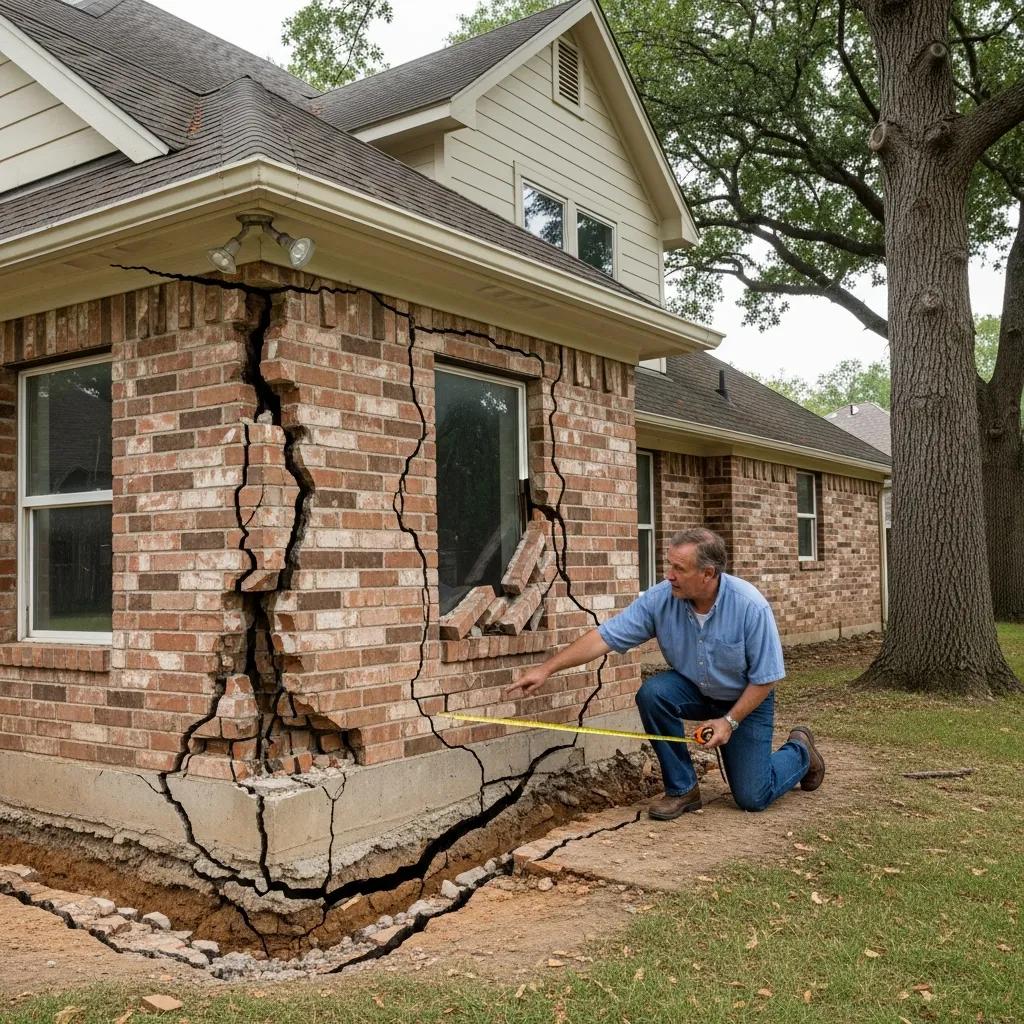
- Cracks in Walls and Floors: Cracks can appear in various forms, including horizontal, vertical, and diagonal. Horizontal cracks often indicate serious structural issues, while vertical cracks may be less concerning. Repair costs for these cracks can range from a few hundred dollars to $10,000 or more, depending on the severity and required repairs.
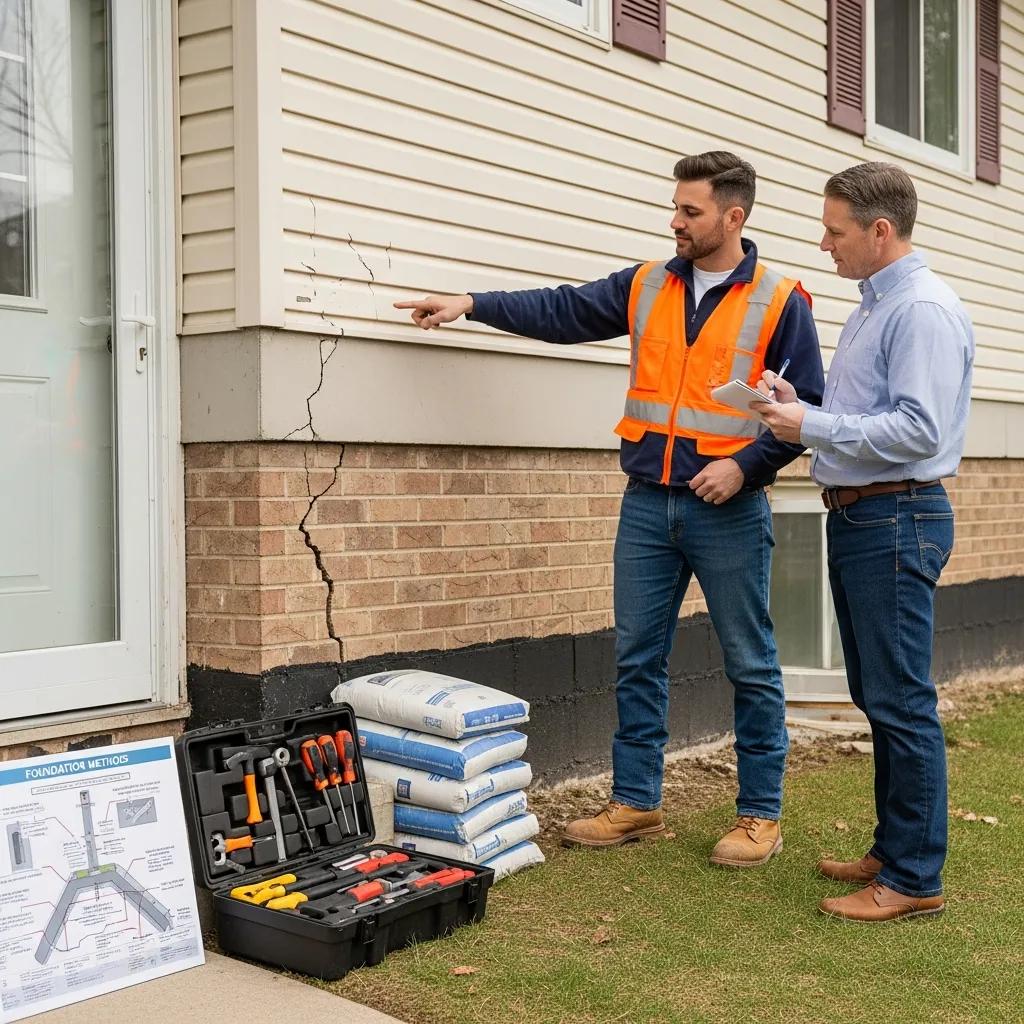
- Doors and Windows Sticking: If doors and windows are difficult to open or close, it may be a sign of a shifting foundation. This issue can arise from the foundation settling or moving. Repair costs for this issue can range from $200 to $2,000.
- Uneven or Sloping Floors: Floors that are not level can indicate foundation problems. Homeowners should assess the stability of their floors, as sloping can lead to further structural issues. Repair costs for uneven floors can range from $1,000 to $5,000.
- Gaps Around Windows and Doors: Gaps forming around window and door frames can signal foundation movement. These gaps can lead to energy inefficiency and further structural damage. Repair costs can vary from $200 to several thousand dollars, depending on the extent of the issue.
- Visible Cracks in the Foundation: Cracks in the foundation itself are a clear indicator of potential problems. Homeowners should assess the size and type of cracks, as larger cracks may require immediate attention. Repair costs for visible foundation cracks can range from $500 to $3,000.
- Water Pooling Around the Foundation: Poor drainage can lead to water pooling around the foundation, which can cause significant damage over time. Homeowners should ensure proper drainage systems are in place. Repair costs for addressing water pooling can range from $1,000 to $5,000.
- Creaking or Popping Noises: Unusual noises in the home, such as creaking or popping, can indicate foundation movement. These sounds may be a sign of structural stress and should not be ignored. Repair costs can start at $1,000.
Insights into Repair Costs
| Repair Type | Average Cost Range | Description |
|---|---|---|
| Minor Cracks | $500 - $3,000 | Repairing small cracks in the foundation. |
| Major Repairs | $1,000 - $10,000 | Addressing significant structural issues. |
| Waterproofing | $1,000 - $5,000 | Installing systems to prevent water pooling. |
What Are the Most Common Signs of Foundation Problems in Residential Properties?
How Do Basement Wall Cracks Indicate Structural Damage?
What Types of Foundation Cracks Should Homeowners Monitor?
- Vertical Cracks: Often less serious, but should still be monitored.
- Horizontal Cracks: Indicate potential structural issues and require immediate attention.
- Diagonal Cracks: Can signal foundation movement and should be assessed.
How Can Homeowners Use a Foundation Inspection Checklist to Detect Early Issues?
- Inspecting for visible cracks in walls and floors.
- Checking for gaps around windows and doors.
- Assessing the level of floors.
- Monitoring for water pooling around the foundation.
What Are the Key Components of a Thorough Foundation Inspection?
- Visual assessment of the foundation for cracks and damage.
- Evaluation of the interior and exterior for signs of movement.
- Checking drainage systems to ensure proper water flow.
Residential Building Diagnostic Assessment for Damage
This study builds upon existing research in building regeneration, constructing a diagnostic evaluation process for existing residential buildings from an architectural perspective. The process comprises three phases: data collection and integration, visual model construction, and diagnostic evaluation and analysis. Focusing on key residential components—roofs, walls, exterior windows, and shading elements—the research integrates Building Information Modeling (BIM) technology to propose a diagnostic grading system based on renovation intensity. It employs a comprehensive assessment method combining qualitative diagnostics with quantitative indicator analysis, culminating in the development of a diagnostic evaluation template.
Preliminary diagnostic assessment process and case studies for existing residential regeneration, 2025
How Does Foundation Settlement Manifest During an Inspection?
- Cracks in walls and floors.
- Uneven or sloping floors.
- Sticking doors and windows.
What Are the Effective Foundation Crack Repair Methods and Their Associated Costs?
- Epoxy Injection: Used for minor cracks, typically costing $250 to $1,500.
- Carbon Fiber Straps: For more significant structural issues, costing $1,000 to $3,000.
- Foundation Underpinning: A more extensive repair method for severe settlement issues, costing $3,000 to $10,000.
Epoxy Crack Repair Methods for Foundation Damage
One of the potentially effective concrete crack repair methods is filling the crack with epoxy resin (“epoxy”). There are two main repair methods using epoxy: (i) epoxy injection; and (ii) gravity feed with epoxy. In the epoxy injection method, the epoxy is injected under pressure into the cracks, while the gravity feed by epoxy method uses a thin epoxy to penetrate and fill the crack by gravity alone. Although these two methods have some similarities, their applications and objectives vary. It is crucial to assess and determine the cause(s) of the cracking and understand the objective of the repair prior to repairing any concrete crack. The primary objective of crack repair by gravity feed with epoxy is to fill and seal the cracks that are not moving – for example, shrinkage cracks and settlement cracks that have stabilised. However, the primary objective of the epoxy injection method is to restore the structural integrity and the resistance to penetration of the concrete element by aggressive liquids.
Crack Repair by Epoxy–Injection Method vs. Gravity Feed Method, 2025
How Can Preventative Maintenance and Waterproofing Prevent Further Foundation Damage?
What Basement Waterproofing Solutions Mitigate Moisture-Related Foundation Issues?
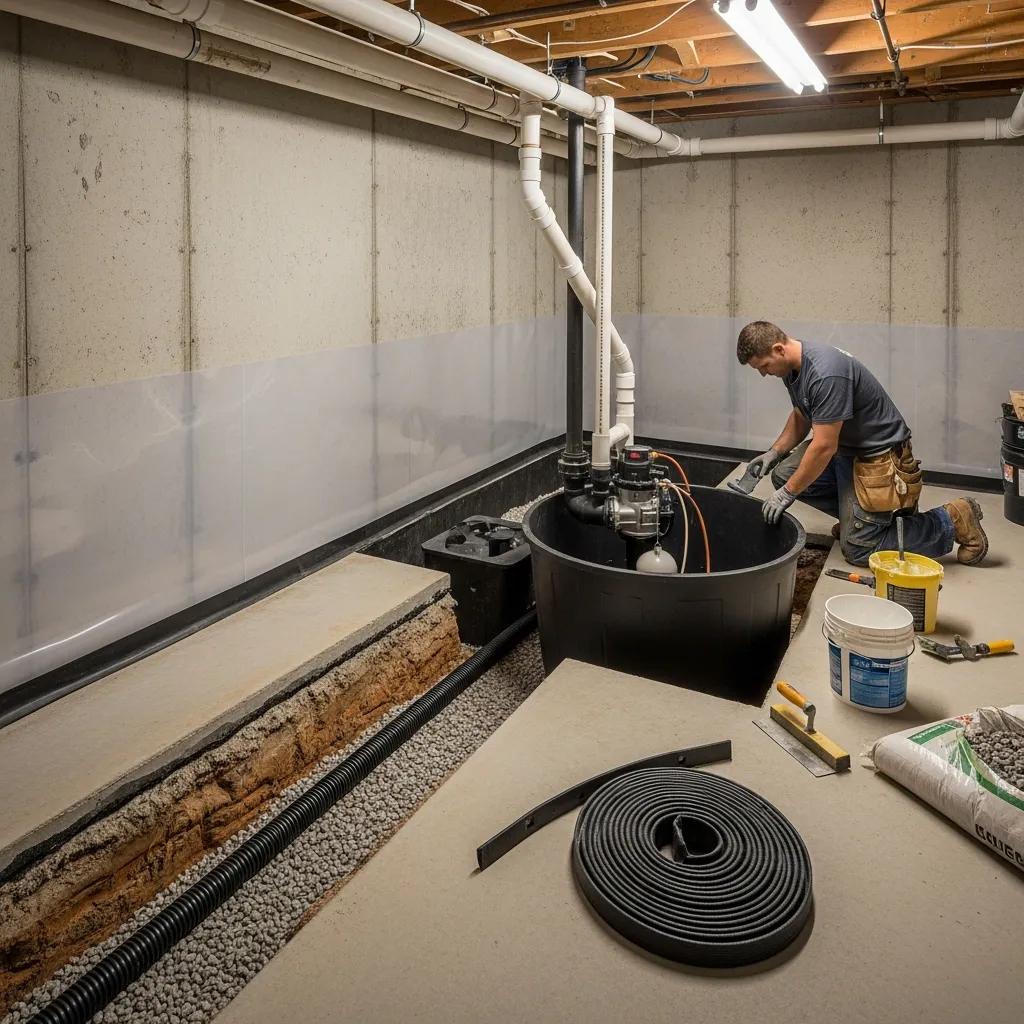
- Interior Drainage Systems: To redirect water away from the foundation.
- Exterior Waterproofing: To prevent water infiltration from outside.
- Sump Pumps: To remove excess water from the basement.
What Maintenance Practices Help Preserve Home Foundation Integrity?
- Regularly inspect for cracks and signs of movement.
- Ensure proper drainage around the foundation.
- Address any plumbing leaks promptly.