
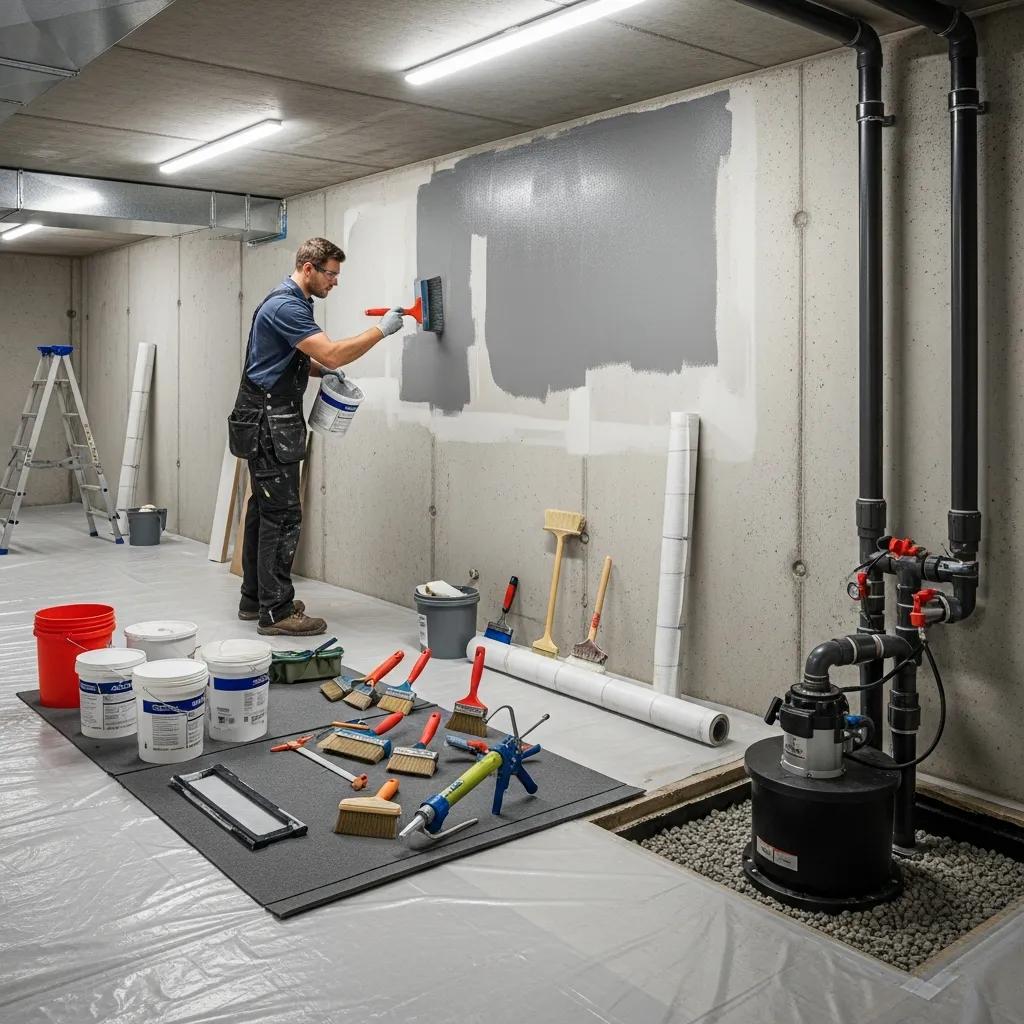
Basement Waterproofing Techniques: Cost, Durability & Damage Prevention
Water leakage or water seepage is one of the major causes of common building defects. Leakage leads to dampness, corrosion of metals, fungal growth and also affects the structural properties of concrete as well as damage beauty of the structure. It also has an adverse effect on human health by creating unpleasant condition. If water leakage can be prevented, almost 80% building defects can be eliminated. Thus, selecting the best method for waterproofing plays a vital role in the safety of the structure. In construction, a building or structure can be waterproofed with the use of membranes and coatings to protect contents as well as protecting structural integrity. Waterproofing can be categorized under traditional (tarfelt, Brick bat coba) and advanced (coatings, integral) waterproofing techniques. The objective of this study is to compare the different waterproofing techniques by considering factors such as cost, durability and ease of use. The findings of this study su
Comparative study of conventional and modern waterproofing techniques, AN Ghadge, 2016
Why Is Waterproofing Crucial Before Finishing Your Basement?
What Are the Benefits of Basement Waterproofing Before Finishing?
- Improved Air Quality: By preventing moisture buildup, waterproofing reduces the risk of mold and mildew, leading to healthier indoor air.
- Enhanced Living Space: A dry basement can be transformed into a functional living area, increasing your home's usable space.
- Reduced Repair Costs: Addressing water issues upfront can save homeowners from costly repairs in the future.
What Risks Does Skipping Waterproofing Pose to Finished Basements?
- Potential for Severe Water Damage: Water intrusion can cause significant damage to walls, flooring, and personal belongings.
- Increased Mold Risk: Moist environments promote mold growth, which can lead to health issues for occupants.
- Higher Long-Term Costs: The expenses associated with repairing water damage and mold remediation can far exceed the initial cost of waterproofing.
How to Waterproof Your Basement: Interior and Exterior Methods
What Are the Best Interior Waterproofing Solutions for Finished Basements?
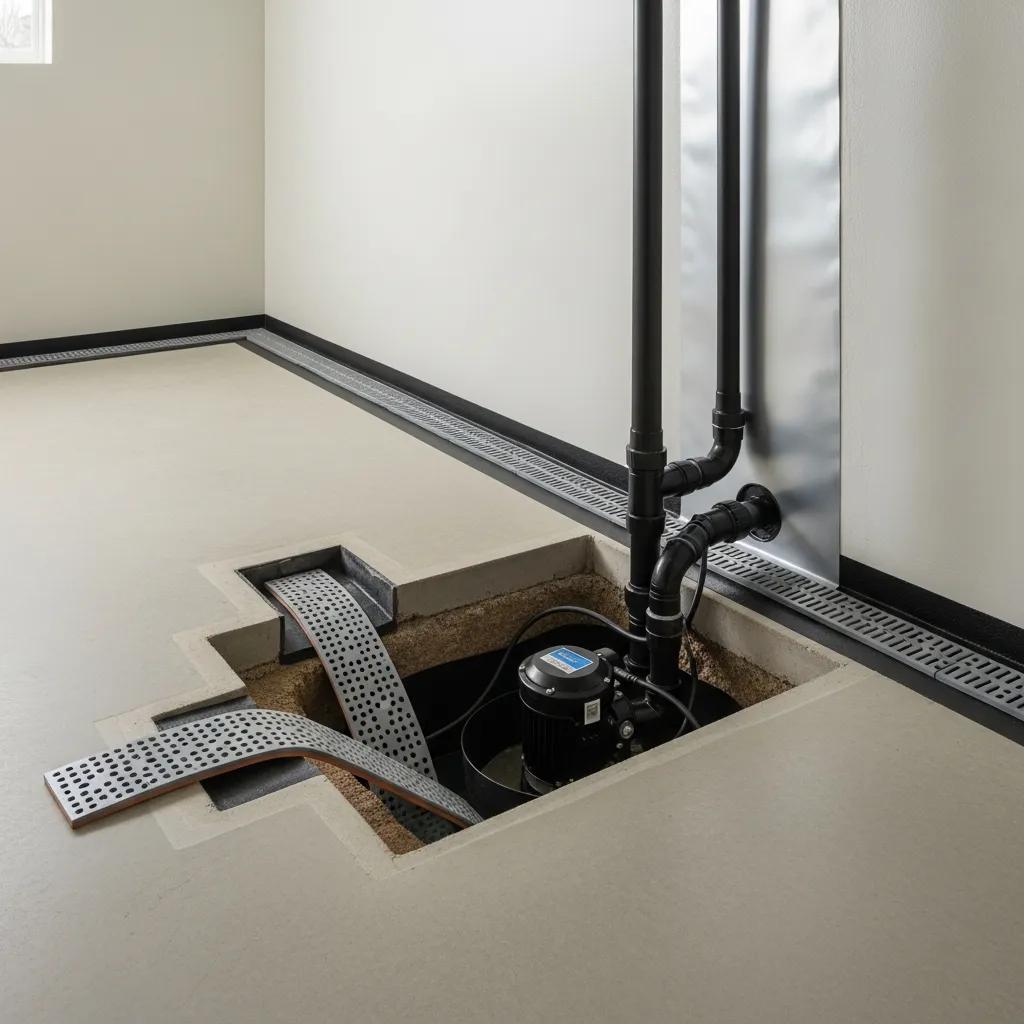
- Sealants and Coatings: Applying waterproof sealants to walls and floors can create a barrier against moisture.
- Sump Pump Systems: Installing a sump pump helps remove any water that may accumulate in the basement.
- Interior Drain Tile Systems: These systems collect and redirect water that enters the basement to a sump pump, preventing flooding.
How Does Exterior Waterproofing Protect Your Basement?
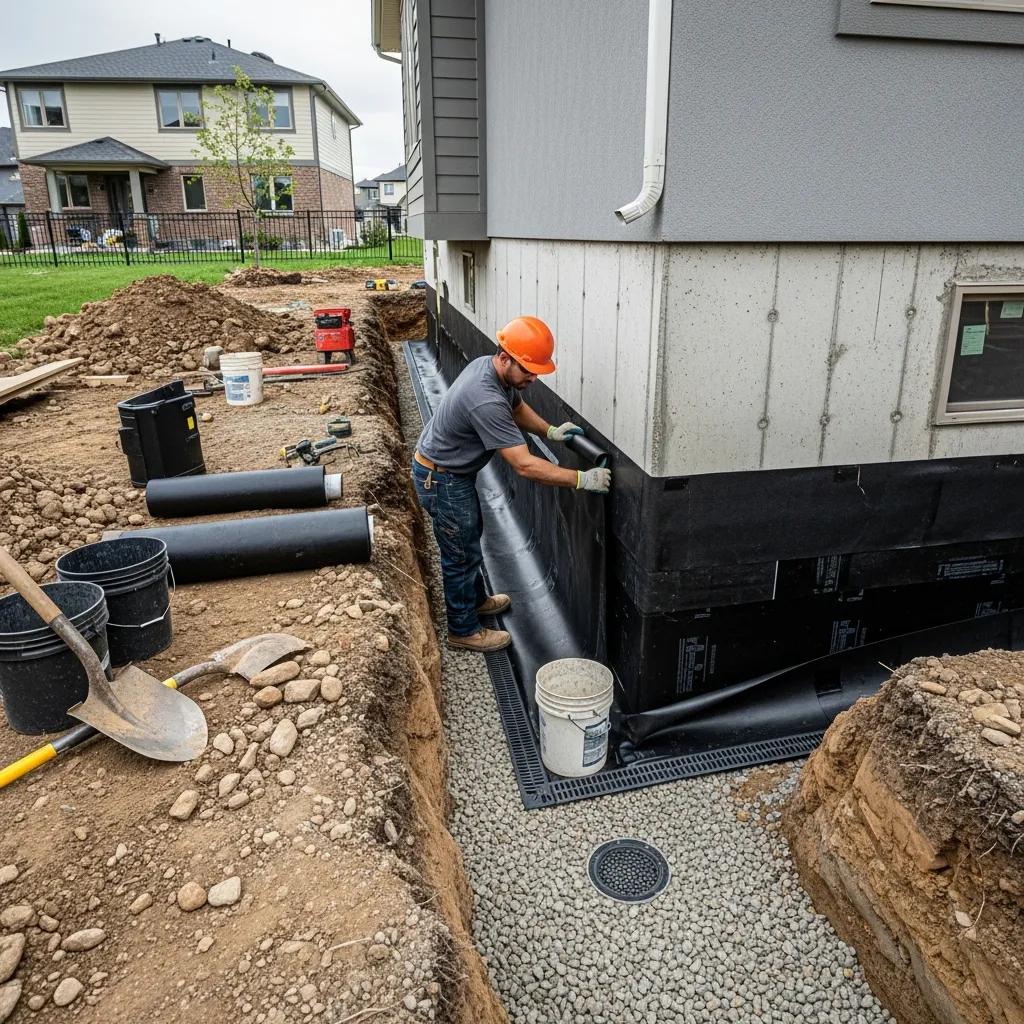
- Excavation and Membrane Installation: This process involves digging around the foundation and applying a waterproof membrane to prevent water from seeping in.
- Proper Drainage Systems: Installing gutters, downspouts, and grading the soil away from the foundation ensures that water is directed away from the home.
- Long-Term Protection Benefits: Exterior waterproofing provides a more permanent solution to moisture issues, safeguarding your basement for years to come.
What Are Preventative Basement Waterproofing Solutions and Key Components?
How Do Sump Pump Systems and Drainage Solutions Work?
- Function of Sump Pumps: Sump pumps collect water that accumulates in a sump basin and pump it away from the home.
- Types of Drainage Systems: Various drainage systems, such as French drains and interior drain tile systems, help redirect water away from the foundation or to a sump pump.
- Importance in Waterproofing: These systems are crucial for managing groundwater and preventing flooding.
Why Are Vapor Barriers and Dehumidifiers Important for Basement Health?
- Preventing Moisture Buildup: Vapor barriers block moisture from entering the basement through floors and walls, reducing humidity levels.
- Improving Air Quality: Dehumidifiers help maintain optimal humidity levels, preventing mold growth and improving air quality.
- Reducing Mold Growth: By controlling moisture, these components significantly decrease the likelihood of mold development.
How Much Does Basement Waterproofing Cost Before Finishing in Wisconsin?
What Factors Influence Basement Waterproofing Costs?
- Size of the Basement: Larger basements require more materials and labor, increasing costs.
- Type of Waterproofing Method: Different methods have varying costs, with exterior waterproofing generally being more expensive than interior solutions.
- Local Labor Costs: Labor rates can vary by region, affecting the overall price of the project.
How Does Waterproofing Increase Property Value and ROI?
- Impact on Home Value: A waterproofed basement can increase your home's market value, making it more attractive to potential buyers.
- Long-Term Savings: Preventing water damage can save homeowners from costly repairs and maintenance in the future.
- Market Trends: As more buyers seek homes with finished basements, waterproofing becomes a valuable selling point.
How to Prevent Water Damage and Mold in Your Finished Basement?
What Are Common Signs of Water Damage and Mold in Basements?
- Visible Mold Growth: Mold can appear as black, green, or white spots on walls and ceilings.
- Water Stains on Walls: Discoloration or stains on walls may indicate water intrusion.
- Musty Odors: A damp, musty smell often signals mold growth or moisture issues.
Which Maintenance Practices Ensure Long-Term Waterproofing Protection?
- Regular Inspections: Periodically check for signs of water damage or mold growth.
- Cleaning Gutters and Drains: Ensure that gutters and drains are clear of debris to prevent water buildup.
- Monitoring Humidity Levels: Use a hygrometer to keep humidity levels in check, ideally between 30-50%.
Why Choose American Foundation Specialists for Basement Waterproofing Before Finishing?
What Unique Value Does American Foundation Specialists Offer?
- Honest Analyses and Fair Estimates: The company offers transparent assessments and pricing for all services.
- Same-Day Inspection Reports: Homeowners receive prompt feedback on their waterproofing needs.
- 24/7 Emergency Services: The company is available around the clock to address urgent waterproofing issues.
How Does the 20-Year Transferable Warranty Protect Homeowners?
- Coverage Details: The warranty covers various waterproofing issues, ensuring long-term protection.
- Transferability Benefits: Homeowners can transfer the warranty to future buyers, enhancing property value.
- Peace of Mind for Homeowners: This warranty provides assurance that your investment is protected for years to come.
| Service | Cost Factor | Value |
|---|---|---|
| Interior Waterproofing | $1,500 - $3,000 | Protects against moisture intrusion |
| Exterior Waterproofing | $5,000 - $15,000 | Long-term protection from water damage |
| Sump Pump Installation | $1,000 - $3,000 | Essential for water removal |