
American Foundation Specialists | Understanding the Causes of Basement Water Leaks

Understanding the Causes of Basement Water Leaks: Comprehensive Insights into Hydrostatic Pressure, Foundation Cracks, and Waterproofing Solutions

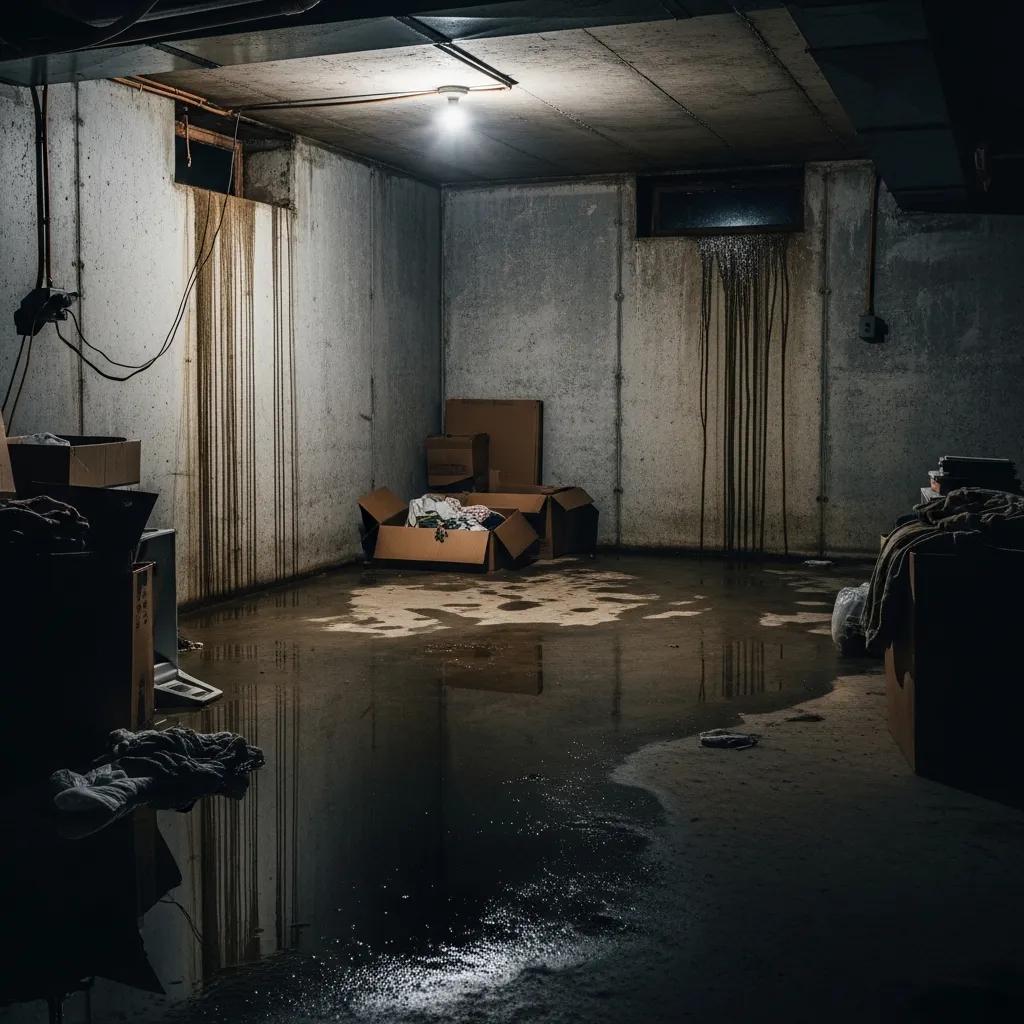
Basement water leaks can be a significant concern for homeowners, leading to structural damage and costly repairs. Understanding the causes of these leaks is essential for effective prevention and remediation. This article delves into the primary factors contributing to basement water leaks, including hydrostatic pressure and foundation cracks, while also exploring effective waterproofing solutions. Homeowners often face challenges such as moisture intrusion, which can lead to mold growth and compromised structural integrity. By identifying the root causes and implementing appropriate solutions, property owners can safeguard their homes against water damage. We will cover key topics such as hydrostatic pressure, foundation cracks, and the importance of waterproofing solutions, providing a comprehensive overview of how to protect your basement from water intrusion.

Hydrostatic Pressure

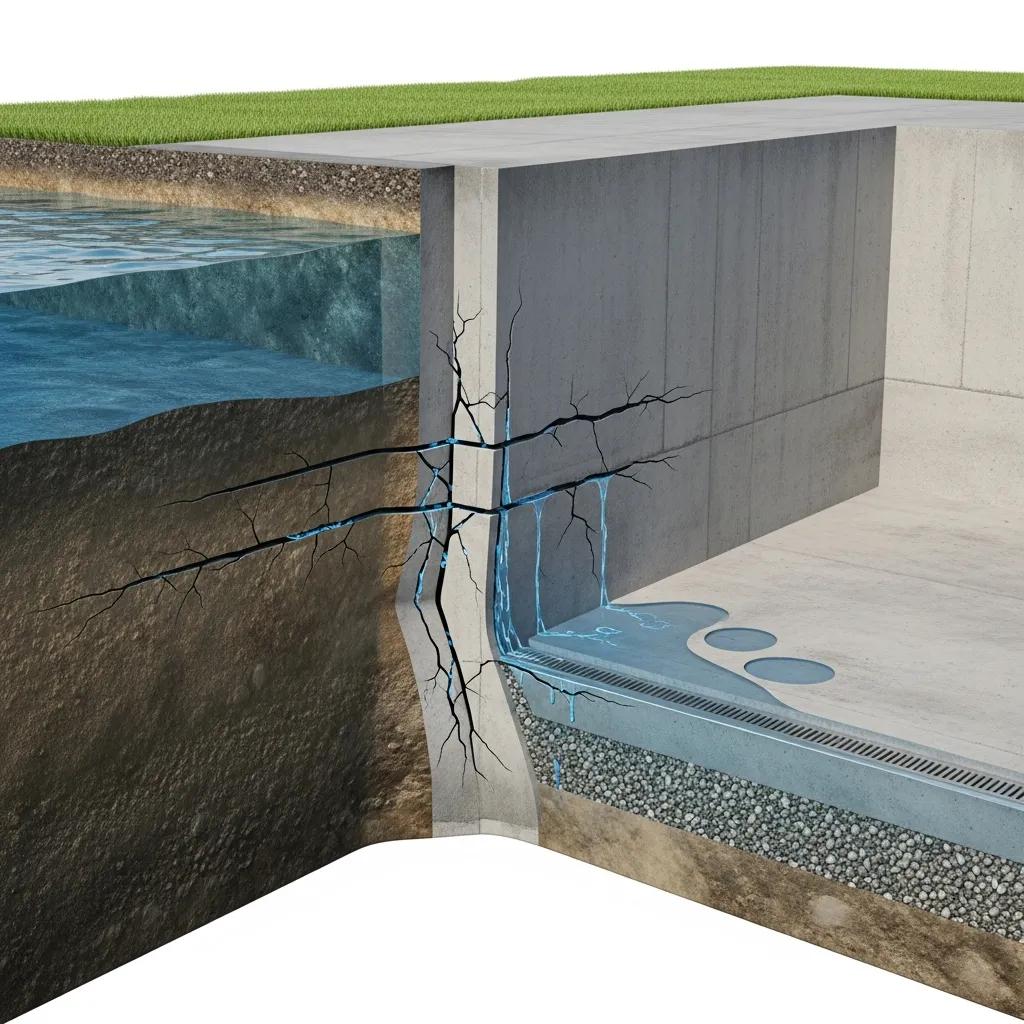
Hydrostatic pressure refers to the pressure exerted by water in the soil surrounding a foundation. This pressure can lead to significant water intrusion in basements, especially during heavy rainfall or snowmelt. When the soil becomes saturated, the water seeks the path of least resistance, often finding its way into basements through cracks and porous materials. Understanding hydrostatic pressure is crucial for homeowners to mitigate its effects and prevent water damage.

How Does Hydrostatic Pressure Affect Basement Walls and Foundations?
American Foundation Specialists | Understanding the Causes of Basement Water Leaks

Hydrostatic pressure can cause various types of damage to basement walls and foundations. As water accumulates around the foundation, it exerts pressure that can lead to bowing walls, cracks, and even structural failure over time. The long-term effects of hydrostatic pressure can compromise the integrity of the foundation, leading to costly repairs. Preventative measures, such as proper drainage systems and waterproofing, are essential to protect against these damaging effects.

Further research highlights the critical importance of considering long-term environmental changes, such as rising groundwater levels, when assessing the resilience of building foundations against water intrusion.

Water Intrusion & Foundation Resilience in Changing Climates

Groundwater inundation as a consequence of sea level rise triggers significant risks for building foundations in coastal areas. This paper presents a framework to model the resilience of coastal-building foundations in the presence of soil strength deterioration due to water intrusion. The resilience model is mathematically based on the integration of the time-variant performance function within a reference period of interest. A strip foundation is considered, whose ultimate bearing capacity is modeled by the Terzaghi trinomial formula. The rise of groundwater table reduces the strength of soils, and the impact of climate change on groundwater level rise is incorporated in the resilience assessment. An example is presented to demonstrate the applicability of the proposed framework. It is shown that ignoring the effect of water level rise in a changing climate would result in a non-conservative estimate of structural resilience. The life-time resilience is also dependent on the

Resilience model for coastal-building foundations with time-variant soil strength due to water intrusion in a changing climate, C Wang, 2023

What Are the Signs of Hydrostatic Pressure-Induced Water Intrusion?

Identifying the signs of hydrostatic pressure-induced water intrusion is vital for early intervention. Common indicators include damp spots on walls, water pooling in the basement, and visible cracks in the foundation. Homeowners should also be aware of musty odors, which can indicate mold growth due to moisture accumulation. Early detection and prompt action can prevent more severe damage and costly repairs.

Foundation Cracks

Foundation cracks are another significant contributor to basement water leaks. These cracks can form due to various factors, including soil settlement, temperature fluctuations, and hydrostatic pressure. Understanding how foundation cracks facilitate water entry is essential for effective remediation.

How Do Foundation Cracks Facilitate Water Entry into Basements?
American Foundation Specialists | Understanding the Causes of Basement Water Leaks

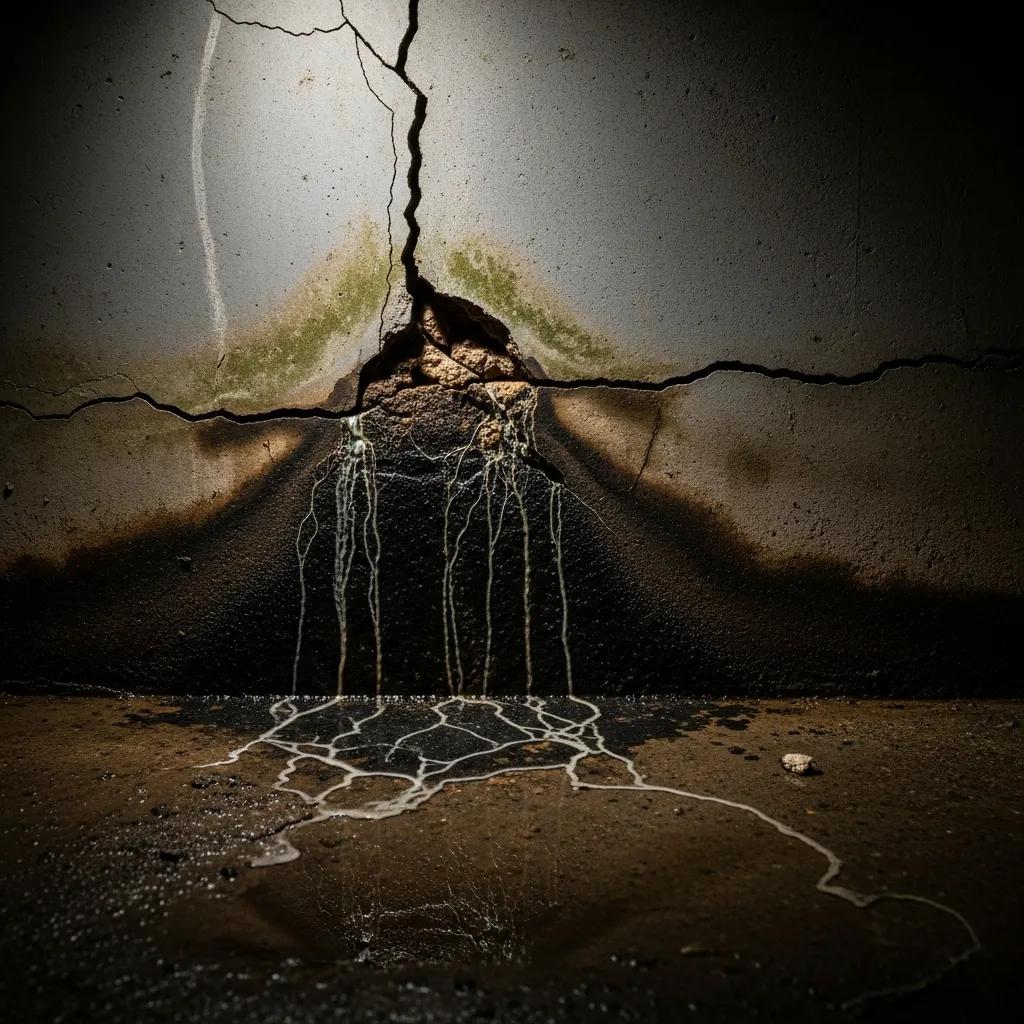
Foundation cracks provide direct pathways for water to enter basements. Even small cracks can allow significant amounts of water to seep through, especially during heavy rain. The type of cracks, whether vertical or horizontal, can indicate different underlying issues. Soil conditions, such as expansive clay or poorly compacted fill, can exacerbate the problem. Repair options include epoxy injections and underpinning, which can help restore the foundation’s integrity and prevent further water intrusion.

Effective Waterproofing Solutions

Implementing effective waterproofing solutions is crucial for preventing basement leaks. Various methods can be employed to protect basements from water intrusion, including interior and exterior waterproofing systems. Each method has its benefits and considerations, making it essential for homeowners to choose the right solution for their specific needs.

What Other Structural and Environmental Factors Contribute to Water Entry?

In addition to hydrostatic pressure and foundation cracks, several structural and environmental factors can contribute to water entry in basements. Weather conditions, such as heavy rainfall and snowmelt, can increase the risk of water intrusion. Soil types also play a significant role; for instance, sandy soils drain well, while clay soils retain moisture. Aging infrastructure, such as deteriorating gutters and downspouts, can further exacerbate water entry issues. Regular maintenance and inspections are vital to address these factors proactively.

Waterproofing MethodDescriptionBenefits
Interior SealantsApplied to basement walls to create a moisture barrierEasy to apply, cost-effective
Exterior Drainage SystemsInstalled around the foundation to redirect water awayPrevents water accumulation, long-lasting
Sump PumpsPumps out water that accumulates in the basementEffective for high-water areas, automatic operation

These waterproofing methods can significantly reduce the risk of water intrusion, ensuring a dry and safe basement environment.

When Should Property Owners Schedule Professional Inspections for Basement Water Issues?

Regular inspections are essential for maintaining a dry basement and preventing water issues. Homeowners should be proactive in scheduling inspections, especially after heavy rainfall or if they notice signs of water intrusion.

What Are the Key Indicators That Require Immediate Professional Assessment?

Certain indicators signal the need for immediate professional assessment. These include persistent dampness, visible cracks in walls, and warped structures. Homeowners should not ignore these signs, as they can lead to more severe problems if left unaddressed. Engaging a professional can provide peace of mind and ensure that any underlying issues are promptly addressed.

How Do Regular Inspections Contribute to Long-Term Basement Moisture Control?

Regular inspections contribute significantly to long-term basement moisture control. By identifying potential issues early, homeowners can implement preventative measures before they escalate into costly repairs. Additionally, routine maintenance helps improve indoor air quality and reduces the risk of mold growth, creating a healthier living environment. Investing in regular inspections is a proactive approach to safeguarding your home against water damage.