Professional Methods
Polyurethane Foam for Sidewalk Leveling & Subgrade Stabilization
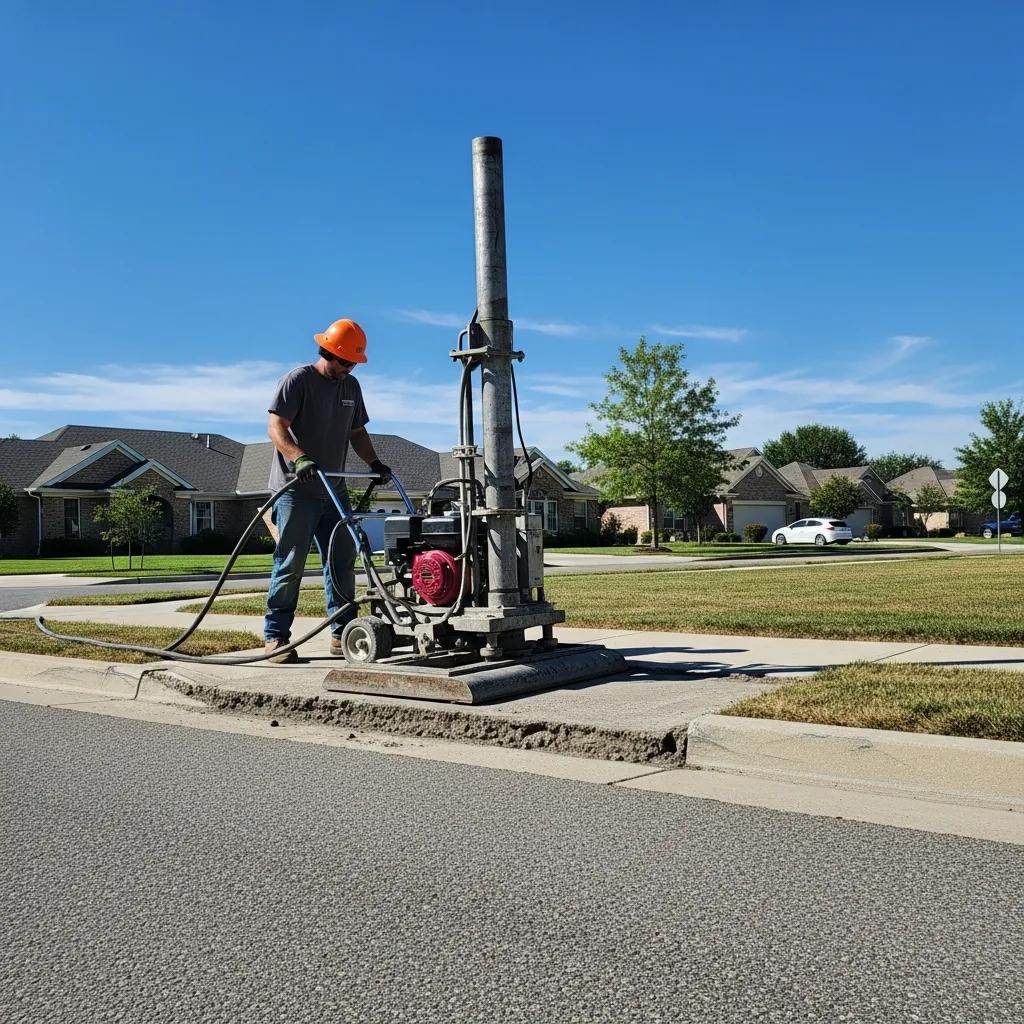
After several years of service, concrete pavement slabs tend to settle due to weak subgrade or erosion of the subgrade soil. Different treatment techniques have been used to rectify the problem. In recent years, high-density polyurethane (HDP) foams were introduced on concrete pavements after their success in leveling settled sidewalks and building bases/foundations. Compared to other traditional slabs jacking/stabilization material, HDP foams are cost-effective, their installation requires shorter lane closure times and protects the subgrade from subsurface water infiltration by filling the voids.
Evaluation of the performance of polyurethane foams in rigid pavement preservation, M Fortunatus, 2018
Safety Solutions
Best Practices for Effective Implementation
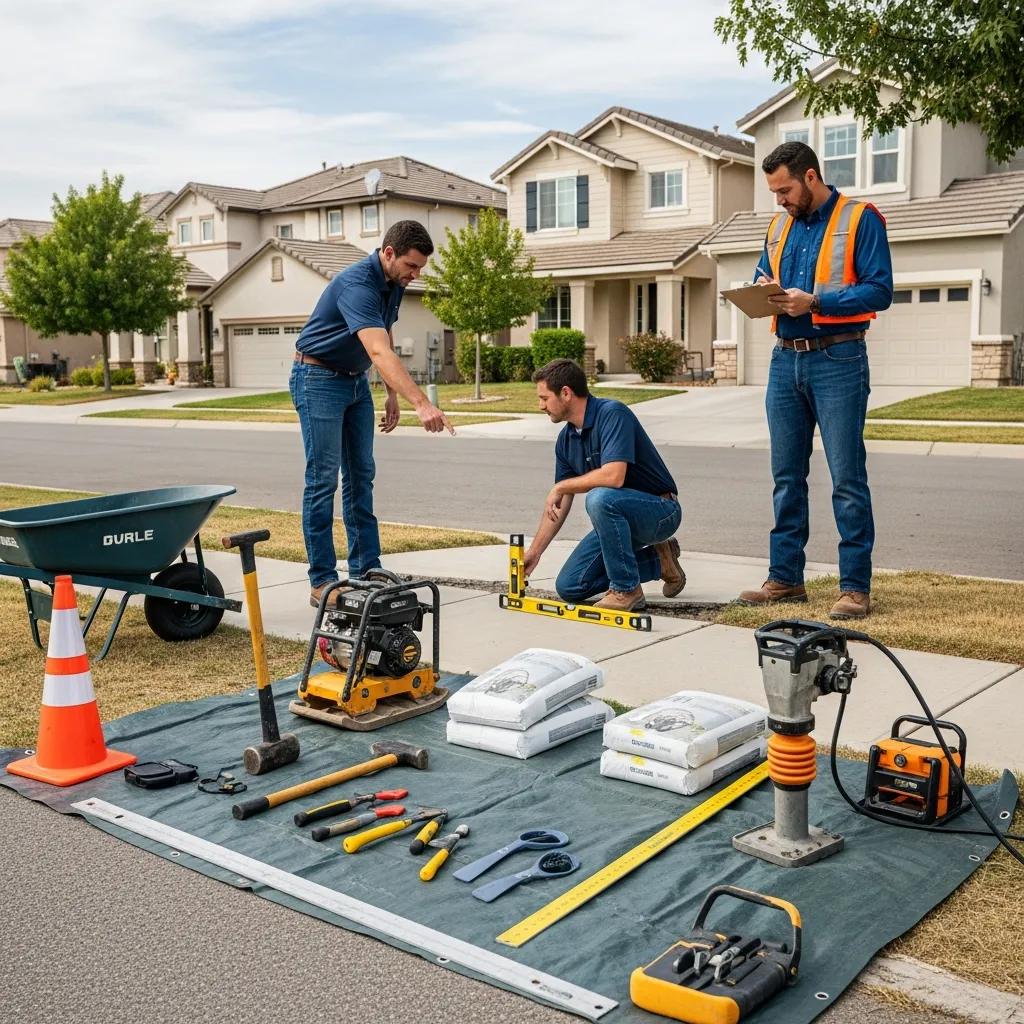
- Assessment: Conduct a thorough evaluation of the sidewalk to identify areas of concern and determine the appropriate leveling method.
- Preparation: Clear the area of debris and ensure that the surface is clean before beginning the leveling process.
- Regular Inspections: Schedule periodic inspections to monitor the condition of the sidewalk and address any emerging issues promptly.
Longevity and Environmental Impact
What Are the Primary Concrete Lifting Methods for Sidewalk Leveling?
- Mudjacking: Involves injecting a cement-based slurry beneath the slab to raise it.
- Polyurethane Foam Injection: Uses high-density foam to lift and stabilize the concrete.
What Causes Sidewalk Unevenness and Trip Hazards?
- Soil Movement: Changes in soil moisture can cause soil to expand or contract, leading to settling.
- Poor Drainage: Water accumulation can erode the soil beneath the sidewalk, resulting in uneven surfaces.
- Environmental Influences: Freeze-thaw cycles can exacerbate cracking and shifting in concrete.
How Does Soil Settlement Affect Sidewalk Stability?
What Are Common Signs of Sidewalk Cracks and Damage?
- Cracks: Visible fissures in the concrete surface.
- Uneven Surfaces: Areas where the sidewalk is raised or lowered compared to adjacent sections.
- Puddles or Ice Patches: Accumulation of water that can freeze and create additional hazards.
How Does Sidewalk Concrete Leveling Improve Safety and Reduce Liability?
What Are the Legal Implications of Trip Hazard Sidewalk Solutions?
How Does Professional Inspection Prevent Future Sidewalk Hazards?
What Is the Typical Process and Cost for Sidewalk Concrete Leveling Services?
- Assessment: Evaluating the condition of the sidewalk.
- Preparation: Clearing the area and preparing for the leveling process.
- Execution: Implementing the chosen leveling method, whether mudjacking or polyurethane foam injection.
What Steps Are Involved in Sidewalk Crack Repair and Leveling?
- Assessment: Identifying the extent of the damage.
- Preparation: Cleaning the area and removing debris.
- Injection: Using the chosen method to fill cracks and raise the sidewalk.