
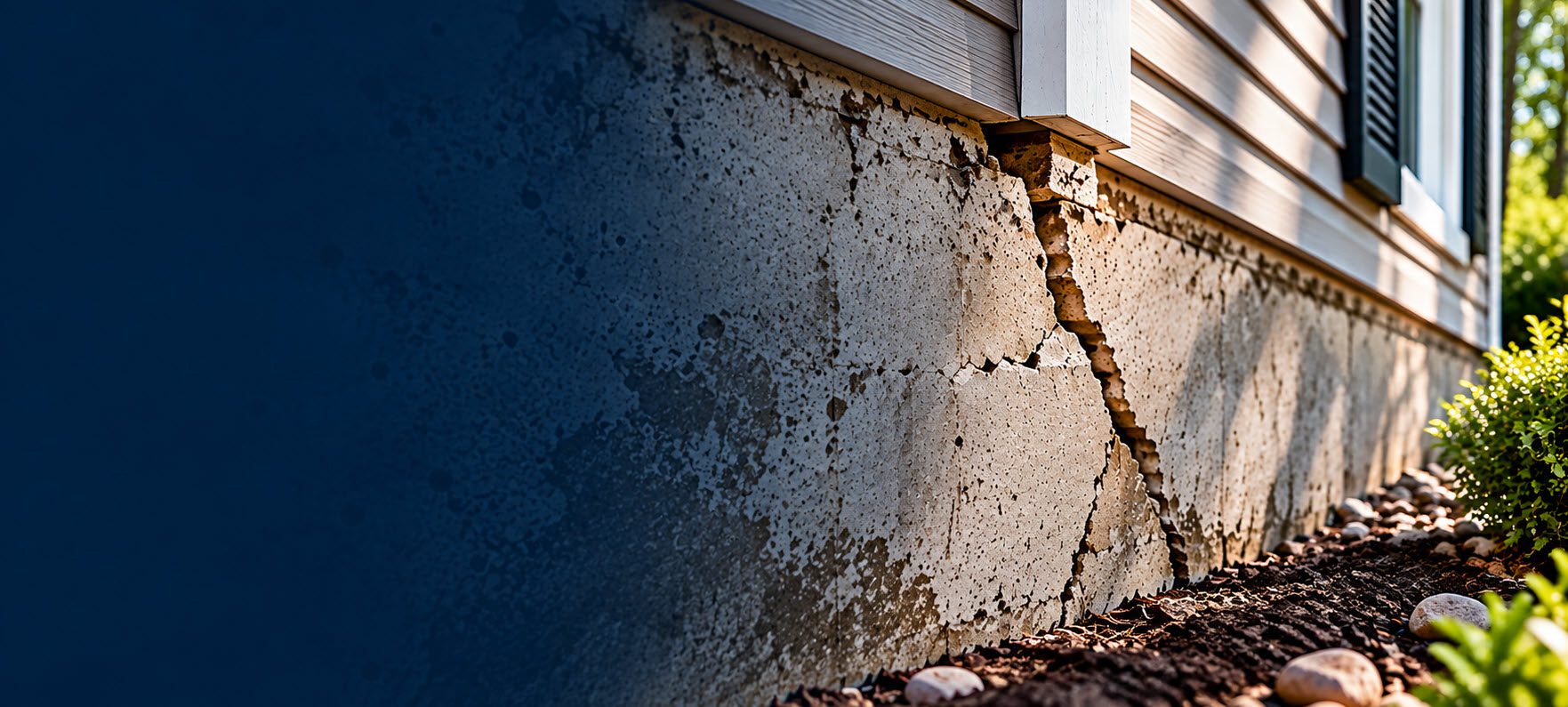
Cracked Foundation Wall Repair in Southeastern Wisconsin
Identify the Cause. Repair the Damage. Protect Your Home.
Cracks in your foundation walls can be more than a cosmetic concern. Whether you're noticing vertical cracks, horizontal cracks or stair-step cracking in your basement walls, American Foundation Specialists helps Southeastern Wisconsin homeowners identify foundation problems and determine the right repair solution.
- Free inspections
- Written estimates
- Family owned for 80 years
- Since 194780 Years of Experience
- Family Owned& Operated
- Warranty BackedUp to 20-Year Warranty
- Licensed & BondedFully Insured
- BBB A+ RatingBetter Business Bureau

Experienced Foundation Repair Specialists
A Small Foundation Crack Can Signal a Bigger Problem
Almost every basement in Southeastern Wisconsin has a crack or two. Concrete shrinks as it cures, homes settle into the ground and decades of clay soil pressure and freeze-thaw cycles leave their mark. Many of those cracks are harmless. Some are the first visible sign that a wall is moving, a corner is settling or water pressure is building outside.
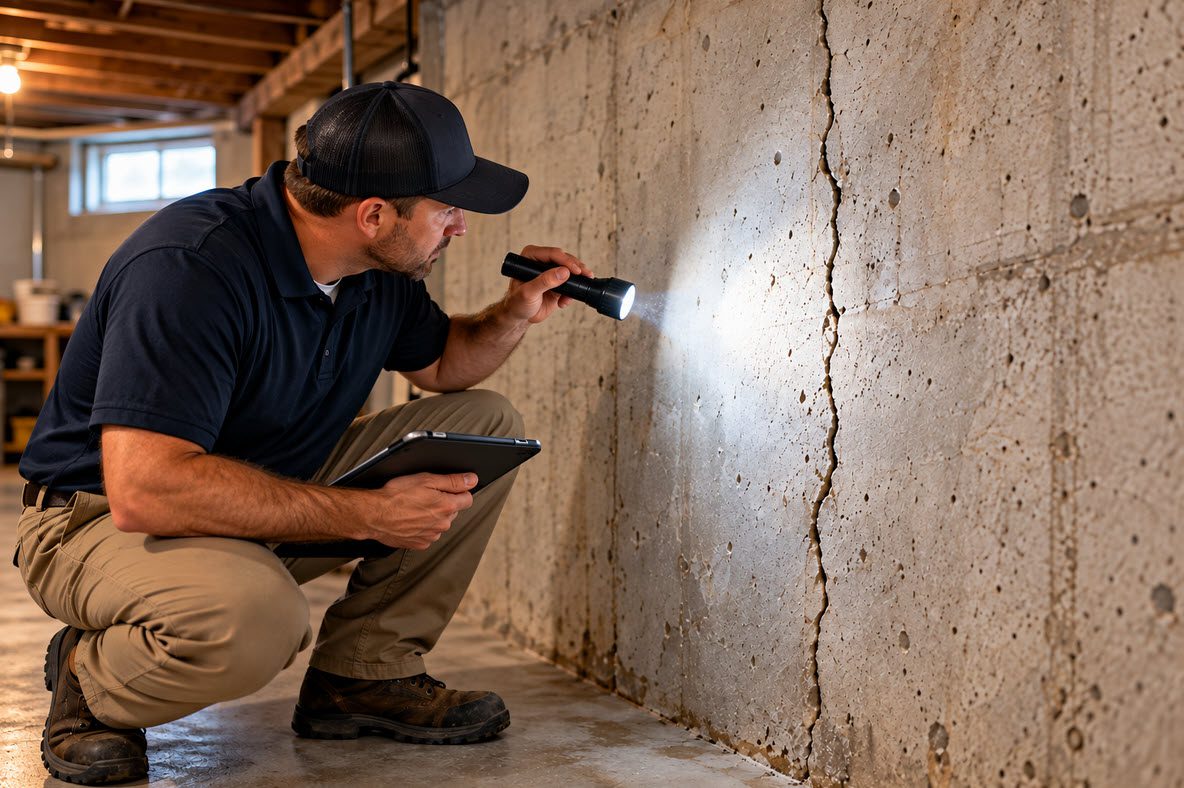
The difference usually comes down to direction, width, displacement and moisture. A dry hairline crack in a poured wall is a very different situation from a horizontal crack in a block wall that's starting to lean. We've worked on poured concrete, concrete block and older stone and brick foundations across the region, and every crack repair starts the same way: a careful inspection and a straight answer about what it means.
Know What You're Looking At
Understanding Different Types of Foundation Wall Cracks
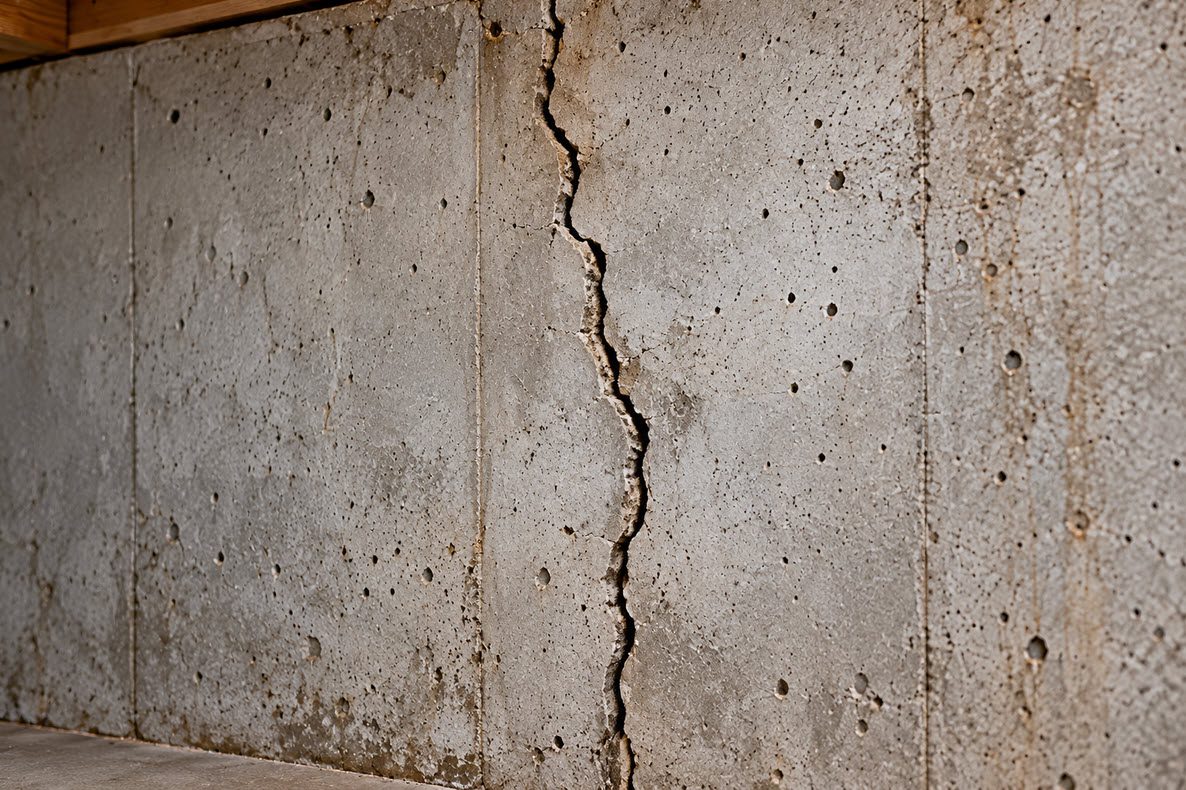
Vertical cracks run up and down the wall and are the most common cracks in poured concrete basements. Most form as the concrete cures and shrinks during a home's first years. They're rarely a structural concern on their own, but they're one of the most common ways water gets into a basement. We look at whether the crack is wider at the top or bottom, whether it's growing and whether it leaks. A dry hairline crack may only need monitoring; a leaking one is usually sealed with injection.
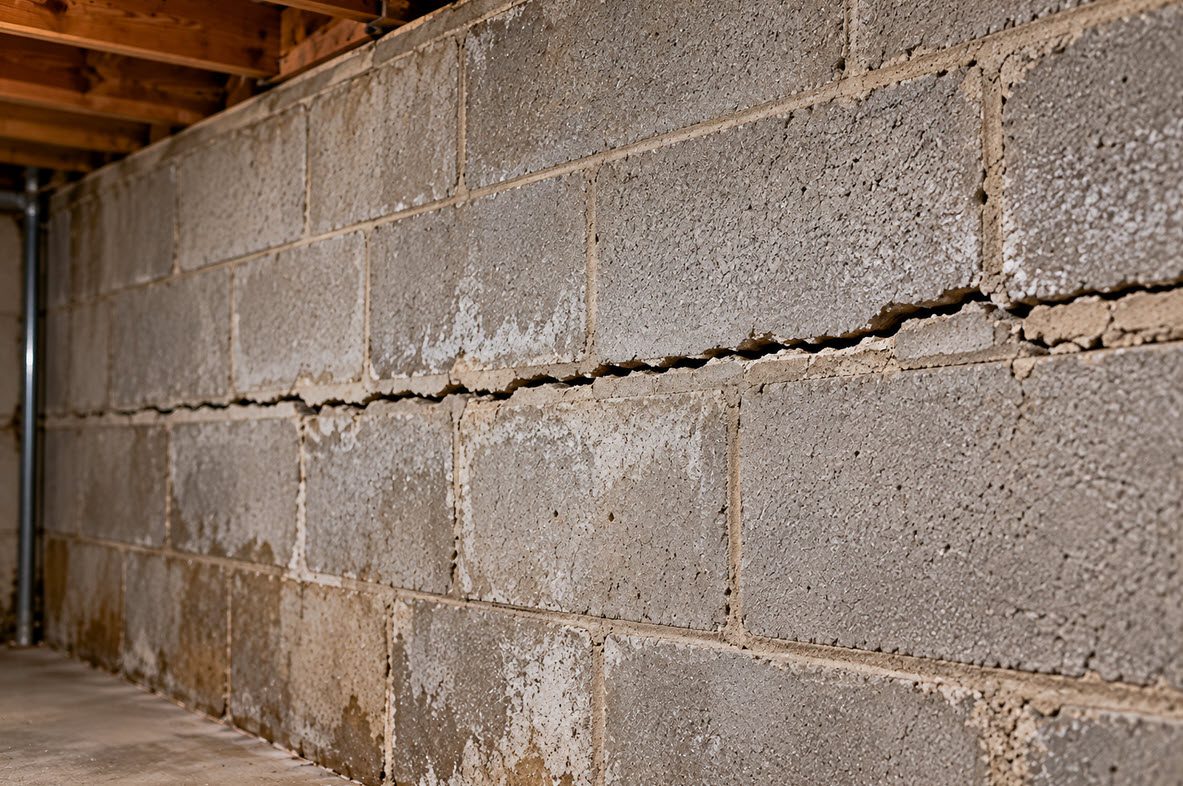
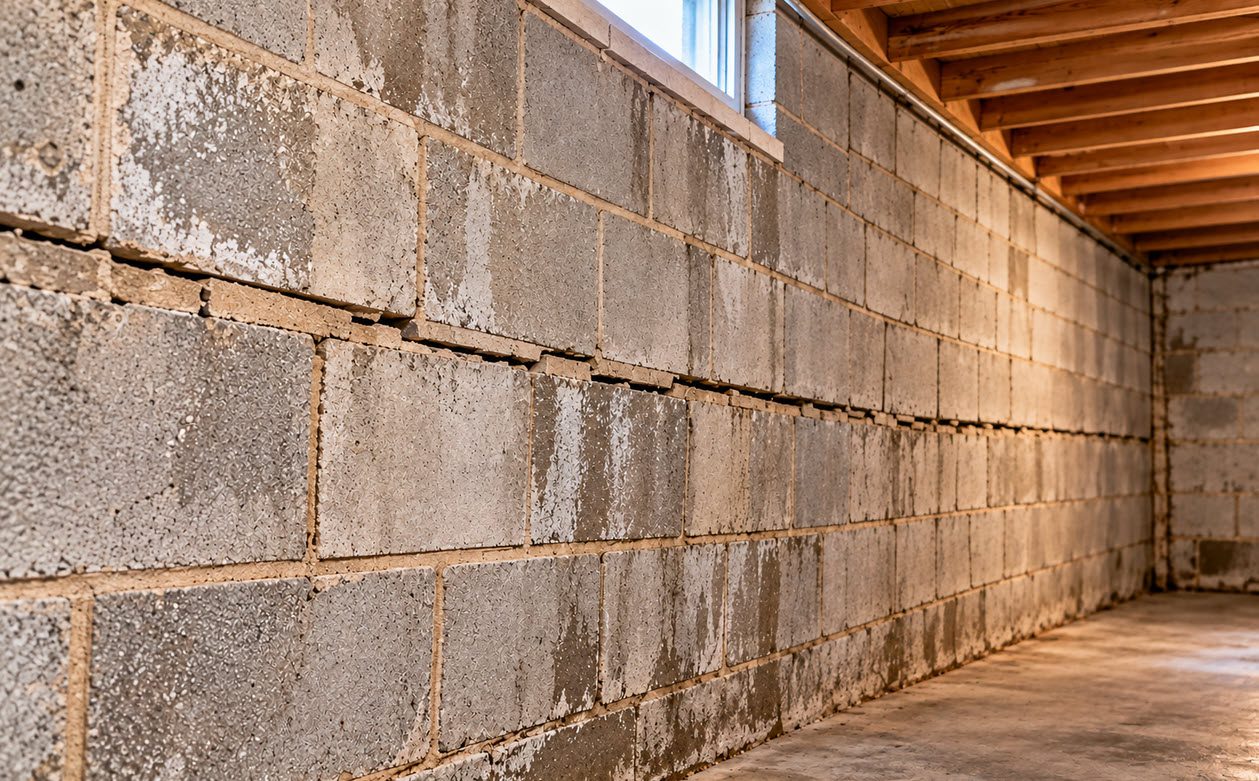
A crack running sideways across a basement wall, especially in a concrete block wall, deserves a closer look. Horizontal cracks often form where soil pressure from outside is pushing the wall inward, and they're frequently the first sign of a wall beginning to bow. We check the wall for lean, bulging and displacement along the crack. If the wall is moving, sealing the crack alone won't fix it, and the wall may need reinforcement such as steel wall braces.
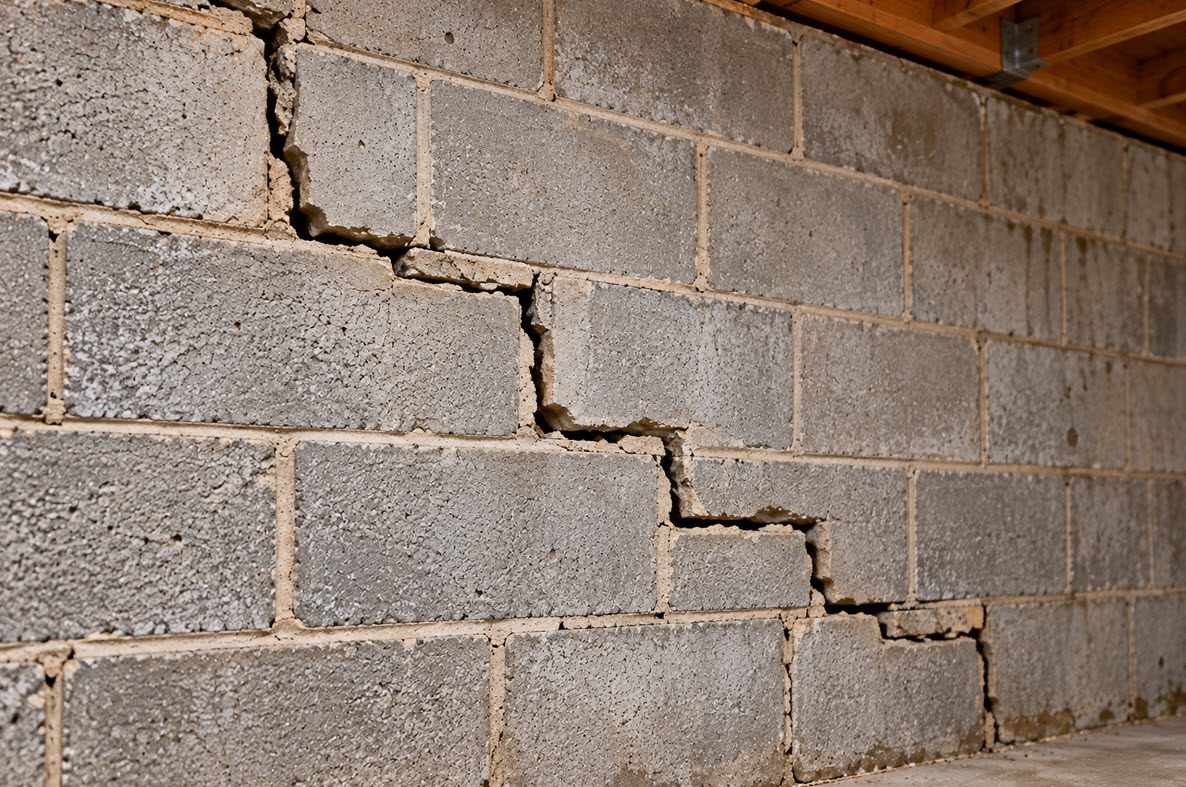
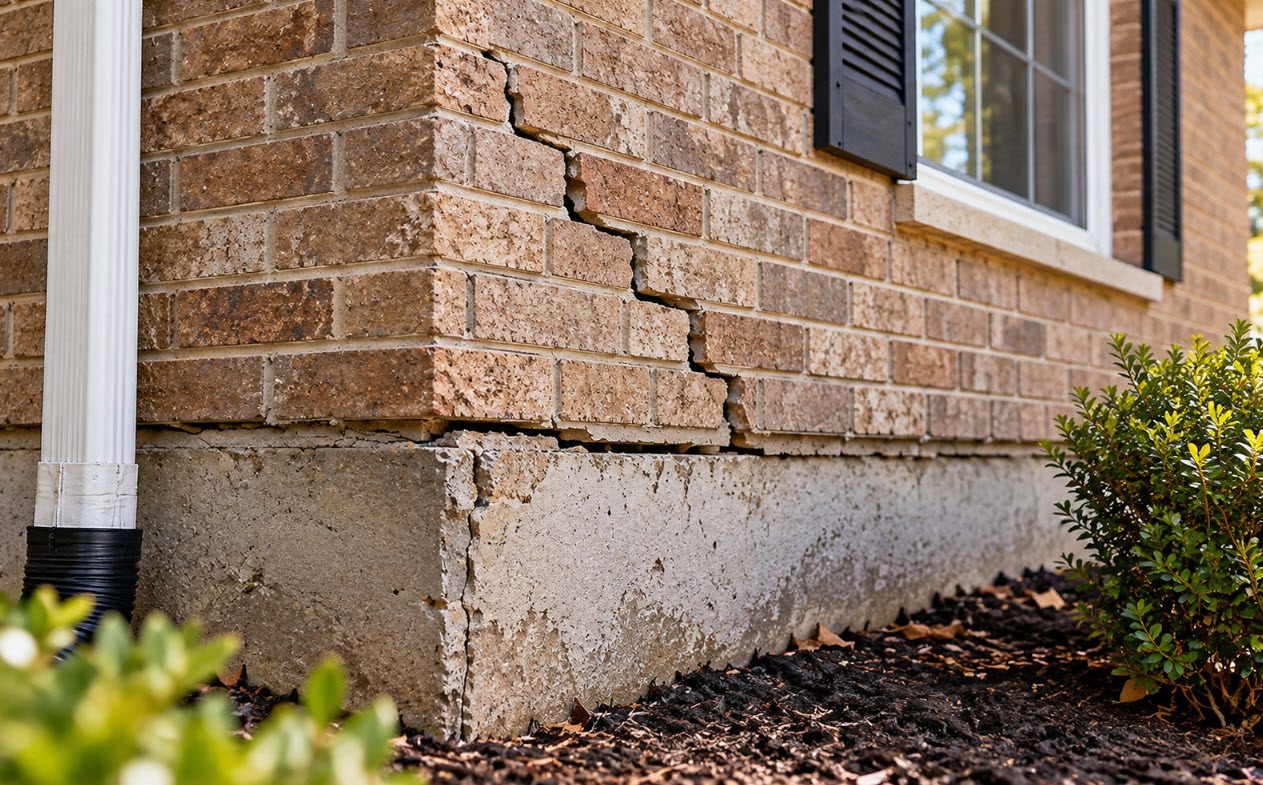
In block walls, cracks that zigzag along the mortar joints like a staircase usually point to movement, often settlement at one end of the wall or a corner that's shifting. In poured walls, the same forces create diagonal cracks running from a corner or window. We look for matching signs above the basement, like sticking doors or cracks in drywall and brick, to understand what's moving and why before recommending a repair.
Why It Happens
Common Causes of Cracked Foundation Walls in Wisconsin
- Soil Pressure & Ground MovementWet clay swells and freezes against basement walls, pushing until something gives. Severe cases lead to bowing walls.
- Foundation SettlementWhen soil under a footing compresses or washes out, the wall above it cracks. Learn about settling foundation repair.
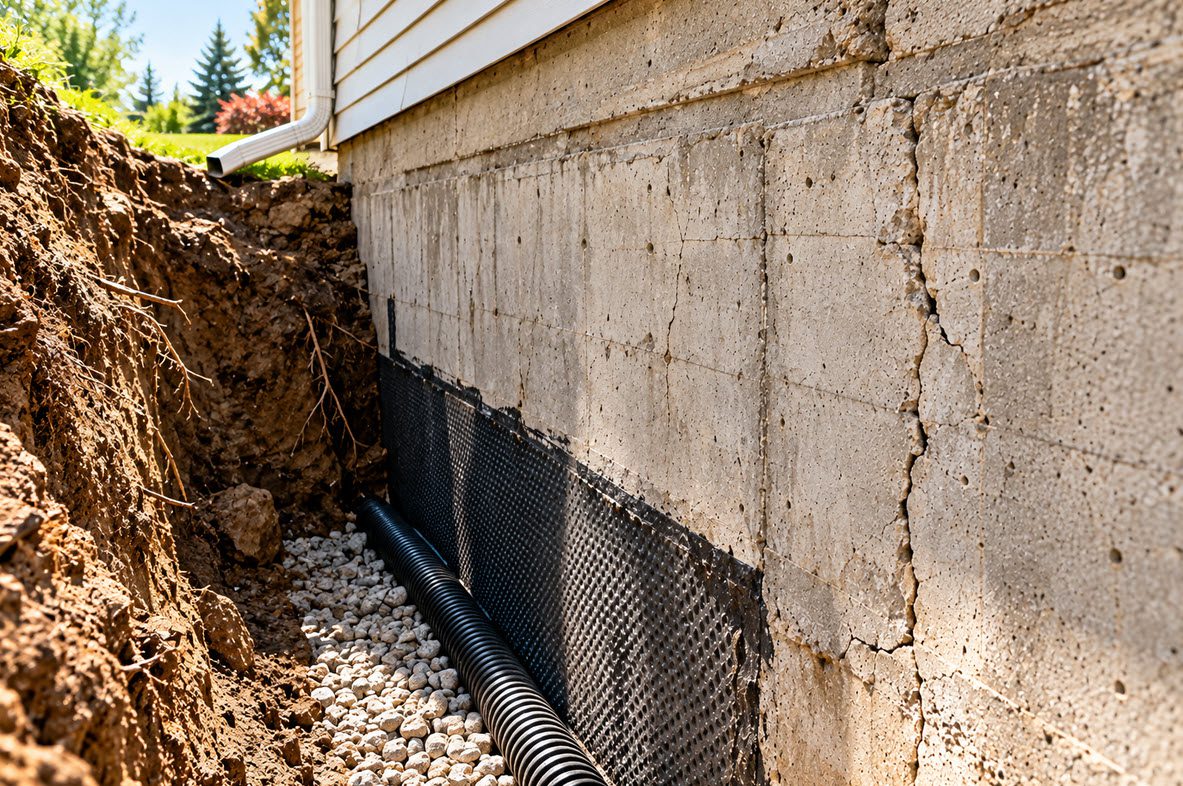
- Water & Drainage ProblemsShort downspouts and failed drain tile keep the soil saturated and the pressure high. See basement waterproofing.
- Concrete Shrinkage & AgingConcrete shrinks as it cures, and older walls weaken as mortar softens over decades.
Signs Your Foundation Cracks May Need Attention
- Cracks that are widening or changing
- Horizontal cracks in concrete block walls
- Cracks with bowing or bulging nearby
- Water leaking through a crack
- Uneven floors or sticking doors and windows
- One side of the crack pushed past the other
Not Sure Whether Your Foundation Crack Is Serious?
Let our experienced team inspect the problem and explain your options.
How We Fix It
Professional Cracked Foundation Wall Repair
Foundation Crack Injection & Sealing
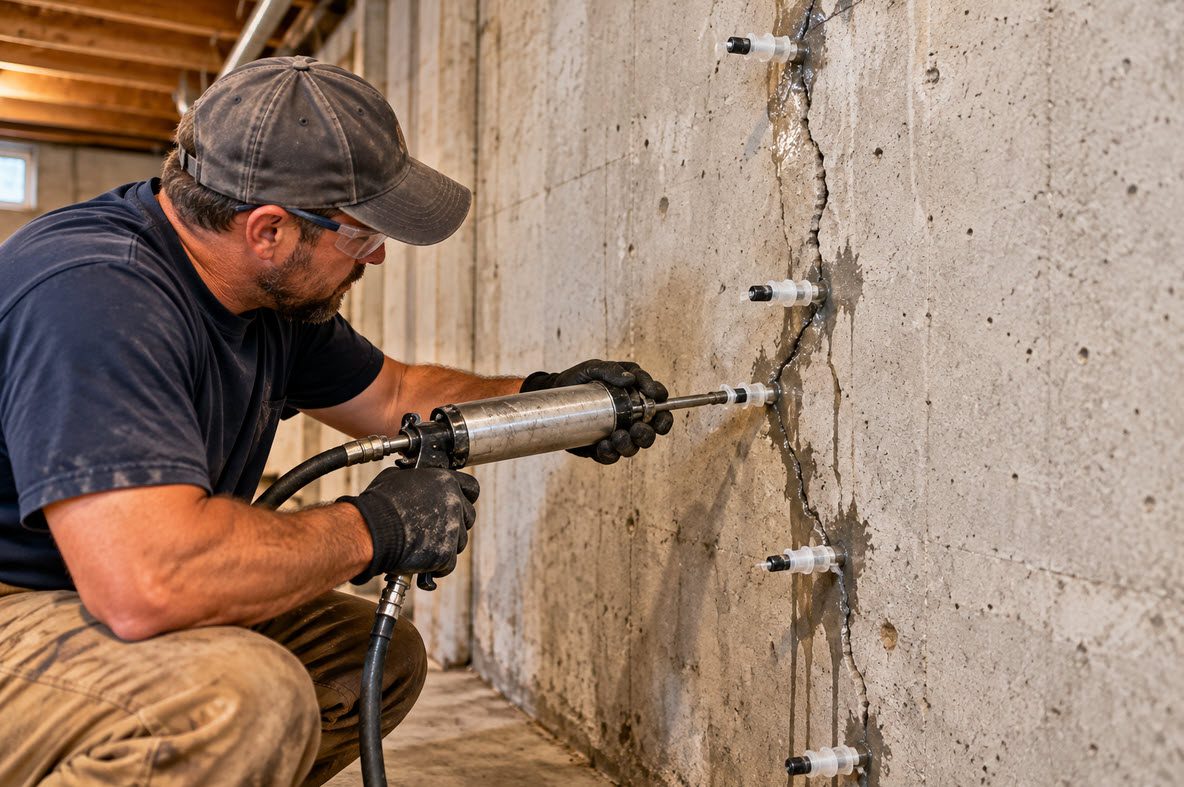
For leaking cracks in poured concrete walls, injection is often the most effective fix. Injection ports are set along the crack, the surface is sealed and the material is pumped in under pressure until it fills the crack through the full thickness of the wall. That closes the path water was using to get in.
The material we use depends on the crack and the goal of the repair. Injection is designed to stop leaks, so if a crack is caused by a wall that's still moving, we'll address the movement too.
Structural Crack Repair
When a crack is the result of soil pressure, settlement or a wall that's moving, sealing it only hides the symptom. The repair has to deal with what's causing it.
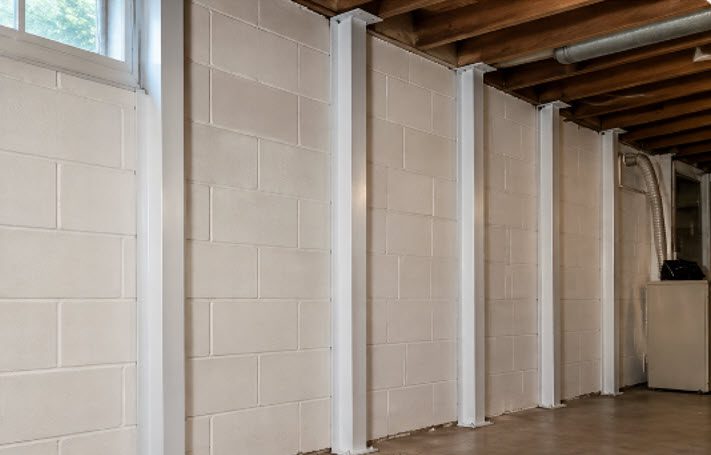
Depending on what we find, that may mean steel wall braces for a bowing wall, stabilization for a settling foundation or excavating and straightening a wall that has moved too far. We'll explain exactly why we're recommending it before any work begins.
Leaking cracks are typically sealed with injection through the full thickness of the wall. Cracks tied to movement need the movement addressed first.
Cracks follow the mortar joints. Horizontal or stair-step cracks often mean the wall is moving and may need reinforcement, not just patching.
Cracks run through softened mortar. Repairs usually combine repointing with drainage, and stabilization if a section is bulging.
What to Expect
Our Foundation Crack Repair Process
- 01InspectWe examine every crack and the walls, floors and exterior around them.
- 02DiagnoseWe determine what's causing the crack and how serious it is.
- 03RecommendYou get a plain-English explanation and a written estimate.
- 04RepairWe complete the agreed repair and clean up when we're done.
Foundation Crack Questions
Cracked Foundation Wall FAQs
Are vertical cracks in poured concrete walls normal?
Yes, they're very common. Most vertical cracks form as the concrete cures and shrinks. They usually aren't structural, but they can let water in. If a vertical crack leaks, gets wider or is noticeably wider at one end, have it inspected.
What does a horizontal crack in a basement wall mean?
It often means soil pressure from outside is pushing on the wall, especially in concrete block. Horizontal cracks are frequently the first sign of a bowing wall, so they should be checked for movement.
Can foundation cracks cause basement leaks?
Yes. Cracks are one of the most common ways water gets into a basement, especially when the soil outside is saturated after heavy rain or snowmelt.
How can I tell if a crack is getting worse?
Mark the ends of the crack with a pencil and date it, and take a photo with a ruler or coin for scale. If it grows past your marks, widens or starts leaking, it's active and should be inspected.
Can a cracked concrete block wall be repaired?
Yes. The right repair depends on why it cracked. Mortar-joint cracks from minor settling may only need sealing, while horizontal or stair-step cracks from wall movement usually need reinforcement.
What's the difference between epoxy and polyurethane injection?
Epoxy bonds the two sides of a crack together and is generally used when restoring strength matters. Polyurethane expands to fill the crack and is generally used to stop water. We'll recommend the material that fits your crack.
Will sealing a crack stop it from coming back?
Sealing stops water from getting through, but if the wall is still moving, the crack can reopen or new ones can form. That's why we check for movement before recommending a repair.
Do Wisconsin's freeze-thaw cycles cause cracking?
They contribute. Frozen soil expands against basement walls every winter, and repeated cycles add pressure that can open new cracks or widen existing ones.
When does a crack need structural repair?
When it's part of wall movement: horizontal cracks with bowing, stair-step cracks with a shifting corner, or cracks with one side displaced. Structural cracks need the cause addressed, not just the crack sealed.
Should I have foundation cracks inspected before selling my home?
It's a good idea. Cracks usually come up in a buyer's inspection, and Wisconsin sellers must disclose defects they know about. Knowing what you're dealing with lets you decide whether to repair before listing.
Thousands of Wisconsin Homeowners Have Trusted Their Foundations to American Foundation Specialists.
“Jayme and Scott came out on an urgent call today. Although there was no foundation issue, they correctly diagnosed a plumbing issue… I highly recommend their professional and friendly service.”
“The team at American Foundation did a great job installing steel beams to brace one of our basement walls… The work looks great and they did good cleaning up afterwards.”
“We worked with Lyle. He was great to work with, explained everything that needed to be done… Fair price and excellent work.”
Related Repairs
Related Foundation Repair Services
 Bowing & Bulging Walls
 Settling Foundations
Don't Wait for a Small Problem to Become a Bigger One.
Let's Find Out What's Happening With Your Foundation.
Tell us what you're seeing. We'll inspect the problem, explain what's causing it and help you understand your repair options.
American Foundation Specialists — Protecting Wisconsin Homes for 80 Years.