American Foundation Specialists | Sidewalk Concrete Leveling to Eliminate Trip Hazards: Professional Methods and Safety Solutions

Sidewalks are essential for pedestrian safety, but uneven surfaces can create significant trip hazards. Sidewalk concrete leveling is a professional method used to restore the surface of sidewalks, ensuring they are safe and accessible. This article will explore various methods of sidewalk leveling, the safety solutions they provide, and best practices for implementation. By understanding the causes of sidewalk unevenness and the benefits of professional leveling, property owners can make informed decisions to enhance safety and reduce liability. We will also discuss the importance of inspections and how they can prevent future hazards.

Professional Methods

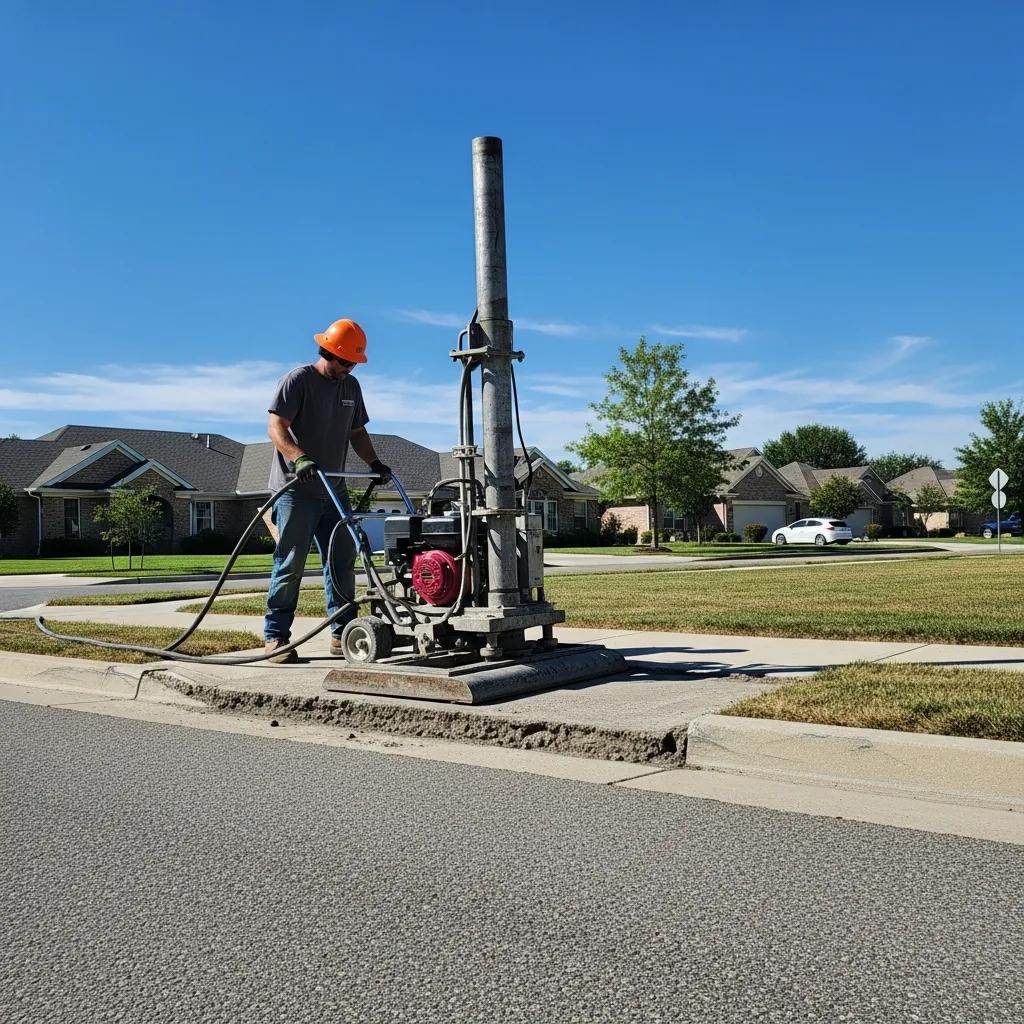
Sidewalk concrete leveling involves several professional methods designed to restore the surface and eliminate trip hazards. The most common techniques include mudjacking and polyurethane foam injection.

Mudjacking, also known as slab jacking, involves injecting a mixture of cement and other materials beneath the concrete slab to raise it back to its original position. This method is effective for addressing significant settling issues and is often more cost-effective than complete replacement.

Polyurethane foam injection is a newer technique that uses high-density foam to lift and stabilize the concrete. This method is lightweight, quick to install, and provides excellent long-term results. Both methods are effective in restoring the integrity of sidewalks and ensuring pedestrian safety.

The effectiveness of polyurethane foam in addressing settled concrete slabs is well-documented, offering several advantages over traditional methods.

Polyurethane Foam for Sidewalk Leveling & Subgrade Stabilization

After several years of service, concrete pavement slabs tend to settle due to weak subgrade or erosion of the subgrade soil. Different treatment techniques have been used to rectify the problem. In recent years, high-density polyurethane (HDP) foams were introduced on concrete pavements after their success in leveling settled sidewalks and building bases/foundations. Compared to other traditional slabs jacking/stabilization material, HDP foams are cost-effective, their installation requires shorter lane closure times and protects the subgrade from subsurface water infiltration by filling the voids.

Evaluation of the performance of polyurethane foams in rigid pavement preservation, M Fortunatus, 2018

Safety Solutions
American Foundation Specialists | Sidewalk Concrete Leveling to Eliminate Trip Hazards: Professional Methods and Safety Solutions

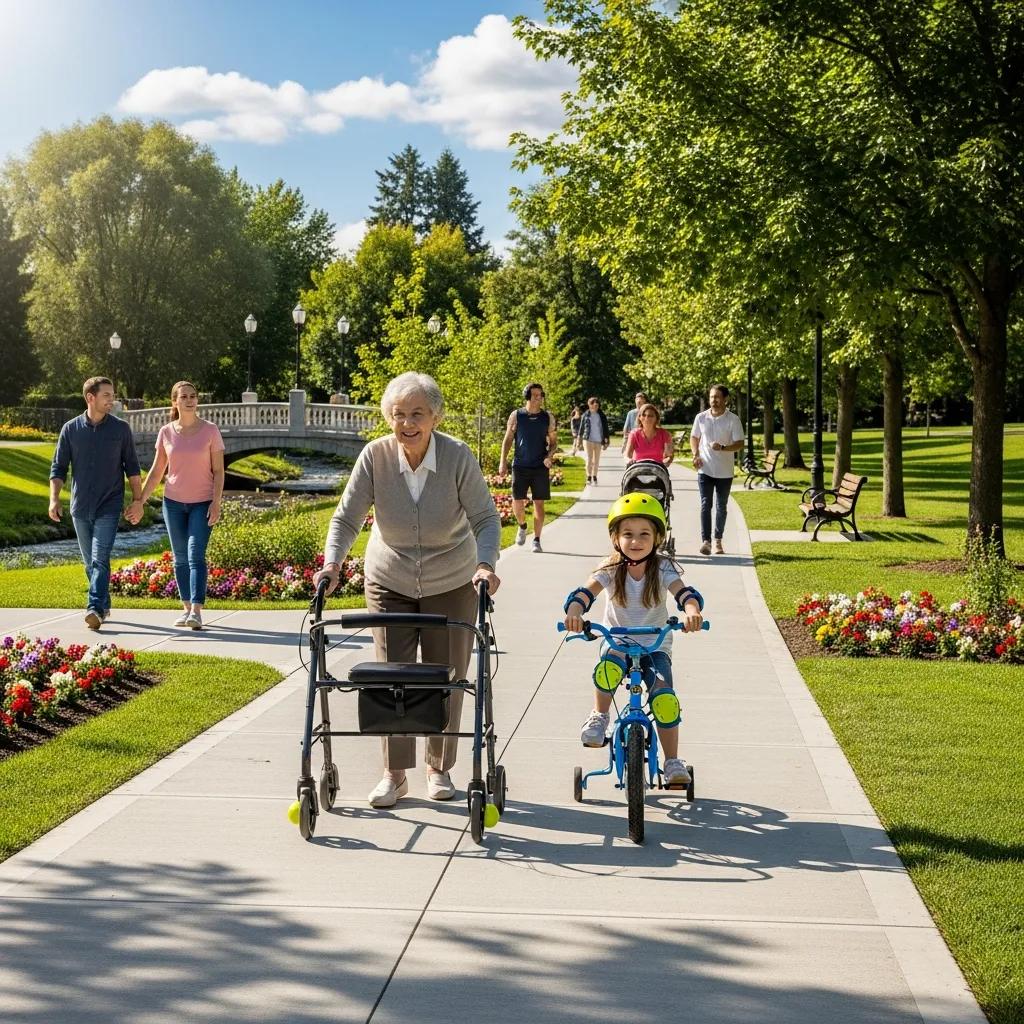
Leveling sidewalks not only improves aesthetics but also significantly enhances safety. Uneven sidewalks can lead to trip hazards, which pose risks for pedestrians, especially the elderly and those with mobility issues. By eliminating these hazards, property owners can create a safer environment for everyone.

Additionally, proper sidewalk leveling can improve drainage, preventing water accumulation that can lead to ice formation in colder months. Professional execution of these methods ensures that the work is done correctly, reducing the likelihood of future issues and enhancing overall safety.

For those seeking reliable sidewalk leveling services, American Foundation Specialists offers expert solutions tailored to the needs of Southeastern Wisconsin residents. Their services include foundation stabilization, basement waterproofing, and concrete leveling solutions.

Best Practices for Effective Implementation
American Foundation Specialists | Sidewalk Concrete Leveling to Eliminate Trip Hazards: Professional Methods and Safety Solutions

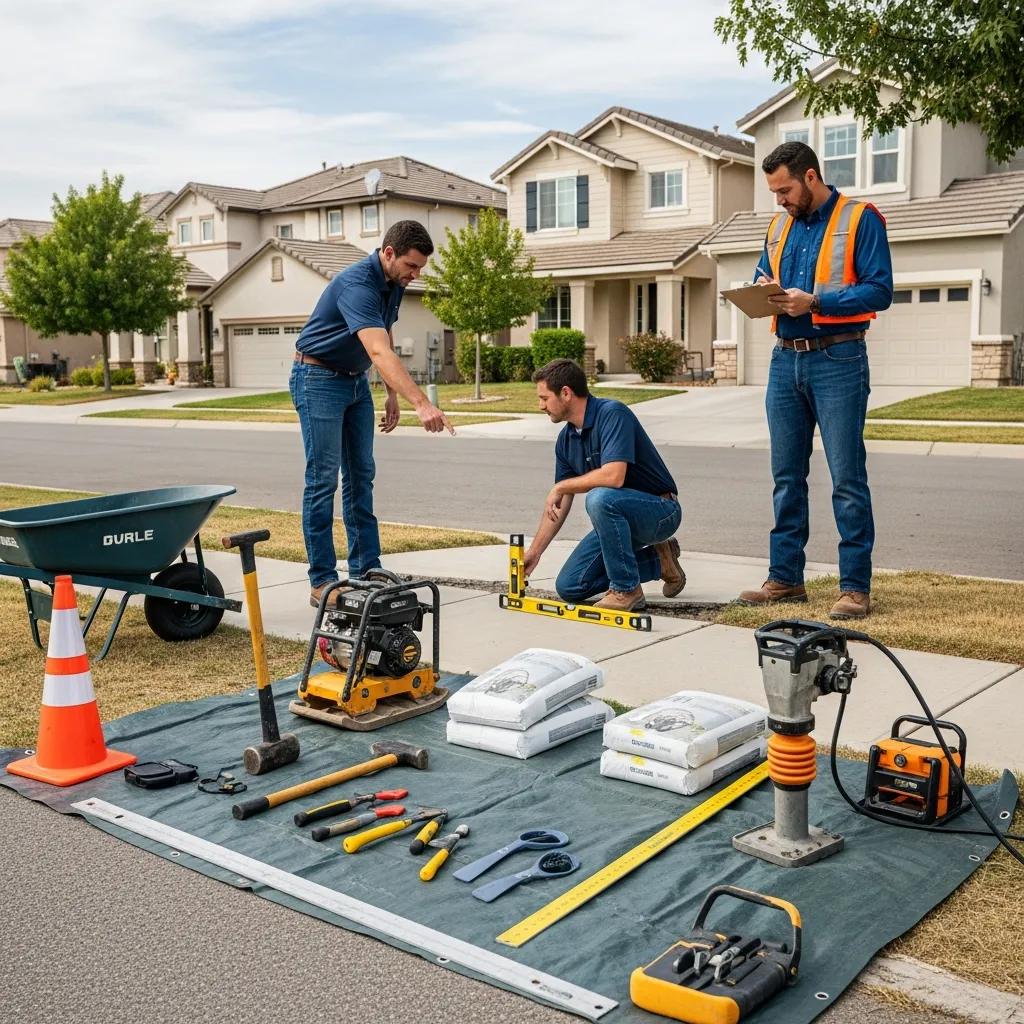
To ensure successful sidewalk leveling, several best practices should be followed:

  1. Assessment: Conduct a thorough evaluation of the sidewalk to identify areas of concern and determine the appropriate leveling method.
  2. Preparation: Clear the area of debris and ensure that the surface is clean before beginning the leveling process.
  3. Regular Inspections: Schedule periodic inspections to monitor the condition of the sidewalk and address any emerging issues promptly.

Implementing these practices can help maintain the integrity of sidewalks and prevent future trip hazards.

Longevity and Environmental Impact

The longevity of sidewalk leveling methods is crucial for ensuring long-term safety and cost-effectiveness. Mudjacking can last for several years, depending on soil conditions and the quality of materials used. Polyurethane foam injection typically offers even greater durability, as the foam expands and fills voids beneath the slab, providing a stable foundation.

From an environmental perspective, both methods can be considered eco-friendly. Mudjacking uses natural materials, while polyurethane foam is designed to be lightweight and reduce waste. Choosing sustainable methods for sidewalk leveling can contribute to a greener environment while ensuring pedestrian safety.

What Are the Primary Concrete Lifting Methods for Sidewalk Leveling?

The primary methods for sidewalk leveling include:

  • Mudjacking: Involves injecting a cement-based slurry beneath the slab to raise it.
  • Polyurethane Foam Injection: Uses high-density foam to lift and stabilize the concrete.

Both methods have their advantages, and the choice between them often depends on the specific conditions of the sidewalk and the desired outcome.

What Causes Sidewalk Unevenness and Trip Hazards?

Several factors contribute to sidewalk unevenness, including:

  • Soil Movement: Changes in soil moisture can cause soil to expand or contract, leading to settling.
  • Poor Drainage: Water accumulation can erode the soil beneath the sidewalk, resulting in uneven surfaces.
  • Environmental Influences: Freeze-thaw cycles can exacerbate cracking and shifting in concrete.

Understanding these causes is essential for effective prevention and remediation.

How Does Soil Settlement Affect Sidewalk Stability?

Soil settlement can significantly impact sidewalk stability. As soil shifts or erodes, it can create voids beneath the concrete slab, leading to cracks and uneven surfaces. Signs of soil settlement include visible cracks, uneven surfaces, and water pooling in certain areas. Addressing these issues promptly through professional leveling can prevent further damage and ensure the safety of pedestrians.

What Are Common Signs of Sidewalk Cracks and Damage?

Common signs of sidewalk damage include:

  • Cracks: Visible fissures in the concrete surface.
  • Uneven Surfaces: Areas where the sidewalk is raised or lowered compared to adjacent sections.
  • Puddles or Ice Patches: Accumulation of water that can freeze and create additional hazards.

Identifying these signs early can help property owners take action before the issues worsen.

How Does Sidewalk Concrete Leveling Improve Safety and Reduce Liability?

Sidewalk concrete leveling directly improves safety by eliminating trip hazards and ensuring a smooth walking surface. This proactive approach not only protects pedestrians but also reduces liability for property owners. By investing in professional leveling services, property owners can mitigate the risk of accidents and potential legal claims resulting from injuries caused by uneven sidewalks.

What Are the Legal Implications of Trip Hazard Sidewalk Solutions?

Property owners have a legal responsibility to maintain safe walking surfaces. Failure to address trip hazards can lead to liability claims if a pedestrian is injured. Regular inspections and timely repairs are essential to fulfill this responsibility and protect against potential lawsuits.

How Does Professional Inspection Prevent Future Sidewalk Hazards?

Professional inspections play a critical role in preventing future sidewalk hazards. By identifying underlying issues such as soil settlement or drainage problems, property owners can take proactive measures to address these concerns before they lead to significant damage. Regular inspections ensure that sidewalks remain safe and compliant with local regulations.

What Is the Typical Process and Cost for Sidewalk Concrete Leveling Services?

The typical process for sidewalk concrete leveling involves:

  1. Assessment: Evaluating the condition of the sidewalk.
  2. Preparation: Clearing the area and preparing for the leveling process.
  3. Execution: Implementing the chosen leveling method, whether mudjacking or polyurethane foam injection.

Costs for sidewalk leveling services can vary based on the method used and the extent of the work required. Property owners should consult with professionals to obtain accurate estimates tailored to their specific needs.

What Steps Are Involved in Sidewalk Crack Repair and Leveling?

The steps involved in sidewalk crack repair and leveling include:

  1. Assessment: Identifying the extent of the damage.
  2. Preparation: Cleaning the area and removing debris.
  3. Injection: Using the chosen method to fill cracks and raise the sidewalk.

Following these steps ensures a thorough and effective repair process.

How Do Costs Vary Between Mudjacking and Polyurethane Foam Methods?

Costs for sidewalk leveling can vary significantly between mudjacking and polyurethane foam methods. Generally, mudjacking tends to be more cost-effective, while polyurethane foam injection may have a higher upfront cost but offers longer-lasting results. Property owners should weigh the benefits and costs of each method to determine the best option for their needs.

Different sidewalk leveling methods provide unique benefits and considerations, making it essential for property owners to choose the right approach based on their specific circumstances.