
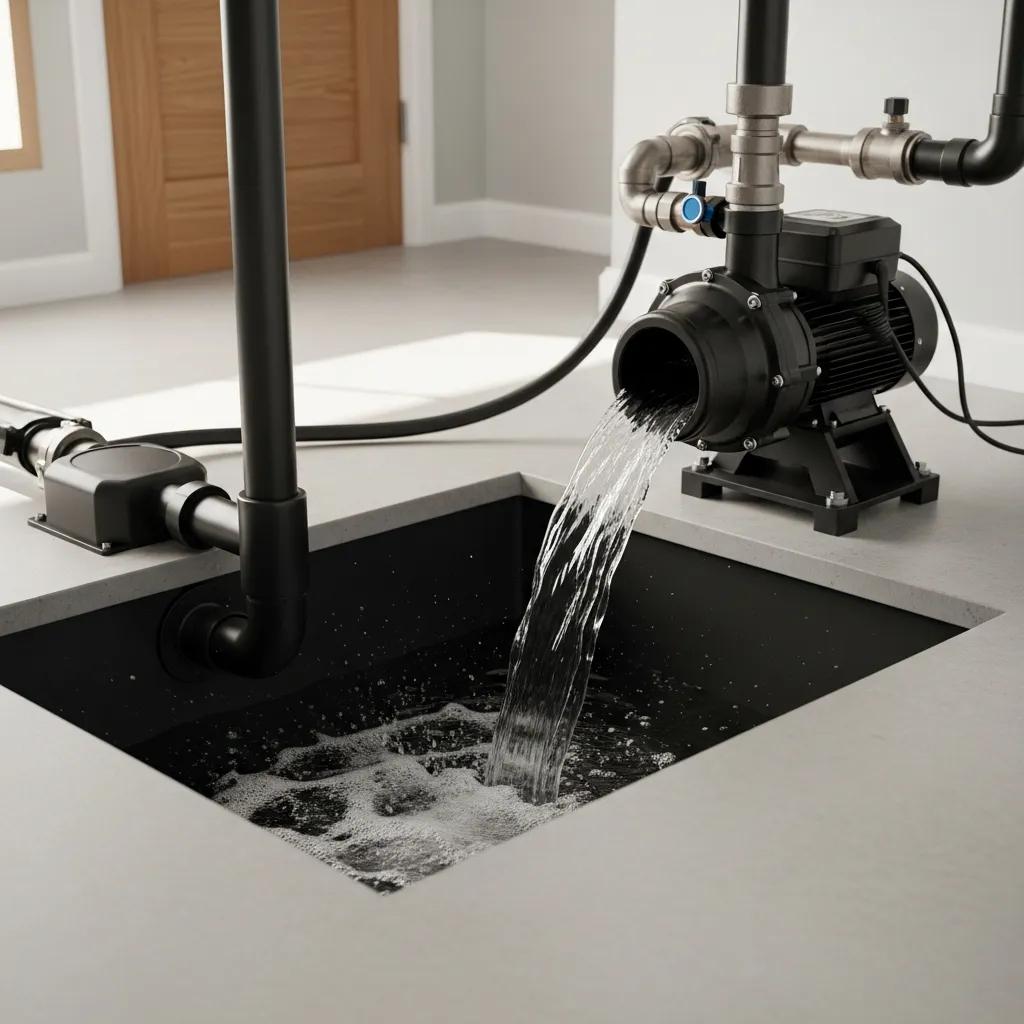
Installation Techniques
- Site Assessment: A thorough evaluation of the basement is essential to determine the best location for the sump pit and pump. This includes checking for existing drainage issues and assessing the water table level.
- Excavation: Once the site is assessed, the next step involves excavating a pit that is deep enough to accommodate the sump pump and allow for proper drainage.
- Pump Selection: Choosing the right sump pump is vital. Options include pedestal sump pumps, which are easier to maintain, and submersible sump pumps, which are more efficient in handling larger volumes of water.
Maintenance Best Practices
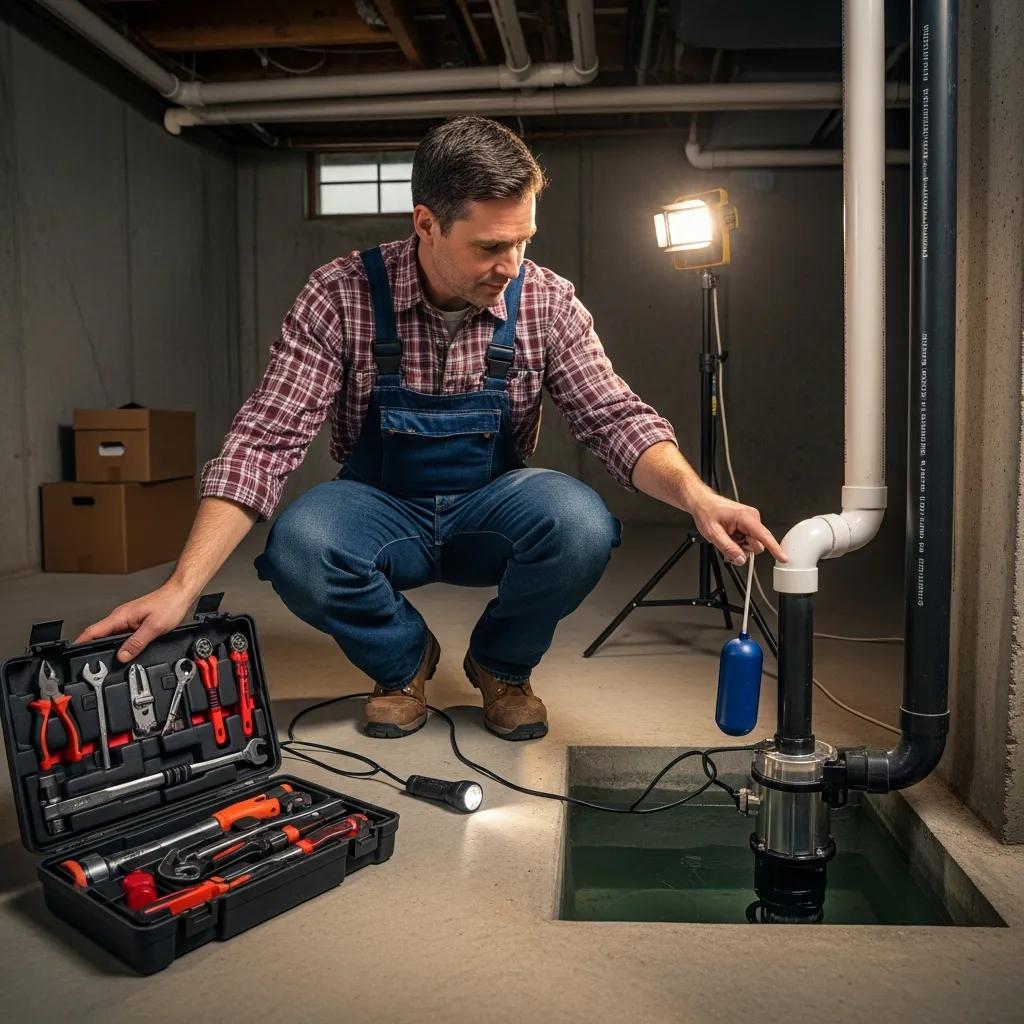
- Regular Inspections: Homeowners should inspect their sump pumps at least once a year to ensure they are functioning correctly. This includes checking the power source, float switch, and discharge pipe.
- Gutter and Downspout Maintenance: Keeping gutters and downspouts clear of debris helps direct water away from the foundation, reducing the load on the sump pump.
- Sump Pump Cleaning: Periodically cleaning the sump pit and pump can prevent clogs and ensure efficient operation. This involves removing any sediment or debris that may have accumulated.
Significance of Dependable Sump Pump Systems
- Flood Prevention: A dependable sump pump can prevent water from accumulating in the basement, which is essential for maintaining a dry and safe living environment.
- Backup Power Systems: Many modern sump pumps come equipped with battery backup systems, ensuring they continue to operate during power outages, which are common during severe storms.
- Capacity and Power Considerations: It is important to choose a sump pump with adequate capacity to handle the expected water influx. This ensures that the pump can operate effectively during heavy rainfall.
Types of Sump Pumps for Effective Basement Waterproofing
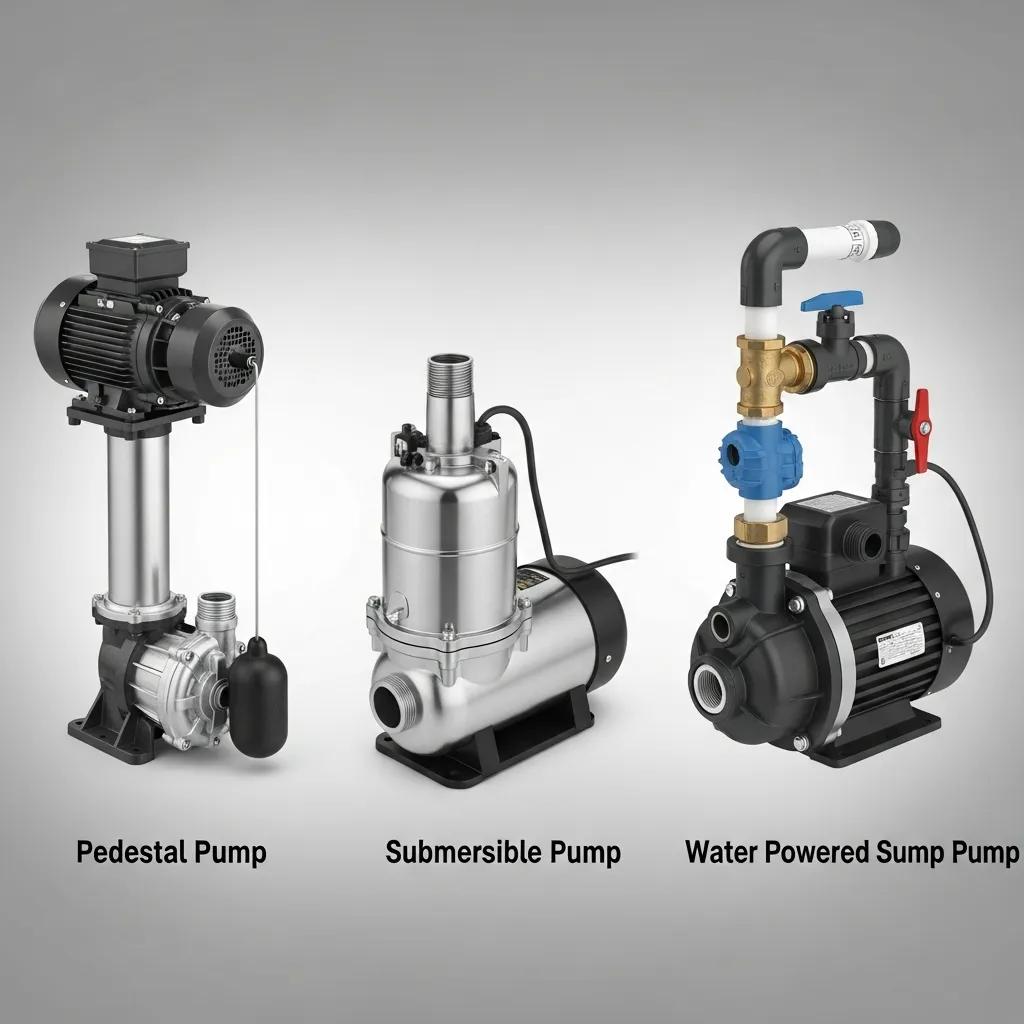
- Pedestal Sump Pumps: These pumps are mounted above the sump pit and are easier to access for maintenance. They are typically less expensive but may not be as powerful as submersible pumps.
- Submersible Sump Pumps: Designed to be submerged in water, these pumps are more efficient and can handle larger volumes of water. They are ideal for areas prone to heavy flooding.
- Water-Powered Sump Pumps: These pumps use the pressure of municipal water supply to operate, making them a reliable option during power outages.
How Do Battery Backup Sump Pumps Ensure Operation During Power Outages?
- Automatic Activation: Battery backup systems automatically activate when the primary pump fails or when there is a power outage, ensuring continuous operation.
- Components of Backup Systems: These systems typically include a battery, charger, and a secondary pump that works in conjunction with the primary sump pump.
- Maintenance Tips: Regularly checking the battery and ensuring it is fully charged is crucial for the reliability of the backup system.
What Are the Differences Between Pedestal and Submersible Sump Pumps?
- Design and Placement Differences: Pedestal pumps are installed above the sump pit, while submersible pumps are placed directly in the water. This affects their accessibility and maintenance.
- Performance and Maintenance: Submersible pumps generally offer better performance in terms of water removal capacity, while pedestal pumps are easier to maintain due to their above-ground design.
- Advantages and Disadvantages: Pedestal pumps are typically less expensive and easier to service, but submersible pumps are more efficient and can handle larger volumes of water.
How Is Professional Sump Pump Installation Conducted to Protect Foundations?
- Site Assessment: Professionals begin with a comprehensive assessment of the property to determine the best location for the sump pump and identify any potential drainage issues.
- Excavation and Installation: The installation process involves excavating a pit, placing the sump pump, and connecting it to the drainage system. This ensures that water is effectively removed from the basement.
- Testing and Maintenance: After installation, professionals conduct thorough testing to ensure the system operates correctly. Regular maintenance checks are also recommended to keep the system in optimal condition.
What Are the Key Steps in a Thorough Sump Pump Installation Process?
- Assessment of the Basement: Evaluating the basement's layout and existing drainage systems is the first step in determining the best installation approach.
- Choosing the Right Pump: Selecting a sump pump that meets the specific needs of the property is crucial. Factors to consider include the size of the basement and the expected water volume.
- Installation and Testing: The final steps involve installing the pump, connecting it to the drainage system, and conducting tests to ensure it operates correctly.
How Does Proper Installation Prevent Foundation Cracks and Basement Flooding?
- Water Removal Mechanisms: A well-installed sump pump effectively removes excess water from the basement, reducing the risk of flooding and water damage.
- Foundation Protection: By preventing water accumulation, sump pumps help protect the foundation from pressure and potential cracking caused by hydrostatic pressure.
- Mold and Mildew Prevention: Keeping the basement dry also helps prevent mold and mildew growth, which can pose health risks to occupants.
What Are the Recommended Maintenance Practices and Schedules for Sump Pumps?
- Inspection Frequency: Homeowners should inspect their sump pumps at least once a year, checking for any signs of wear or malfunction.
- Cleaning Tips: Cleaning the sump pit and pump regularly helps prevent clogs and ensures efficient operation. This should be done at least once a year.
- Signs of Potential Issues: Homeowners should be aware of signs indicating potential sump pump failure, such as unusual noises or the pump running continuously.
How Often Should Sump Pumps Be Inspected and Serviced?
- Monthly Inspections: Homeowners should conduct monthly checks to ensure the pump is operating correctly, especially during heavy rainfall seasons.
- Annual Servicing: A professional service should be scheduled at least once a year to perform a thorough inspection and maintenance of the system.
- Lifespan Considerations: Understanding the expected lifespan of a sump pump can help homeowners plan for replacements and avoid unexpected failures.
What Are Common Signs of Sump Pump Failure and How to Address Them?
- Strange Noises: Unusual sounds, such as grinding or rattling, may indicate mechanical issues that require attention.
- Constant Running: If the sump pump runs continuously, it may be a sign of a malfunction or that the float switch is stuck.
- Failure to Start: If the pump does not activate when water levels rise, it may need repairs or replacement.
What Are the Typical Costs and Financing Options for Sump Pump Replacement and Maintenance?
- Typical Cost Range: The cost of sump pump installation can vary widely, typically ranging from $500 to $1,500, depending on the type of pump and installation complexity.
- Factors Affecting Costs: Factors such as the size of the basement, the type of sump pump, and any additional drainage work required can influence the overall cost.
- Financing Options: Many companies offer financing options to help homeowners manage the costs associated with sump pump installation and maintenance.