
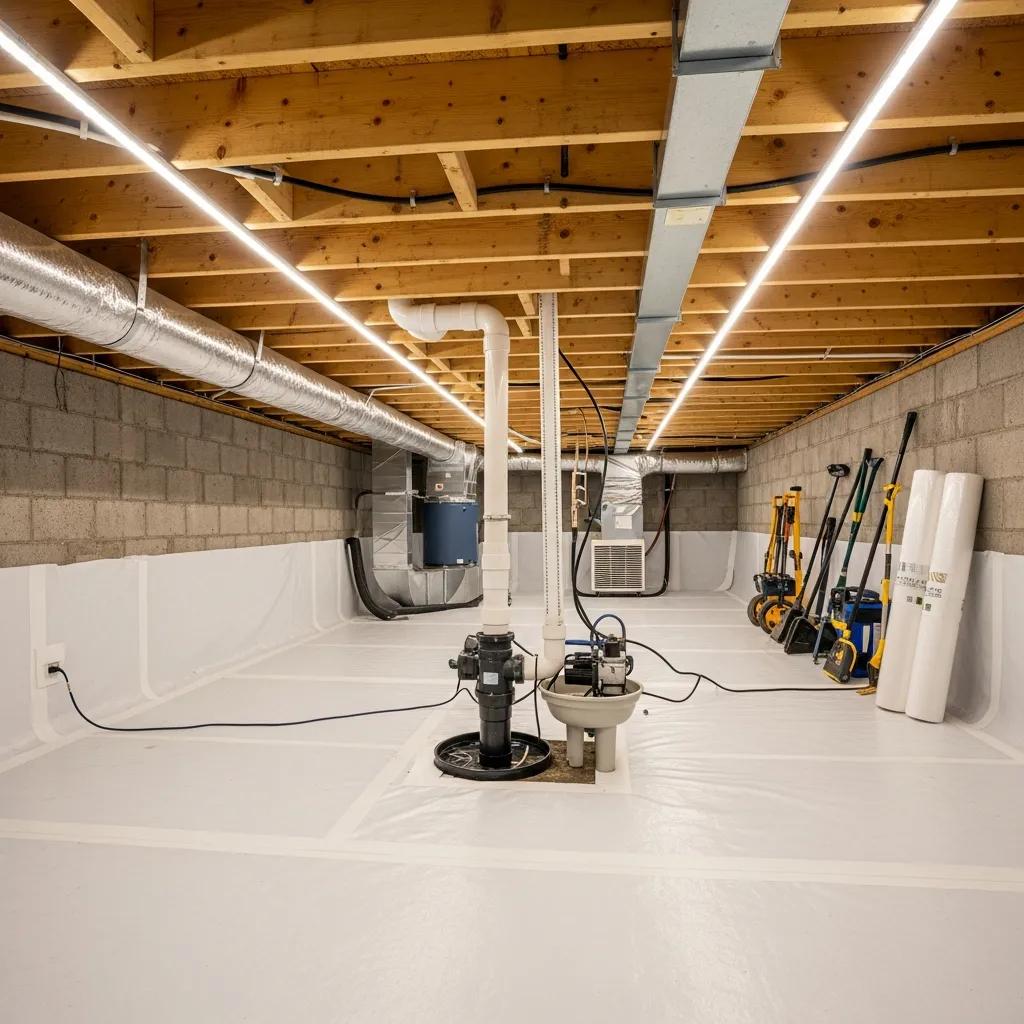
What Are the Essential Crawl Space Moisture Control and Waterproofing Techniques?
- Interior Drainage Systems: These systems collect and redirect water away from the crawl space, preventing accumulation and potential flooding.
- Sump Pump Installation: A sump pump is crucial for removing excess water that may enter the crawl space, ensuring it remains dry and free from moisture-related issues.
- Sealing Cracks: Addressing any visible cracks in the foundation or walls helps to prevent water intrusion, which can lead to significant damage over time.
How Does Moisture Barrier Installation Prevent Structural Damage?
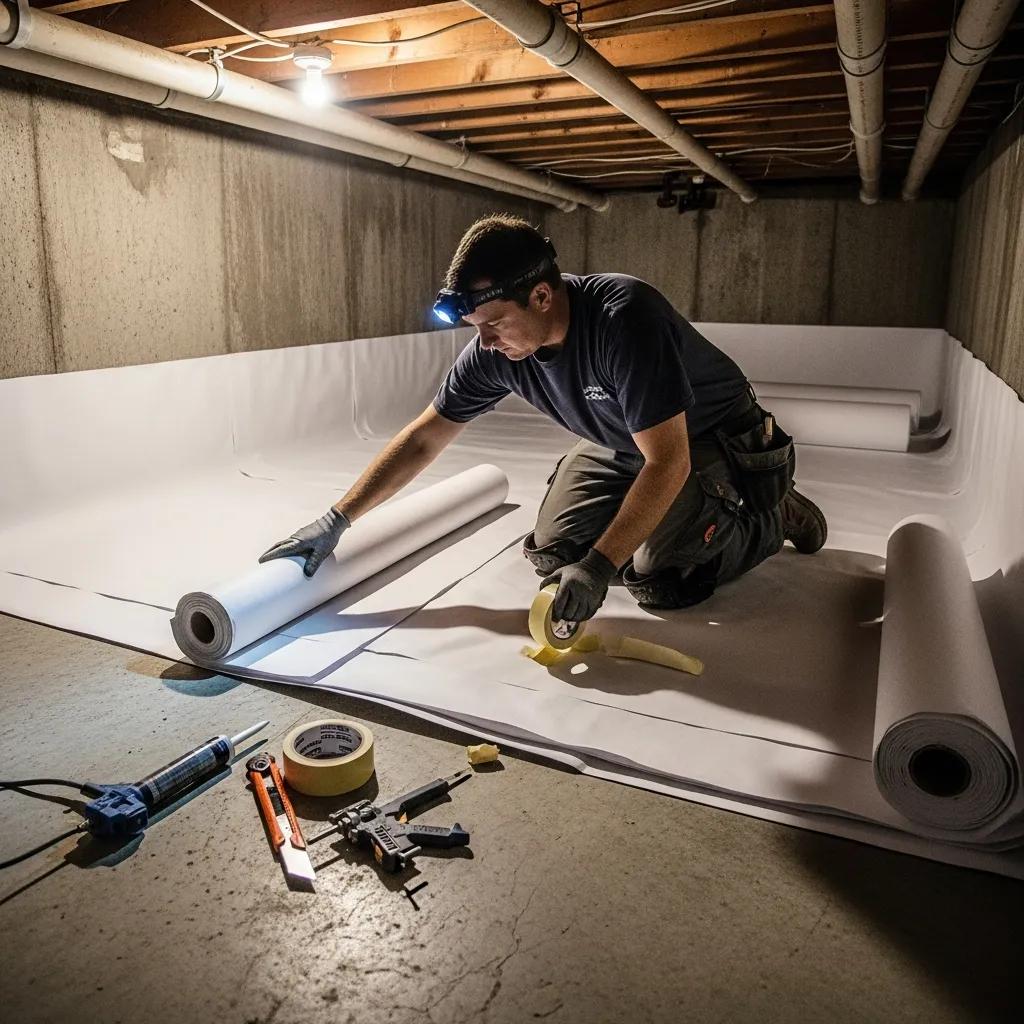
- Preventing Water Intrusion: They block moisture from the ground, reducing the likelihood of water pooling and flooding.
- Reducing Mold Growth: A dry environment inhibits mold development, which can compromise air quality and lead to health issues.
- Protecting Structural Integrity: By keeping the crawl space dry, moisture barriers help prevent wood rot and other forms of structural damage.
What Are the Best Practices for Crawl Space Ventilation Systems?
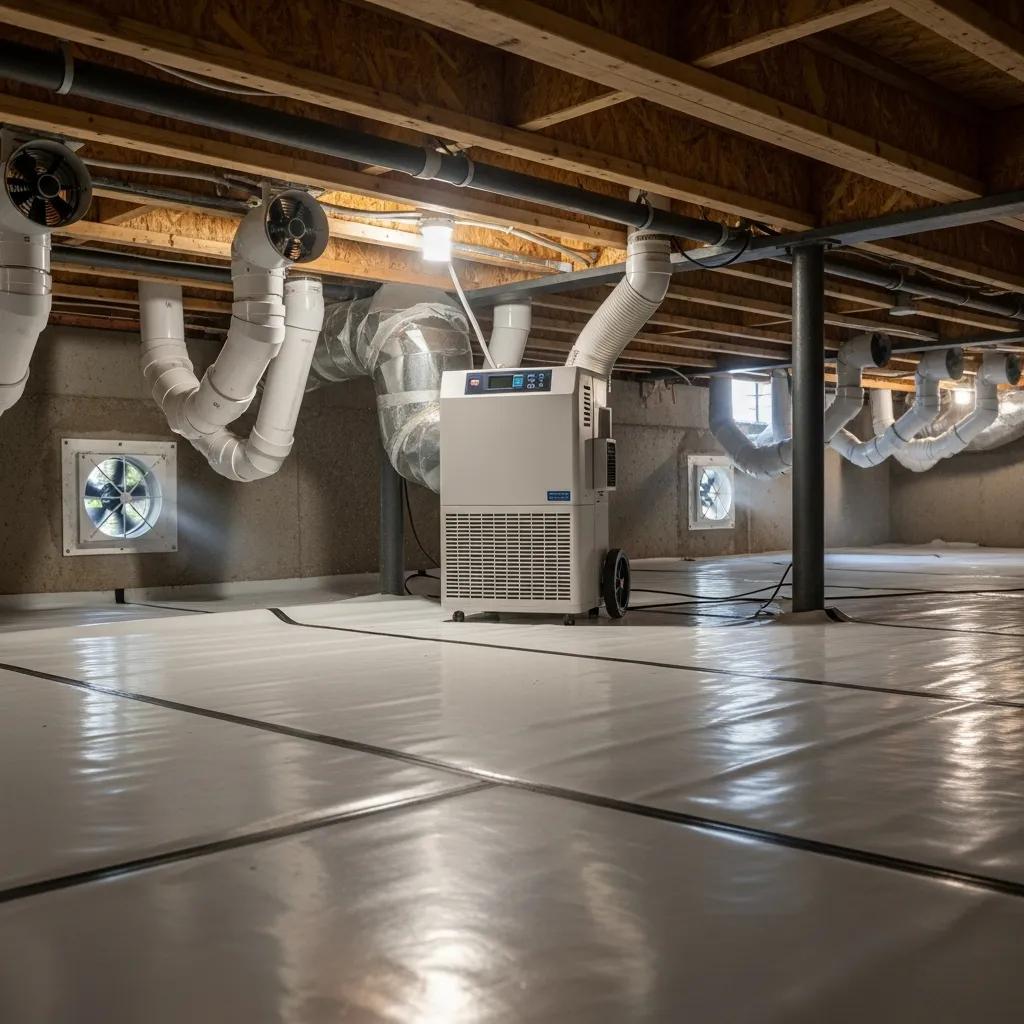
- Use of Dehumidifiers: Installing dehumidifiers can help control humidity levels, ensuring that the air remains dry and free from excess moisture.
- Regular Inspections: Conducting routine inspections of the ventilation system ensures that it is functioning correctly and that there are no blockages or issues.
- Proper Sealing: Sealing vents when not in use can prevent outside air from entering, which can introduce humidity and pollutants.
How to Identify Signs of Crawl Space Damage and Foundation Issues?
- Visible Cracks: Cracks in the foundation or walls can signal structural issues that need immediate attention.
- Uneven Floors: If floors above the crawl space are uneven, it may indicate shifting or settling of the foundation.
- Water Pooling: Accumulation of water in the crawl space is a clear sign of moisture intrusion that requires prompt action.
What Are Common Indicators of Moisture Intrusion and Mold Growth?
- Damp Spots: Areas of moisture on walls or floors indicate potential water intrusion.
- Musty Odors: A persistent musty smell often signals mold presence, which thrives in damp environments.
- Visible Mold: The appearance of mold on surfaces is a clear indication of excessive moisture and requires immediate remediation.
Crawl Space Moisture Control: Preventing Mold & Indoor Air Pollution
The relative humidity of the air in crawl spaces is the most critical factor concerning mould growth in the structures of a crawl space. Possible contamination in the crawl space might be transported indoors if the pressure inside the apartment is lower. The objective of the study was to find out the important properties of ground covers and the optimal air change rates for the controlling of moisture conditions in an outdoor air-ventilated crawl space in a cold climate and to estimate the acceptability of current moisture conditions in respect of material durability. In addition, factors affecting the transport indoors of possible pollutants from crawl spaces were studied.
Moisture and fungal spore transport in outdoor air-ventilated crawl spaces in a cold climate, M Airaksinen, 2003
How Does Crawl Space Damage Affect Foundation Stability?
- Soil Erosion: Excess moisture can erode the soil supporting the foundation, leading to instability.
- Foundation Shifts: As the soil erodes, the foundation may shift, resulting in cracks and structural damage.
- Costly Repairs: Repairing foundation issues can be expensive and time-consuming, making early intervention critical.
Essential Crawl Space Moisture Control and Waterproofing Methods
Sealed vs. Ventilated Crawl Spaces: Energy, Moisture & Air Quality Performance
ABSTRACT: This study compared the performance of closed crawl spaces, which had sealed foundation wall vents, a sealed polyethylene film liner and various insulation and drying strategies, to traditional wall-vented crawl spaces with perimeter wall vents and polyethylene film covering 100% of the ground surface. The study was conducted at 12 owner-occupied, all electric, single-family detached houses with the same floor plan located on one cul-de-sac in the southeastern United States. Using the matched pairs approach, the houses were divided into three study groups of four houses each. Comparative data was recorded for each house to evaluate sub-metered heat pump energy consumption, relative humidity, wood moisture content, duct infiltration, house infiltration, temperature, radon, and bioaerosol levels. Findings indicated that in the humid conditions of the southeastern United States, a properly closed crawl space is a robust construction measure that produces a substantially drier crawl space
A Field Study Comparison of the Energy and Moisture Performance Characteristics of Ventilated Versus Sealed Crawl Spaces in the South, 2005
- Improved Indoor Air Quality: Encapsulation reduces humidity and prevents mold growth, leading to cleaner air in the home.
- Moisture Control: By sealing off the crawl space, encapsulation effectively controls moisture levels, protecting the home from water damage.
- Preserved Structural Integrity: A dry and well-insulated crawl space helps maintain the structural integrity of the home, preventing issues related to wood rot and foundation damage.
How Does Encapsulation Reduce Mold-Related Health Risks?
- Minimizing Moisture: By sealing the crawl space, encapsulation prevents moisture from entering, thereby reducing the likelihood of mold development.
- Improving Air Quality: A drier environment leads to better air quality, which is crucial for the health of occupants, especially those with respiratory issues.
- Protecting Vulnerable Populations: Families with children, elderly members, or individuals with allergies benefit greatly from reduced mold exposure.
In What Ways Does Encapsulation Improve Home Energy Efficiency?
- Reduced Energy Costs: A well-insulated crawl space minimizes heat loss, leading to lower heating and cooling expenses.
- Improved HVAC Efficiency: Encapsulation helps HVAC systems operate more efficiently, as they do not have to work as hard to maintain comfortable temperatures.
- Enhanced Comfort: Homeowners often notice a more consistent temperature throughout the house, contributing to overall comfort.
What Are the Cost Considerations and Financing Options for Crawl Space Repair?
- Typical Cost Range: The cost for crawl space encapsulation services can vary widely based on the size of the space and the specific services required.
- Financing Solutions: Many companies offer financing options to help homeowners manage the costs of repairs, making it more accessible.
- Long-Term Savings: Investing in crawl space repair can lead to long-term savings by preventing costly damage and improving energy efficiency.
What Is the Typical Cost Range for Crawl Space Encapsulation Services?
Which Financing Solutions Are Available for Homeowners?
- Loan Options: Many companies offer financing through personal loans or home equity lines of credit.
- Payment Plans: Some service providers allow homeowners to pay for services in installments, making it more manageable.
- Grants and Assistance: Certain programs may offer grants or financial assistance for home repairs, particularly for low-income families.