American Foundation Specialists | Comprehensive Interior Basement Waterproofing Solutions: Drain Tile and Sump Pump Systems for Effective Water Damage Prevention

Interior basement waterproofing is essential for homeowners looking to protect their properties from water damage and maintain structural integrity. This article delves into the critical components of effective waterproofing solutions, focusing on drain tile systems and sump pump installations. Readers will learn how these systems function, their benefits, and best practices for installation and maintenance. Water intrusion can lead to significant foundation issues, making it crucial to understand how to prevent such problems effectively. We will explore the mechanics of drain tile systems, the various types of sump pumps, and the recommended maintenance practices to ensure long-lasting protection against moisture.

Understanding the underlying groundwater conditions is paramount for designing an effective basement waterproofing system.

Basement Waterproofing Design & Groundwater Assessment

of groundwater is also required to assess likely groundwater flow rates into external or internal (cavity) basement drains. Professional indemnity insurers and building warranty providers

Ground water assessment and the design of basement waterproofing, 2023

Drain Tile Systems:
American Foundation Specialists | Comprehensive Interior Basement Waterproofing Solutions: Drain Tile and Sump Pump Systems for Effective Water Damage Prevention

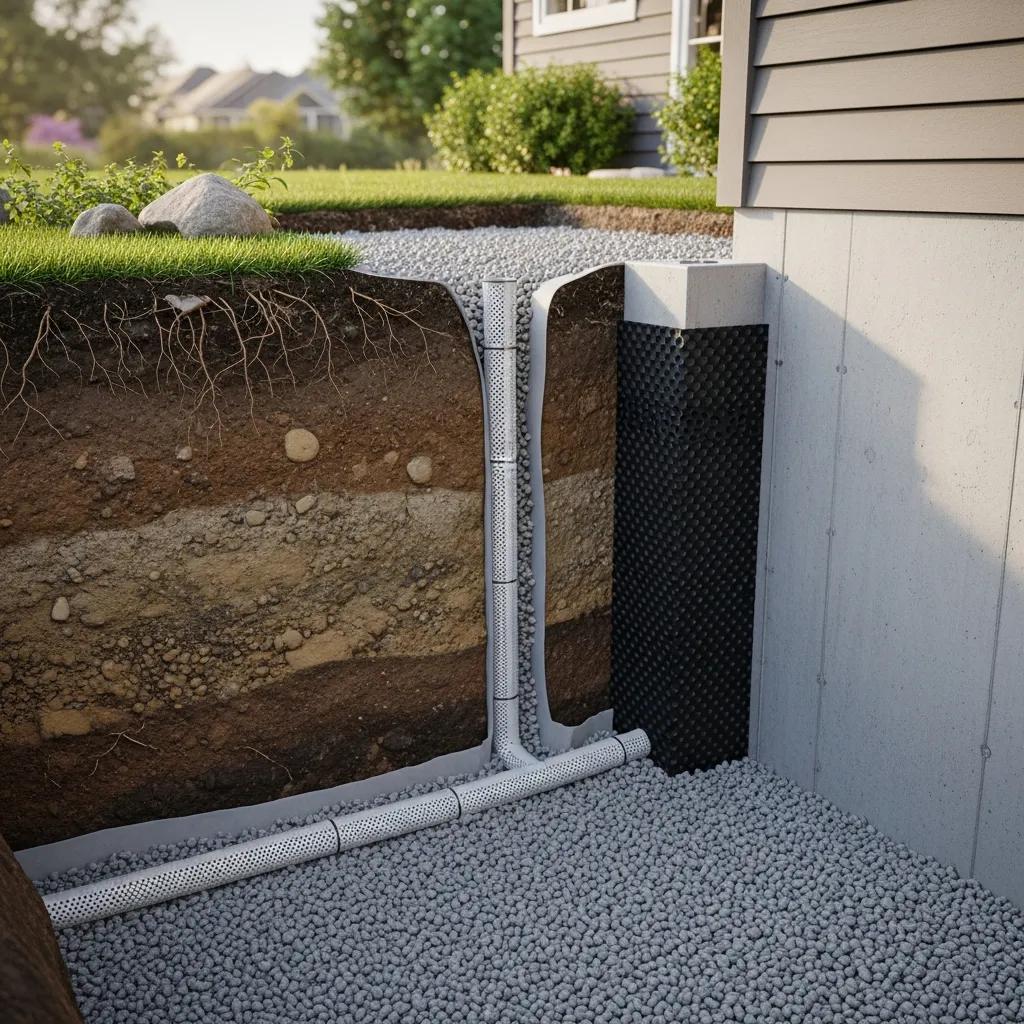
Drain tile systems are a vital component of interior basement waterproofing, designed to manage water intrusion effectively. These systems consist of perforated pipes installed around the foundation’s perimeter, which collect and redirect water away from the basement. By channeling water to a sump pump or drainage area, drain tile systems help prevent flooding and moisture buildup, ensuring a dry and safe environment. The effectiveness of these systems lies in their ability to mitigate water pressure against the foundation walls, reducing the risk of structural damage.

Function:

Drain tile systems function by utilizing perforated pipes that are strategically placed in a gravel bed around the foundation. As water accumulates around the foundation, it seeps into the perforated pipes, which then transport the water away from the structure. This process not only prevents water from entering the basement but also alleviates hydrostatic pressure that can lead to cracks and leaks in the foundation. The efficient redirection of water is crucial for maintaining a dry basement and protecting the overall integrity of the home.

Benefits:

The benefits of installing drain tile systems are numerous. First, they provide an effective solution for managing groundwater and preventing water intrusion. Second, they are relatively easy to install, especially when done by professional contractors. Third, drain tile systems significantly reduce the risk of mold and mildew growth, which can thrive in damp environments. By ensuring proper drainage, homeowners can maintain a healthier living space and protect their investment in the property.

Installation Best Practices:

To ensure the effectiveness of drain tile systems, following best practices during installation is essential. Engaging professional contractors with experience in waterproofing is highly recommended, as they can assess the specific needs of the property. Additionally, ensuring a proper slope for drainage is crucial; the pipes should be installed at a slight angle to facilitate water flow. Regular inspections after installation can help identify any potential issues early, ensuring the system continues to function optimally.

Sump Pump Systems:

American Foundation Specialists | Comprehensive Interior Basement Waterproofing Solutions: Drain Tile and Sump Pump Systems for Effective Water Damage Prevention

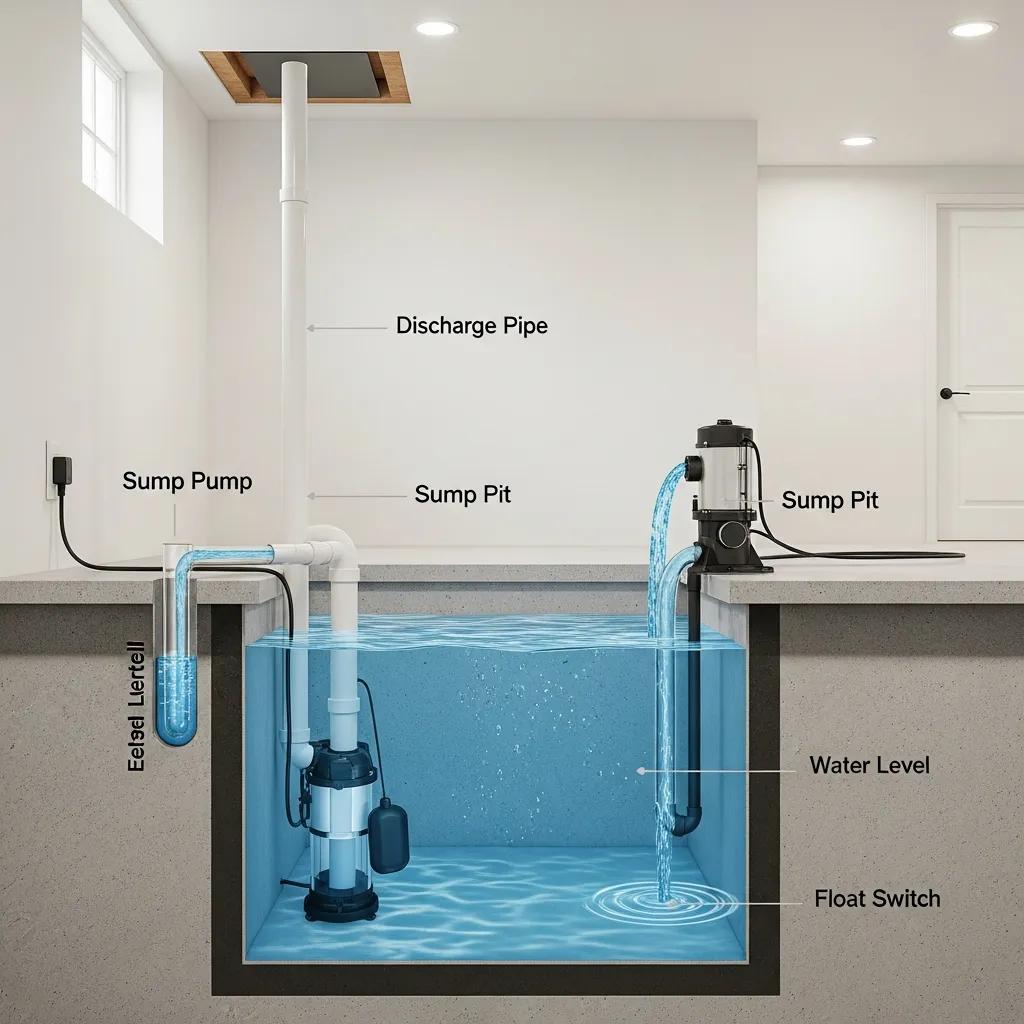
Sump pump systems play a critical role in interior basement waterproofing by removing excess water that may accumulate in the sump pit. These systems are designed to activate automatically when water levels rise, pumping out water to prevent flooding and water damage. Understanding the different types of sump pumps and their maintenance is essential for homeowners looking to safeguard their basements effectively.

Function:

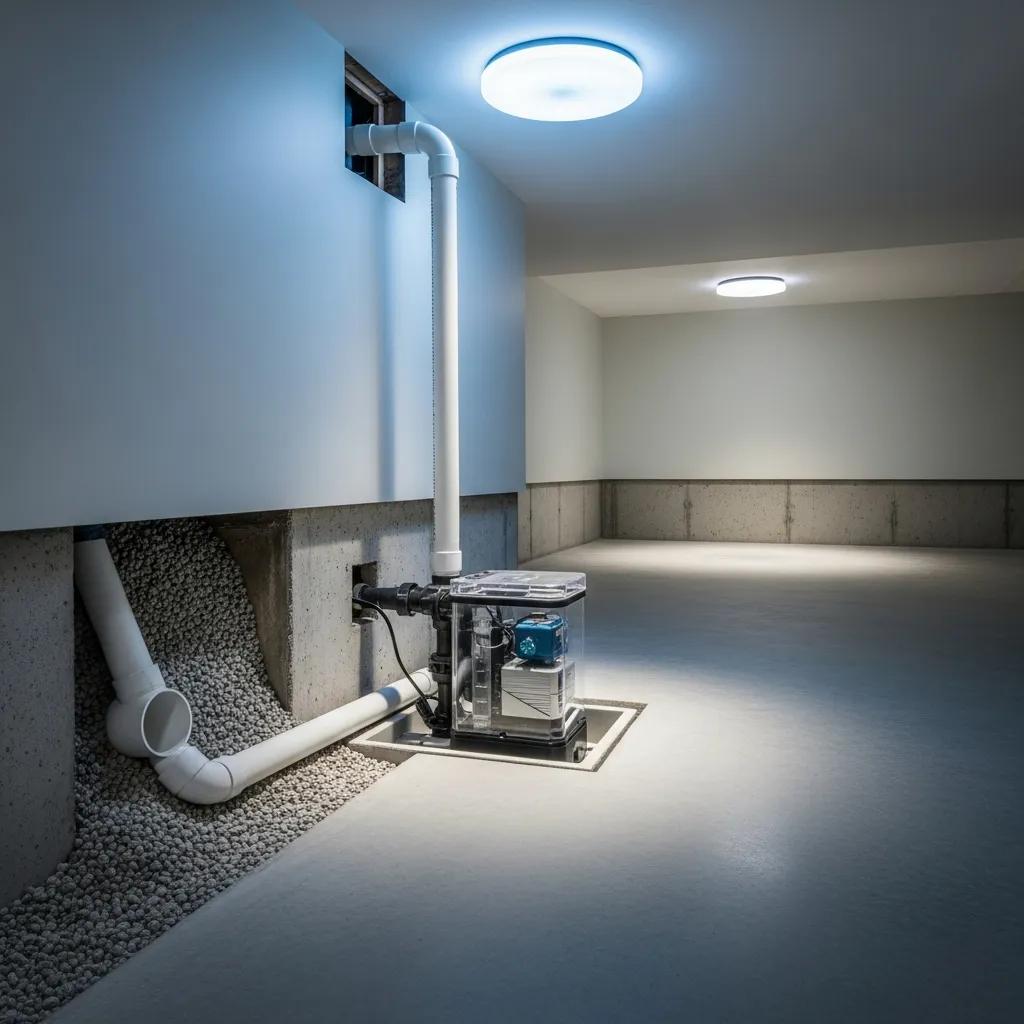
Sump pump systems operate by collecting water in a sump pit, which is typically located at the lowest point of the basement. When water levels rise, the sump pump activates, pumping the water out of the pit and away from the foundation. This mechanism is vital for preventing water from entering the basement and causing damage. The timely removal of excess water helps maintain a dry environment, reducing the risk of mold growth and structural issues.

Types:

There are two primary types of sump pumps: pedestal and submersible pumps. Pedestal pumps are mounted above the sump pit and use a long pipe to draw water from the pit, making them easier to service. Submersible pumps, on the other hand, are designed to be submerged in the water within the sump pit, providing a more compact solution. Each type has its advantages, and the choice depends on the specific needs of the basement and the homeowner’s preferences.

Maintenance Best Practices:

Regular maintenance of sump pump systems is crucial for ensuring their reliability. Homeowners should conduct monthly inspections to check for any signs of wear or malfunction. Cleaning the sump pit and removing debris can prevent clogs and ensure smooth operation. Additionally, testing the pump’s functionality by pouring water into the pit can help confirm that it activates correctly. Annual professional servicing is also recommended to address any potential issues and prolong the lifespan of the system.

Best Practices for Installation and Maintenance:

Implementing best practices for the installation and maintenance of waterproofing systems is essential for long-term effectiveness. Regular inspections and prompt repairs of minor issues can prevent more significant problems down the line. Homeowners should establish a maintenance schedule that includes checking drain tile systems and sump pumps to ensure they are functioning correctly. By prioritizing these practices, homeowners can protect their basements from water damage and maintain the structural integrity of their homes.

What Are the Key Components of Interior Basement Waterproofing Systems?

Key components of interior basement waterproofing systems include drain tile systems and sump pump installations. These elements work together to manage water intrusion effectively, ensuring a dry and safe environment. The integration of these systems is crucial for preventing water damage and maintaining the overall health of the basement. Understanding the importance of each component allows homeowners to make informed decisions about their waterproofing solutions.

How Do Drain Tile Systems Function to Prevent Basement Water Intrusion?

Drain tile systems function by collecting and redirecting water away from the foundation, preventing it from entering the basement. The perforated pipes installed around the foundation allow water to seep in and be transported to a sump pump or drainage area. This process alleviates hydrostatic pressure against the foundation walls, reducing the risk of leaks and structural damage. By effectively managing groundwater, drain tile systems play a vital role in maintaining a dry basement.

What Types of Sump Pumps Are Installed for Basement Waterproofing?

The two main types of sump pumps installed for basement waterproofing are pedestal and submersible pumps. Pedestal pumps are easier to service and are mounted above the sump pit, while submersible pumps are designed to operate underwater, providing a more compact solution. Each type has its advantages, and the choice depends on the specific needs of the basement and the homeowner’s preferences. Understanding the differences between these pumps can help homeowners select the best option for their waterproofing needs.

How Is Sump Pump Installation and Maintenance Conducted to Ensure Reliability?

Sump pump installation involves placing the pump in a sump pit at the lowest point of the basement, ensuring it is connected to a drainage system. Proper installation is crucial for the pump’s effectiveness in removing excess water. Maintenance practices include regular inspections, cleaning the sump pit, and testing the pump’s functionality. Homeowners should also consider annual professional servicing to address any potential issues and ensure the system operates reliably.

What Are the Recommended Maintenance Practices for Sump Pumps?

Recommended maintenance practices for sump pumps include:

  1. Monthly Inspections: Check for any signs of wear or malfunction.
  2. Cleaning the Sump Pit: Remove debris to prevent clogs and ensure smooth operation.
  3. Testing Functionality: Pour water into the pit to confirm the pump activates correctly.
  4. Annual Professional Servicing: Address potential issues and prolong the lifespan of the system.

By following these practices, homeowners can ensure their sump pumps remain effective in preventing water damage.

When Should Sump Pumps Be Replaced to Avoid Failure?

Sump pumps should be replaced when signs of wear become evident, such as unusual noises, failure to activate, or frequent cycling. Homeowners should also consider replacing their sump pumps every 5-7 years as a preventive measure, even if they appear to be functioning correctly. Regular maintenance and monitoring can help identify when a replacement is necessary, ensuring continued protection against water intrusion.

What Are the Common Causes and Signs of Foundation Water Damage?

Common causes of foundation water damage include poor drainage, heavy rainfall, and plumbing leaks. Signs to look for in basements include water stains on walls, dampness, and mold growth. Homeowners should be vigilant in monitoring these signs, as early detection can prevent more significant issues and costly repairs. Understanding the causes and signs of water damage is essential for maintaining a healthy and safe living environment.

How Does Basement Water Leakage Affect Structural Integrity?

Basement water leakage can significantly impact structural integrity by weakening foundation walls and leading to cracks and settling. Over time, persistent moisture can cause materials to deteriorate, resulting in costly repairs and potential safety hazards. Addressing water leakage promptly is crucial for maintaining the stability of the home and preventing long-term damage. Homeowners should prioritize waterproofing solutions to protect their properties from the adverse effects of water intrusion.

Which Foundation Repair Solutions Address Water Damage Effectively?

Effective foundation repair solutions for addressing water damage include both interior and exterior waterproofing methods. Interior solutions, such as drain tile systems and sump pumps, work to manage water intrusion from within the basement. Exterior solutions, like grading and drainage systems, help divert water away from the foundation. Understanding the various options available allows homeowners to choose the best approach for their specific needs.

How Do Professional Inspection and Repair Services Enhance Basement Waterproofing?

Professional inspection and repair services enhance basement waterproofing by providing expert assessments of the property’s needs. These services can identify potential issues that homeowners may overlook and recommend appropriate solutions. Common repair techniques include the installation of drain tile systems, sump pumps, and foundation repairs. Engaging professionals ensures that waterproofing systems are installed correctly and maintained effectively, providing peace of mind for homeowners.

What Is Included in a Comprehensive Basement Waterproofing Inspection?

A comprehensive basement waterproofing inspection typically includes an assessment of the foundation, drainage systems, and existing waterproofing measures. Inspectors will look for signs of water damage, evaluate the effectiveness of current systems, and recommend necessary repairs or upgrades. Homeowners can expect a thorough evaluation that addresses all aspects of basement waterproofing, ensuring their property is adequately protected against water intrusion.

How Do Repair Services Integrate Drain Tile and Sump Pump Systems?

Repair services integrate drain tile and sump pump systems by ensuring that both components work together seamlessly to manage water intrusion. Proper installation of drain tile systems directs water to the sump pump, which then removes excess water from the basement. This integration is crucial for maintaining a dry environment and preventing water damage. Understanding how these systems work together allows homeowners to make informed decisions about their waterproofing solutions.