
Soil Stabilization Techniques
Soil Stabilization & Grouting for Foundation Improvement
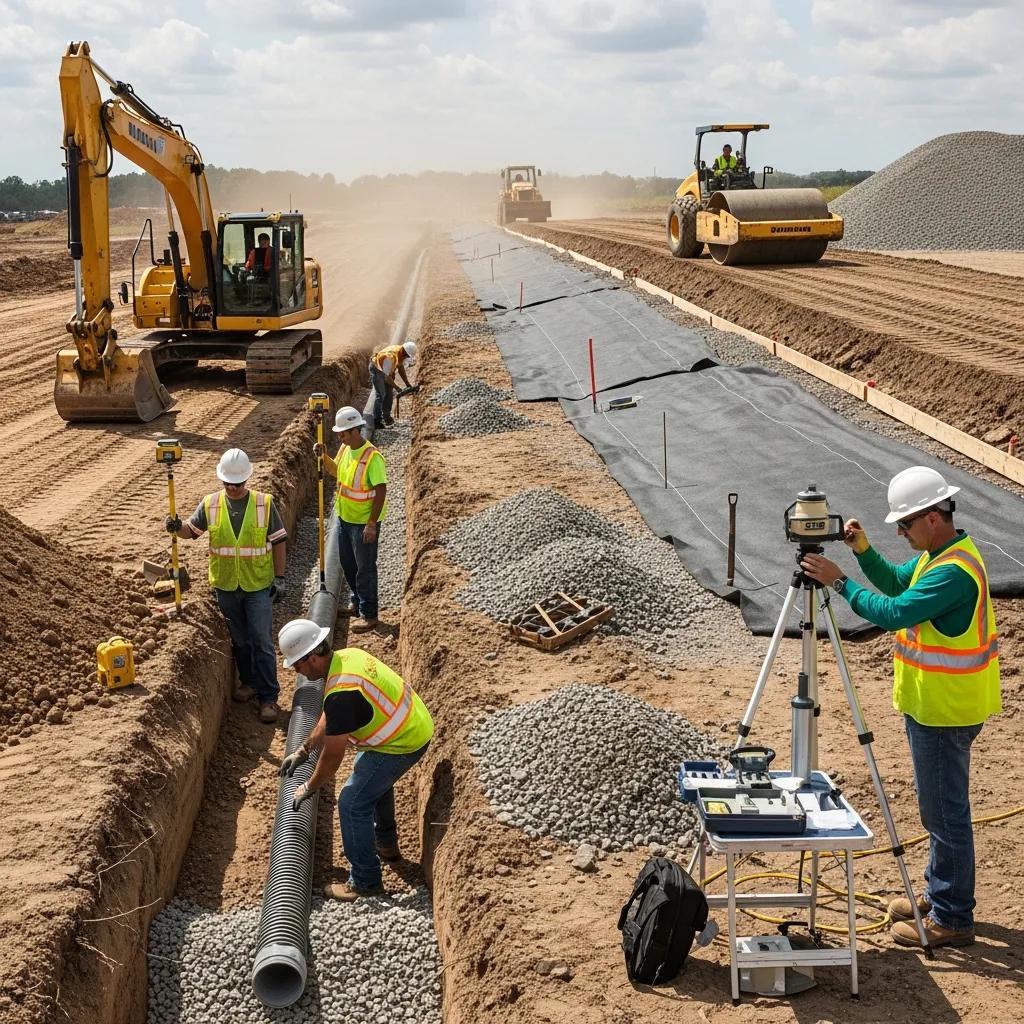
Soil stabilization and grouting are methods of soil improvement. Soil improvement is a combination of physical and chemical methods for regional or mass densification, reinforcement, cementation, and control of drainage and volume stability of soil when it is used as a construction material.
Soil stabilization and grouting, S Pamukcu, 1991
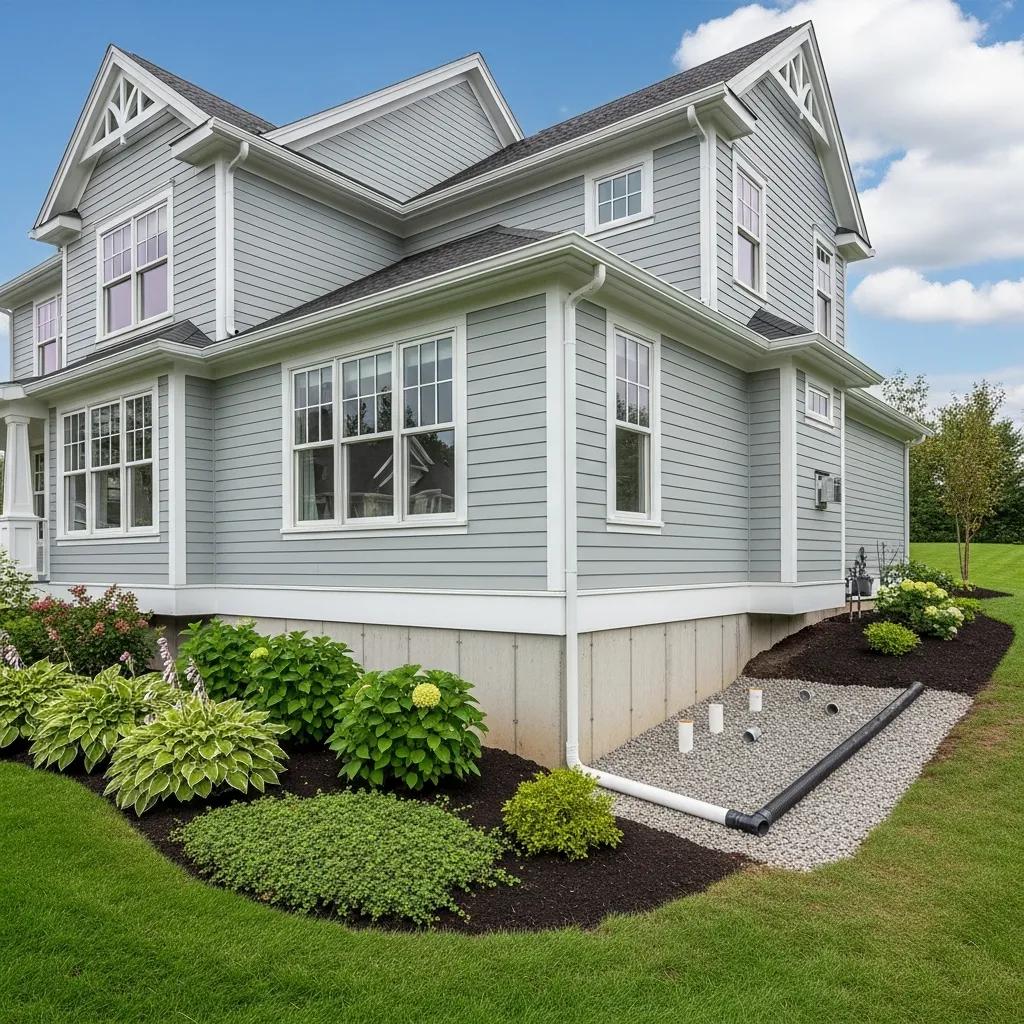
- Proper Grading: Ensuring that the land slopes away from the foundation helps direct water away, reducing the risk of erosion and water pooling.
- Effective Drainage Systems: Installing drainage systems, such as French drains, can help manage excess water and prevent soil saturation, which can lead to foundation settlement.
- Soil Testing: Regular soil testing allows homeowners to understand the soil composition and make informed decisions about stabilization methods.
| Stabilization Technique | Description | Benefits |
|---|---|---|
| Grading | Adjusting the slope of the land | Prevents water pooling |
| Drainage Systems | Installing systems to manage water | Reduces soil saturation |
| Soil Testing | Analyzing soil composition | Informs stabilization methods |
Foundation Damage Prevention: Soil Stabilization and Inspections
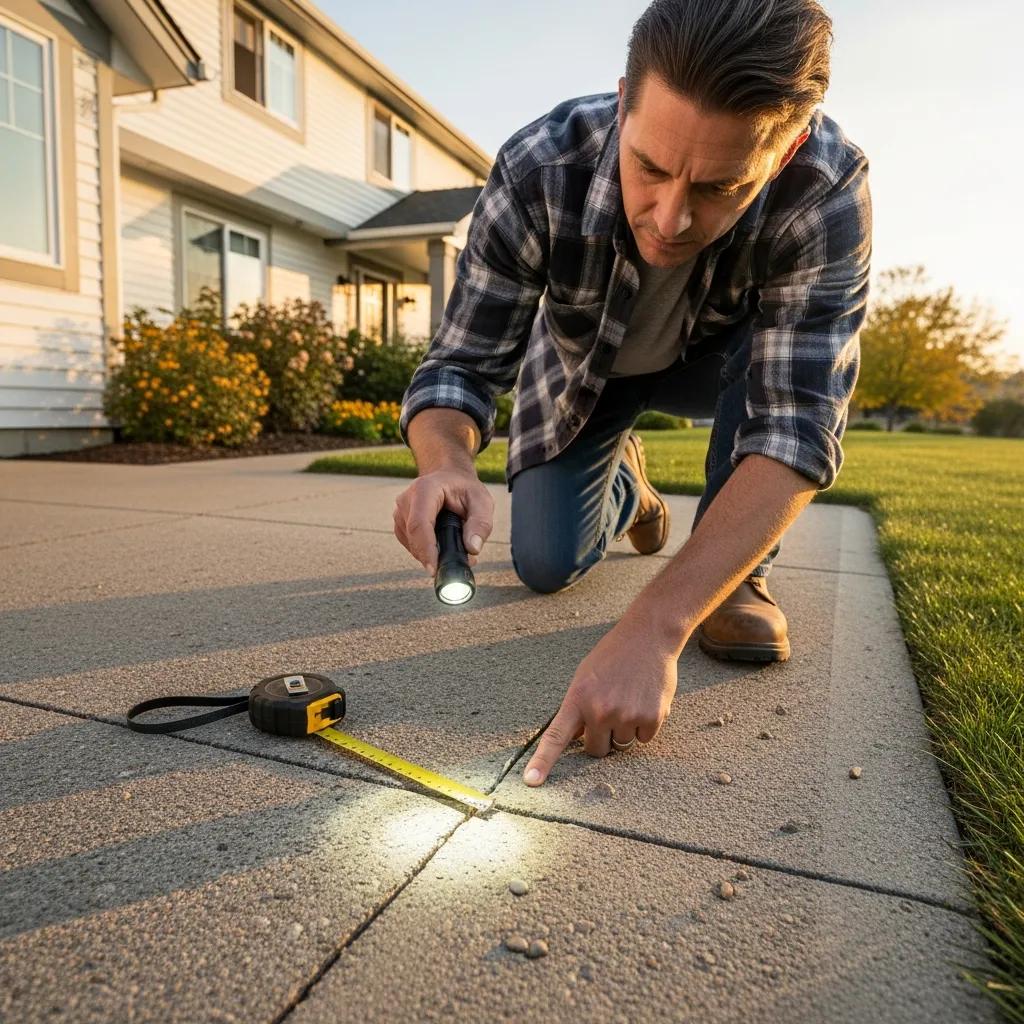
- Regular Professional Inspections: Engaging a foundation specialist for periodic inspections can help detect early signs of damage and recommend necessary repairs.
- DIY Checks for Homeowners: Homeowners can perform simple checks, such as looking for cracks in walls or uneven floors, to identify potential issues.
- Signs of Foundation Distress: Key indicators include doors and windows that stick, cracks in the foundation, and water pooling around the home.
How Should Homeowners Conduct a Thorough Foundation Inspection?
- Preparation Steps: Clear the area around the foundation of debris and vegetation to allow for a clear view.
- Visual Inspection Techniques: Look for visible cracks, signs of moisture, and any shifts in the foundation.
- Frequency of Inspections: Schedule inspections at least once a year or after significant weather events.
What Are the Key Signs of Foundation Damage to Identify?
- Cracks in Walls: Vertical or horizontal cracks can indicate shifting foundations.
- Uneven Floors: Sloping or uneven floors may suggest foundation settlement.
- Water Pooling: Accumulation of water near the foundation can lead to erosion and damage.
Best Practices for Maintaining Structural Integrity
- Control Water Drainage: Ensure that gutters and downspouts direct water away from the foundation.
- Avoid Excessive Landscaping: Heavy landscaping can add unnecessary weight and moisture to the soil around the foundation.
- Address Plumbing Leaks Promptly: Leaks can saturate the soil, leading to instability.
Seasonal Maintenance Tips
- Winter Snow Clearance: Remove snow buildup from around the foundation to prevent melting water from pooling.
- Spring Water Pooling Checks: After heavy rains, inspect for water pooling and address drainage issues promptly.
What Are the Primary Causes of Foundation Damage in Southeastern Wisconsin?
Mitigating Foundation Damage from Freeze-Thaw Cycles with Soil Stabilization
Freezing-thawing cycles in soils reduce considerably the foundation capacity of buildings and infrastructure. In recent years, development of nontraditional stabilizers has created hundreds of new products for soil stabilization. The use of lignin-based biofuel co-products (BCPs) to stabilize pavement subgrade soil is an innovative idea and satisfies the needs of sustainable development in construction. A series of laboratory tests, including unconsolidated undrained direct shear test, freeze-thaw durability test, and scanning electron microscope tests, was conducted to evaluate the effect of BCP addition on shear strength performance for four different soils encountered in Iowa. The results of this study indicate that BCPs are beneficial in the soil stabilization of low-quality materials for use in road construction.
Evaluation of freezing-thawing cycles for foundation soil stabilization, AU Uzer, 2016
- Freeze-Thaw Cycles: The region's cold winters can cause soil to expand and contract, leading to foundation movement.
- Heavy Rainfall Effects: Excessive rainfall can saturate the soil, increasing pressure on foundations.
- Drought Conditions: Conversely, dry spells can cause soil shrinkage, leading to settlement.
How Does Soil Movement Affect Foundation Stability?
What Role Does Moisture Variation Play in Foundation Cracks?
Which Soil Stabilization Techniques Effectively Prevent Foundation Settlement?
Preventing Foundation Damage with Soil Stabilization Additives
Clayey soils are usually stiff when they are dry and give up their stiffness as they become saturated. Soft clays are associated with low compressive strength and excessive settlement. This reduction in strength due to moisture leads to severe damages to buildings and foundations. One of the methods for soil improvement is that the problematic soil is replaced by suitable soil. The high cost involved in this method has led researchers to identify alternative methods, and soil stabilization with different additives is one of those methods. Adding cementing agents such as lime, cement and industrial byproducts like fly ash and slag, with soil results in improved geotechnical properties.
Fundamentals of soil stabilization, AA Firoozi, 2017
- Soil Testing Importance: Understanding soil composition helps in selecting appropriate stabilization methods.
- Drainage Solutions: Implementing effective drainage systems can prevent soil saturation.
- Regular Inspections: Conducting regular inspections allows for early detection of potential issues.
What Are the Best Soil Erosion Control Methods for Homeowners?
- Proper Drainage Systems: Installing systems to manage water flow can prevent erosion.
- Yard Grading: Adjusting the slope of the yard can direct water away from the foundation.
- Landscaping Adjustments: Using plants and mulch can help stabilize soil and reduce erosion.
How Does Foundation Underpinning Contribute to Soil Stabilization?
When Is the Optimal Time to Schedule a Professional Foundation Inspection?
What Basement Waterproofing Solutions Support Foundation Damage Prevention?
- Exterior Drainage Systems: These systems direct water away from the foundation, reducing moisture levels.
- Interior Drainage Systems: Installing interior drainage can help manage water that enters the basement.
- Sump Pump Installation: A sump pump can remove excess water, preventing flooding and moisture buildup.
How Do Moisture Barriers Protect Against Soil-Related Foundation Issues?
Which Waterproofing Methods Are Recommended for Southeastern Wisconsin Homes?
- Exterior Waterproofing: This method involves applying a waterproof membrane to the outside of the foundation.
- Interior Drainage Systems: These systems help manage water that enters the basement.
- Sump Pump Installation: A sump pump is essential for removing excess water and preventing flooding.