Understanding Foundation Settling in Wisconsin
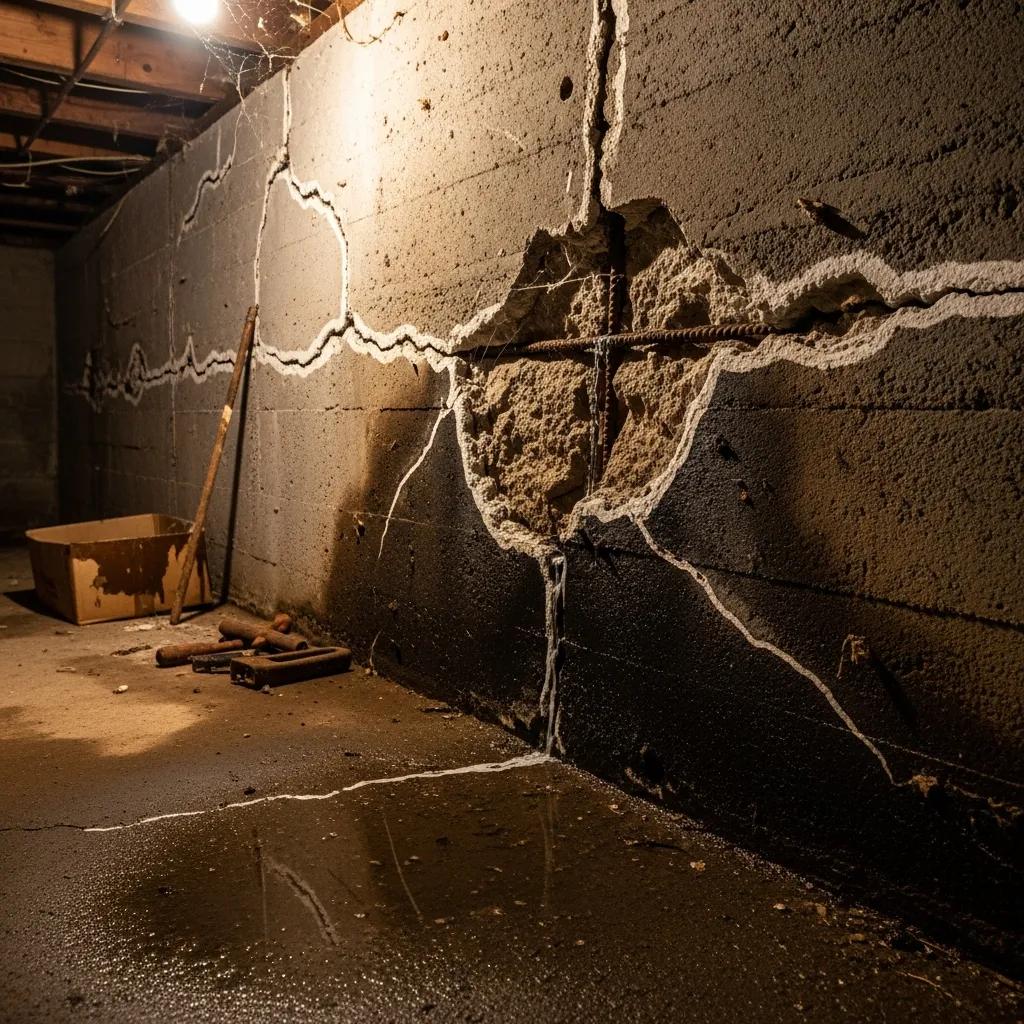
Foundation settling is a prevalent issue for Wisconsin homeowners, often stemming from the region's unique soil composition and fluctuating moisture levels. As the ground beneath your home expands and contracts with seasonal changes, it can cause the foundation to shift, leading to cracks, uneven floors, and other structural problems. Recognizing the signs of settling early is crucial for preventing more extensive and costly damage.
Common indicators of foundation settling include visible cracks in walls or the foundation itself, doors and windows that stick or are difficult to open, uneven or sloping floors, and separation of chimneys from the main house structure. In Wisconsin, the freeze-thaw cycles can significantly exacerbate settling issues as water infiltrates the soil, freezes, expands, and then thaws, creating voids and further destabilizing the ground.
The Role of Soil Types in Wisconsin Foundation Stability
Wisconsin's diverse soil types play a critical role in the stability of residential foundations. Many areas within the state are characterized by expansive clay soils, which are highly susceptible to changes in moisture content. When these soils become saturated, they expand, exerting upward pressure on the foundation; conversely, when they dry out, they shrink, leading to a loss of support and potential settling.
Understanding the specific soil conditions on your property is paramount for effective foundation repair and prevention. For instance, areas with high water tables or poor drainage are more prone to soil saturation and subsequent foundation issues. Geotechnical surveys can provide detailed information about soil composition and stability, guiding homeowners and contractors in selecting the most appropriate repair and mitigation strategies to ensure long-term structural integrity.
Basement Waterproofing Techniques for Wisconsin Homes
Protecting your basement from water intrusion is a vital aspect of foundation maintenance in Wisconsin, where heavy rainfall and snowmelt can lead to significant moisture problems. Basement waterproofing involves a range of methods designed to prevent water from entering the foundation walls and floor. These techniques can include applying waterproof coatings to the exterior or interior of the foundation, installing interior or exterior drainage systems, and sealing any existing cracks or openings.
Effective basement waterproofing not only prevents water damage and mold growth but also contributes to the overall structural health of the foundation. Common methods include the installation of sump pumps to remove accumulated water, French drains to redirect groundwater away from the foundation, and the application of specialized sealants and membranes. The choice of technique often depends on the specific source of water intrusion and the severity of the problem, with professional assessment being key to selecting the most effective solution.
Importance of Professional Foundation Inspection in Wisconsin
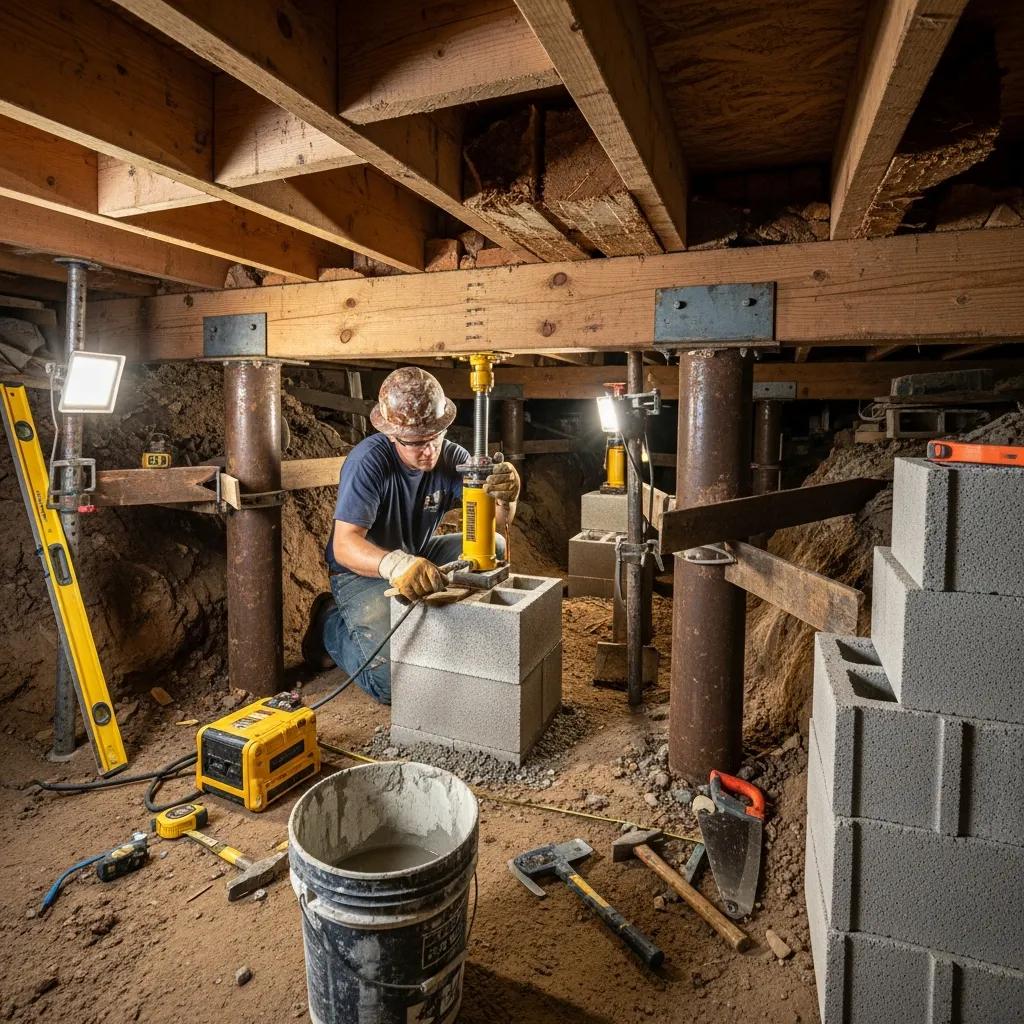
Given the unique environmental factors and common foundation issues prevalent in Wisconsin, a professional foundation inspection is an indispensable step for homeowners. These inspections are conducted by experienced professionals who can accurately diagnose the cause and extent of any foundation damage, from minor cracks to significant structural shifts. Their expertise allows for a precise understanding of the underlying problems, which is crucial for developing an effective and cost-efficient repair plan.
A thorough inspection goes beyond simply identifying visible damage; it involves assessing soil conditions, drainage patterns, and the overall structural integrity of the foundation and home. Professionals can identify potential future problems before they become severe, saving homeowners from more extensive repairs and potential safety hazards down the line. This proactive approach is particularly important in Wisconsin due to the impact of its climate on soil and foundations.